Pavé Engagement Rings
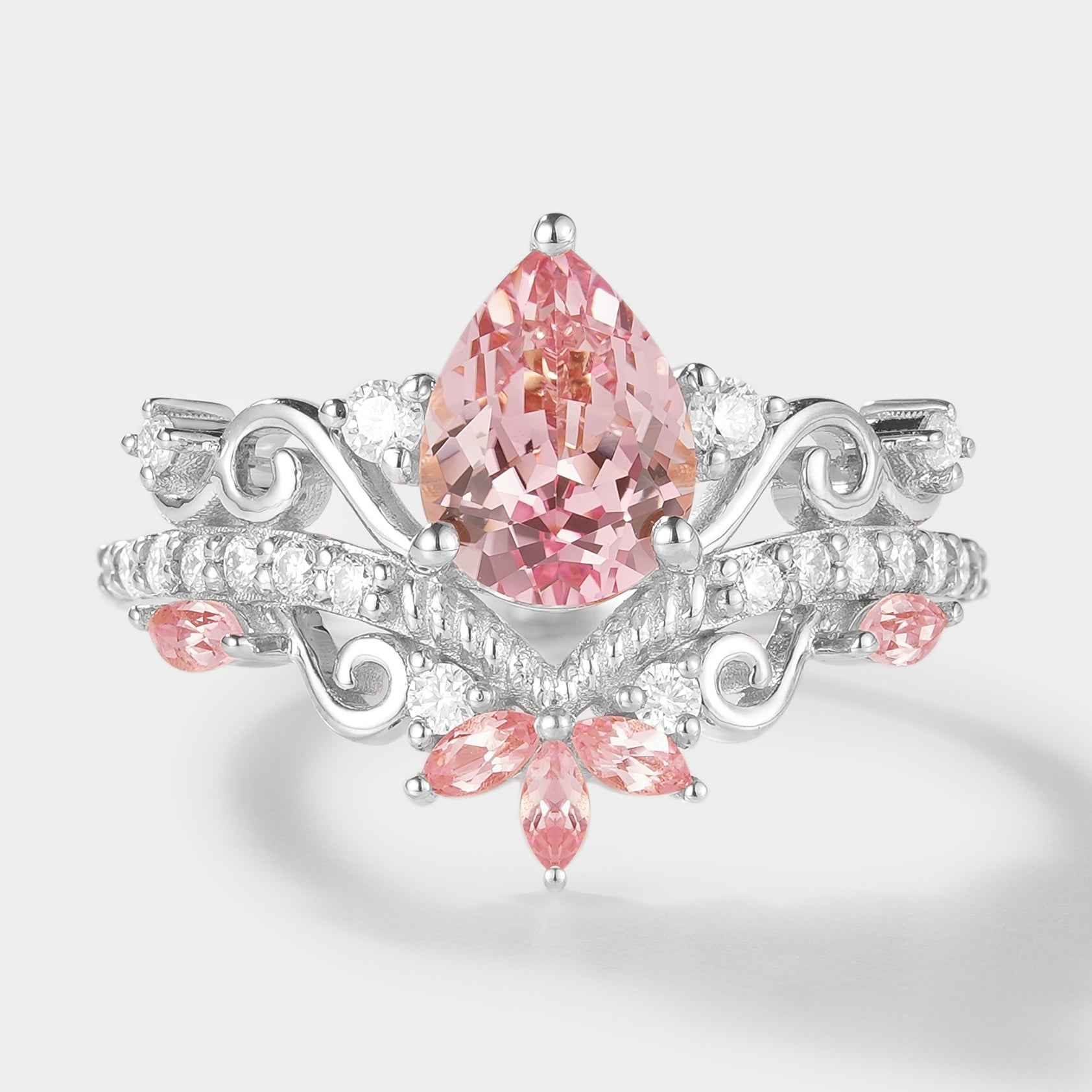
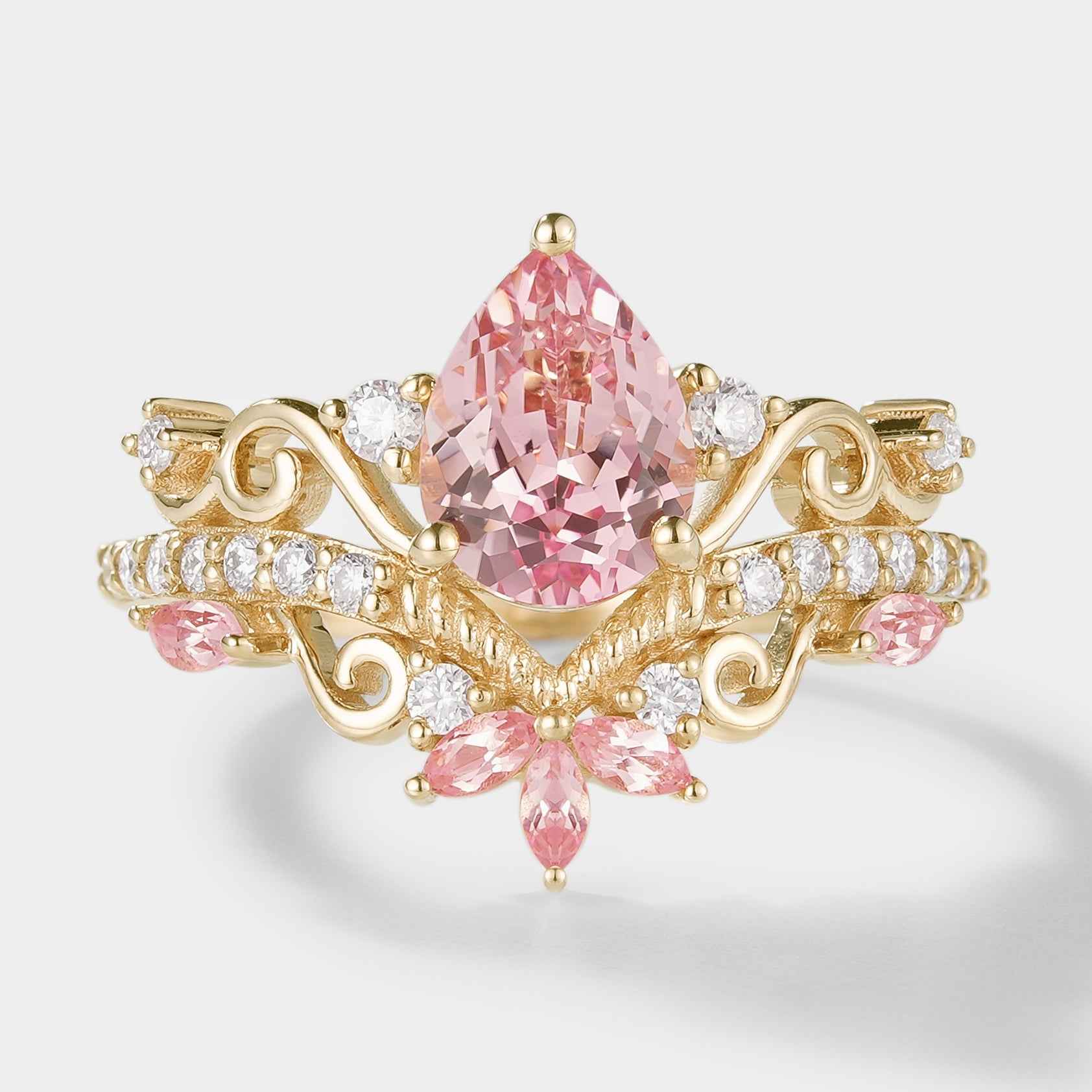
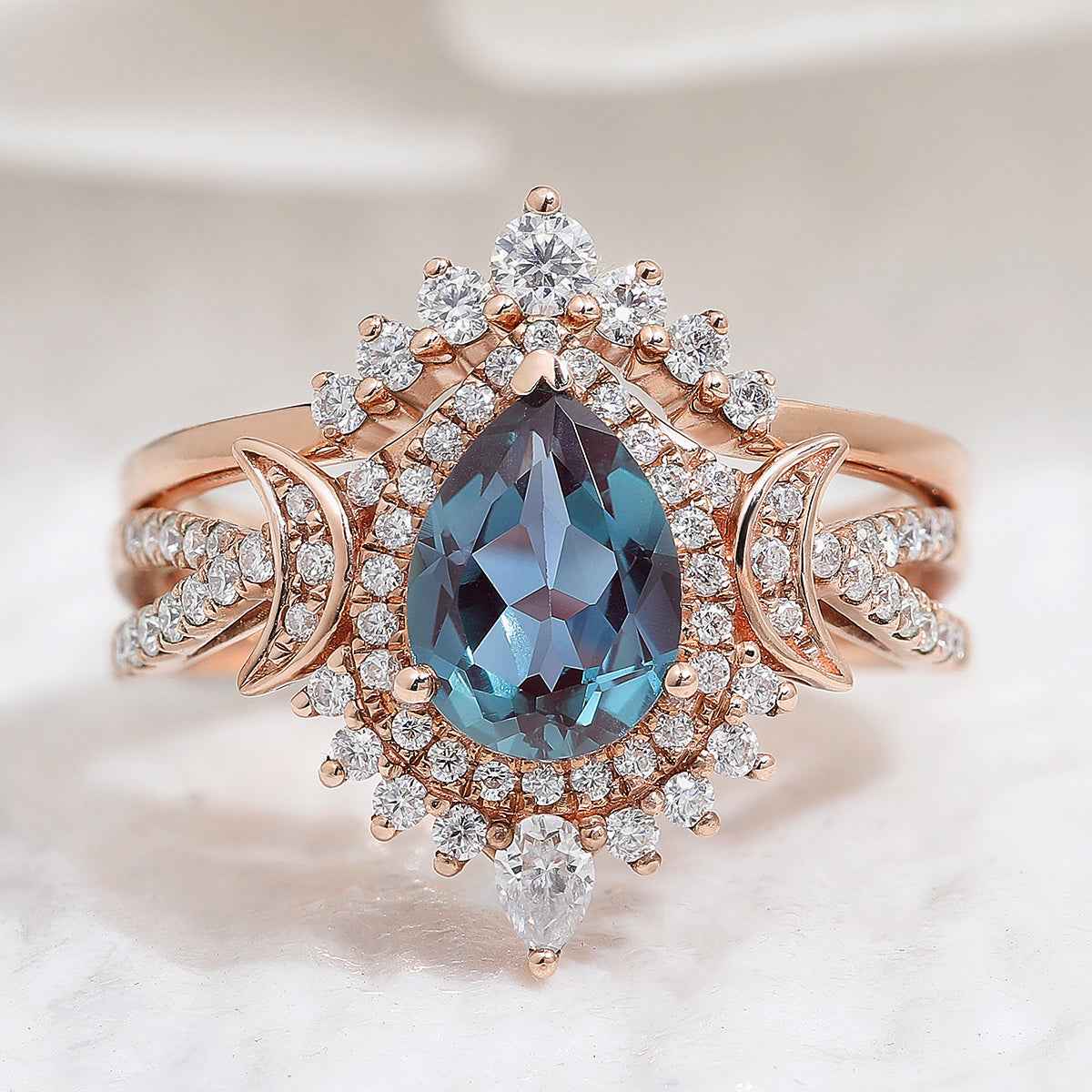
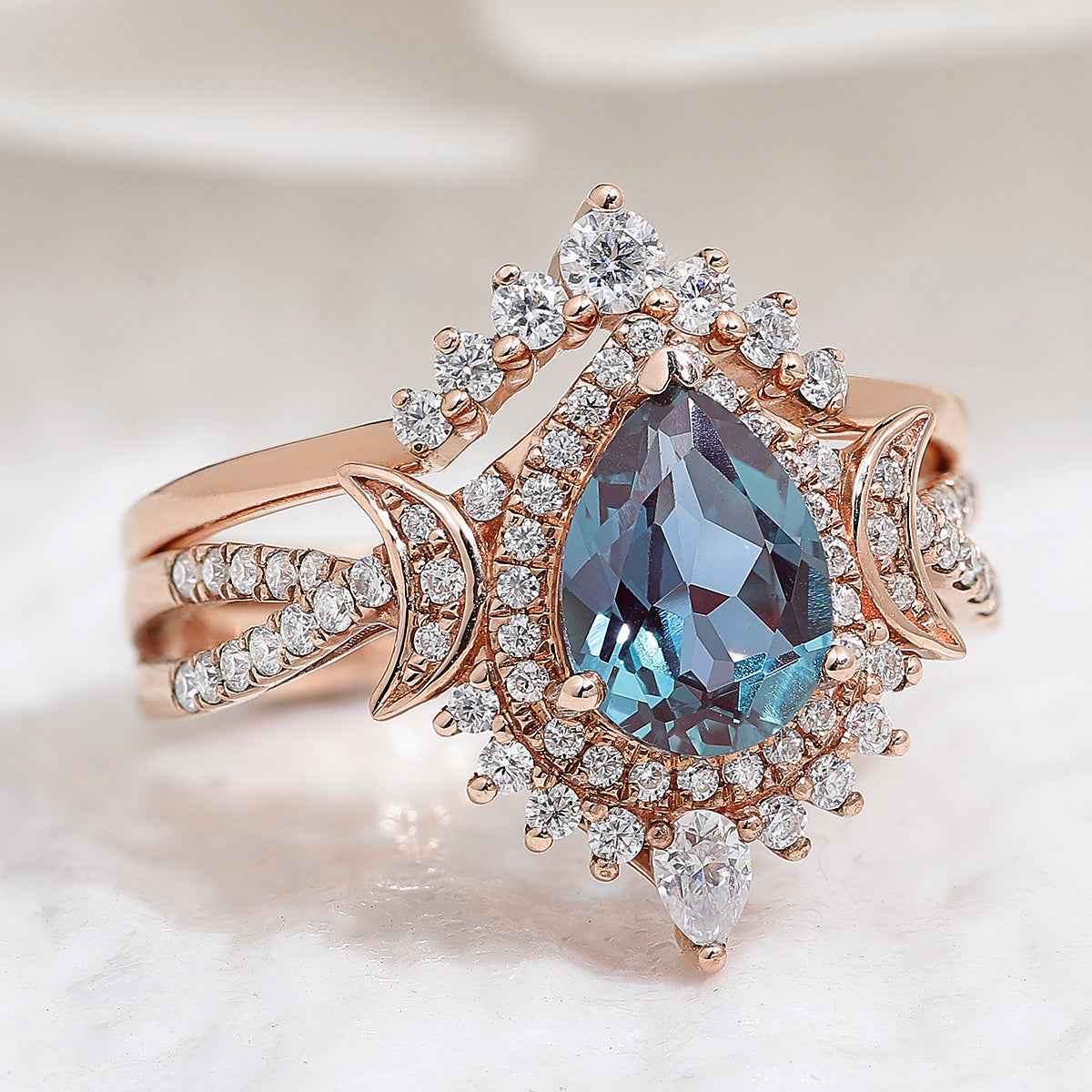
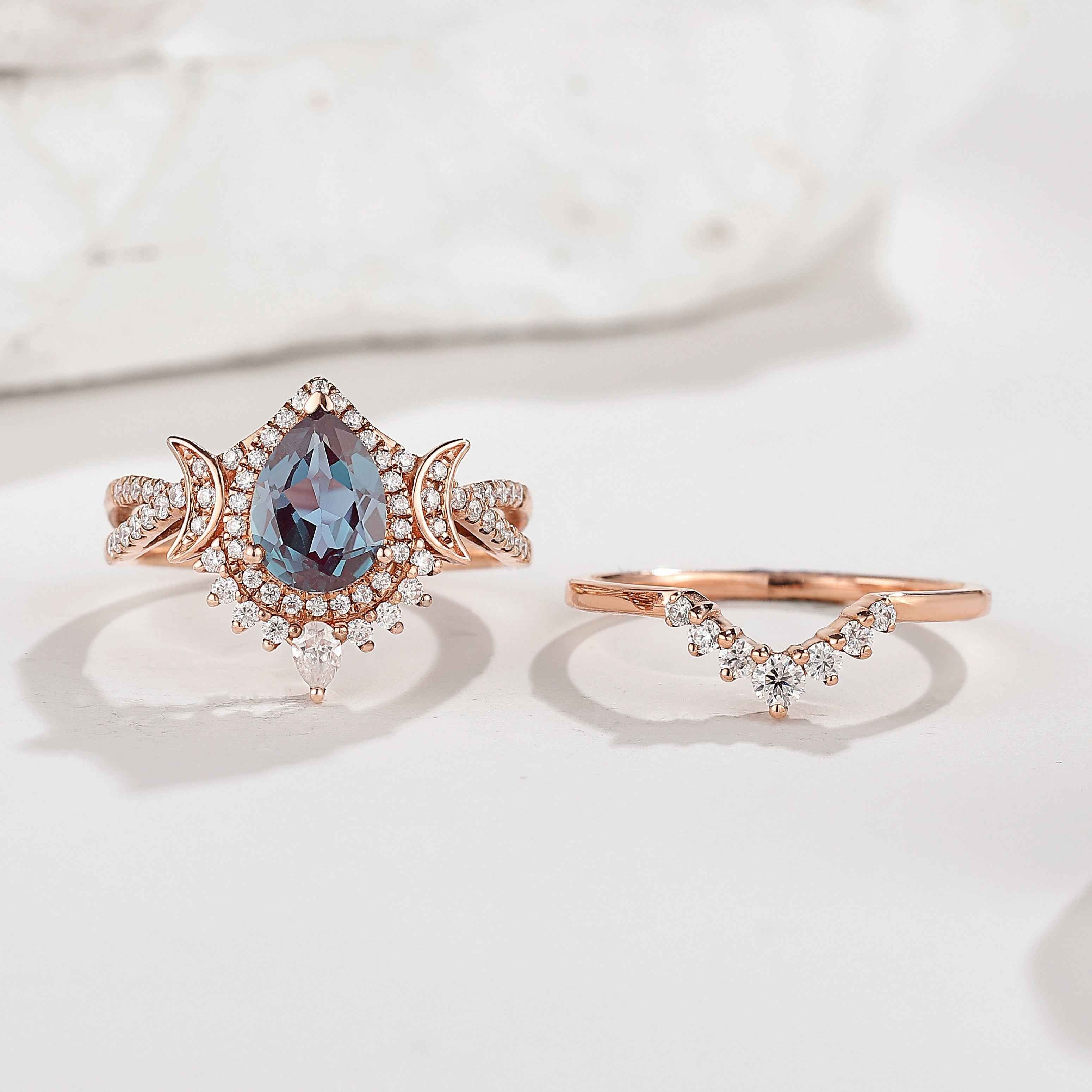
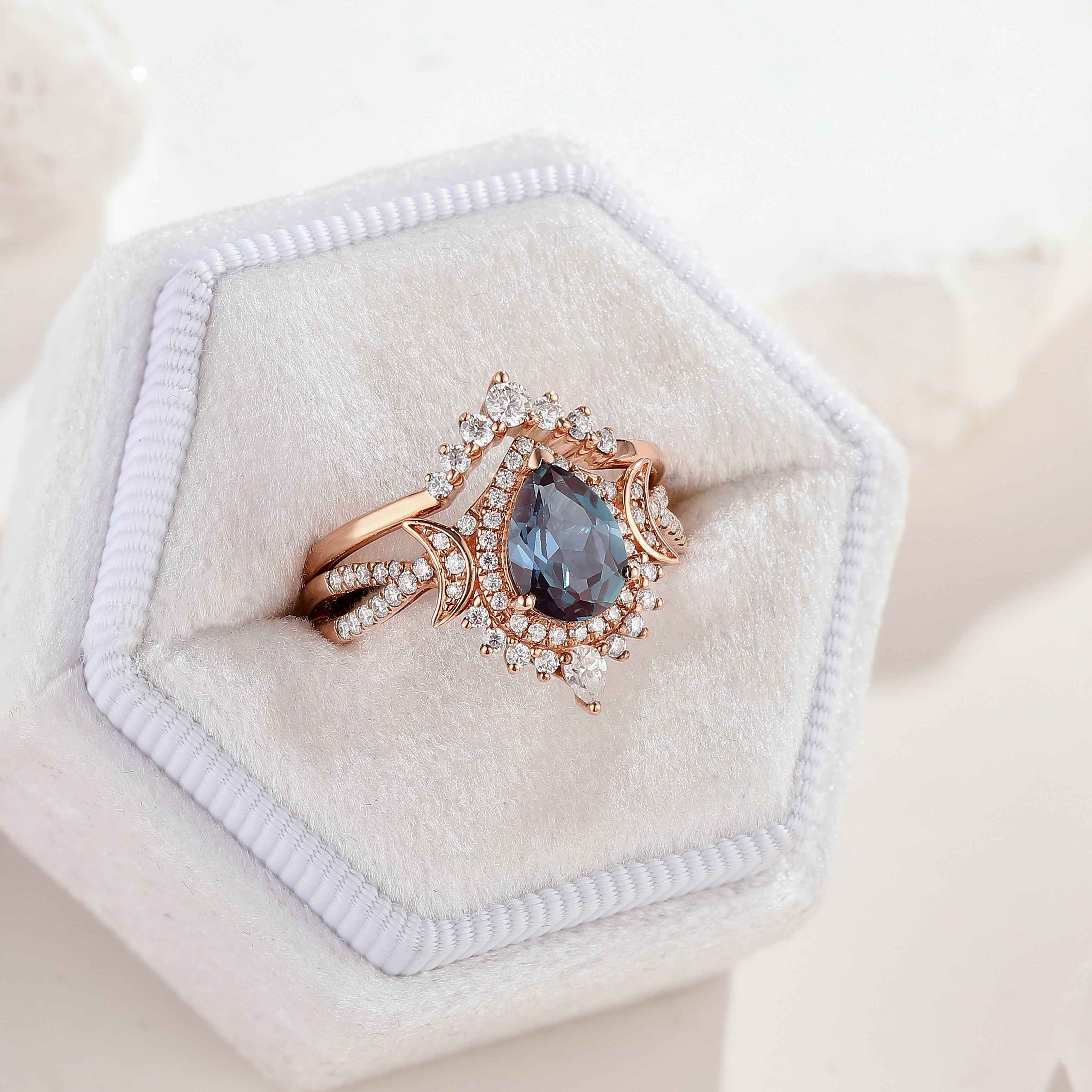
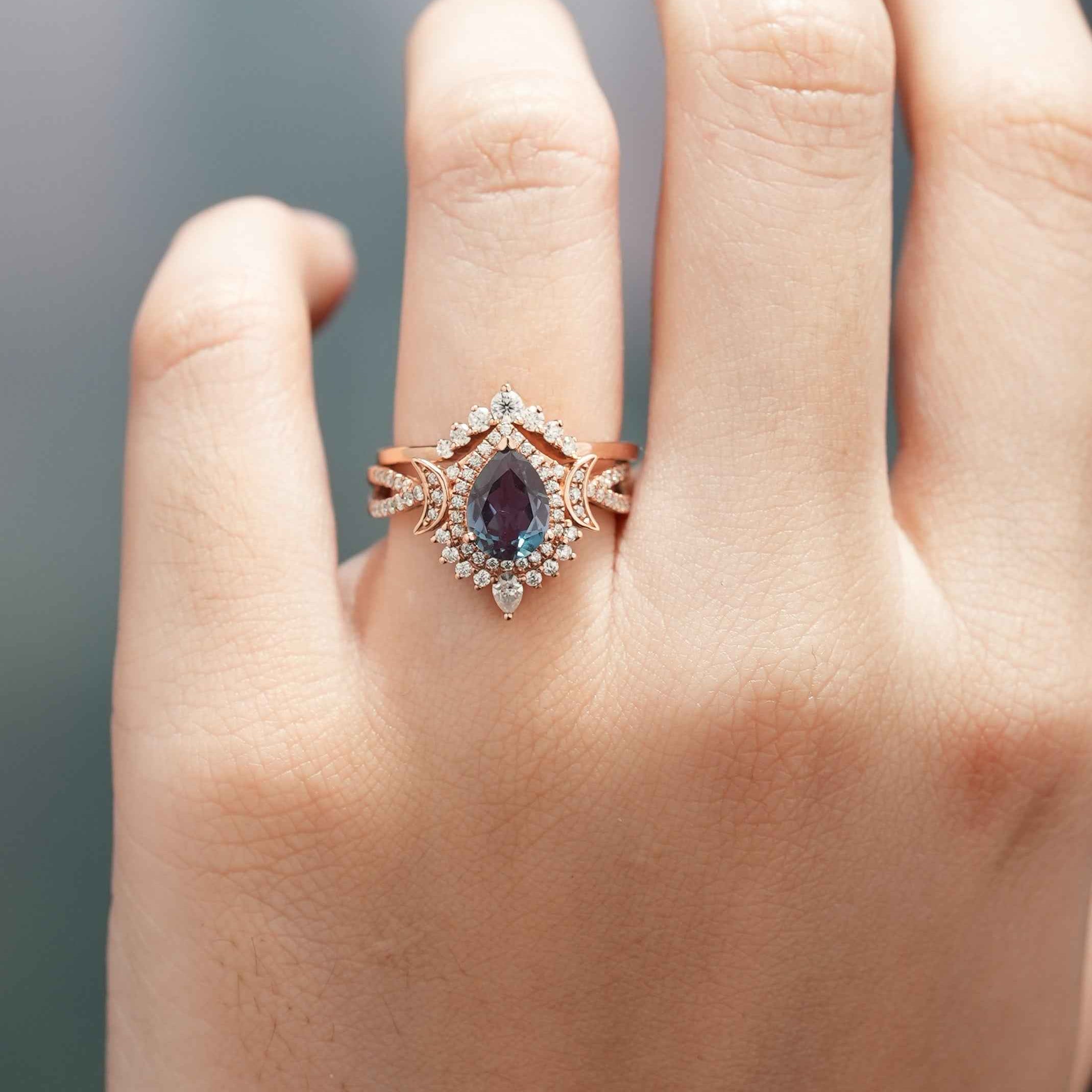
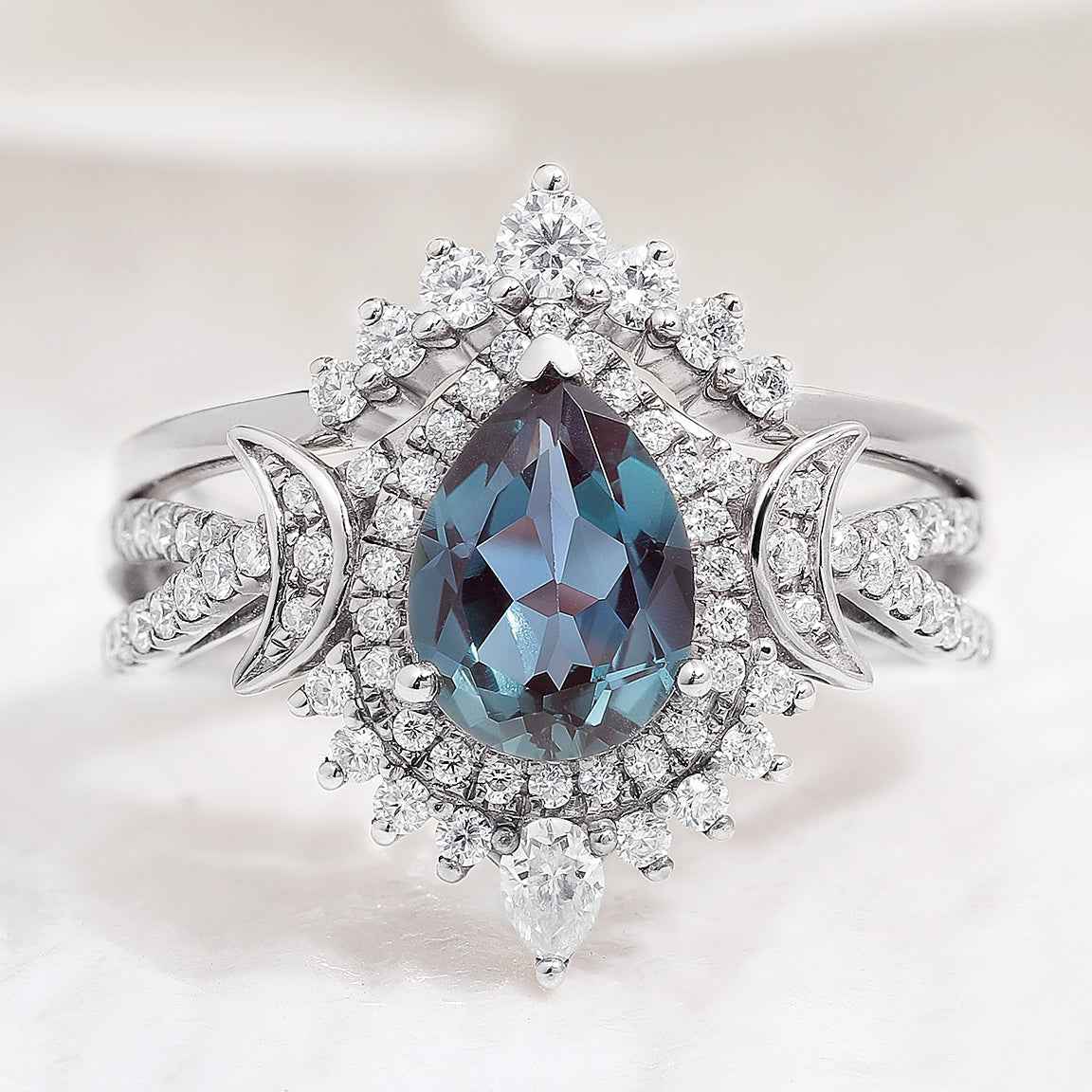
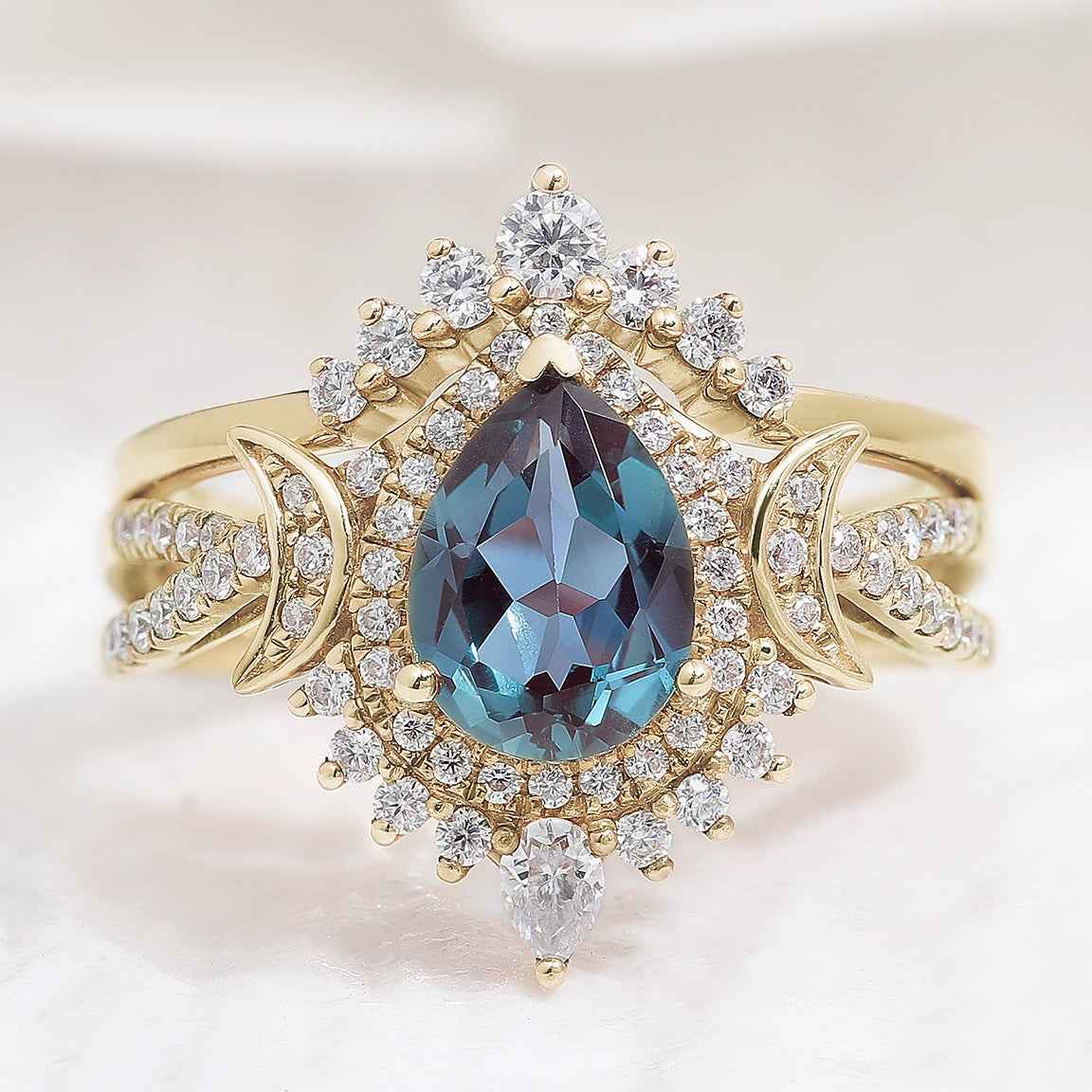
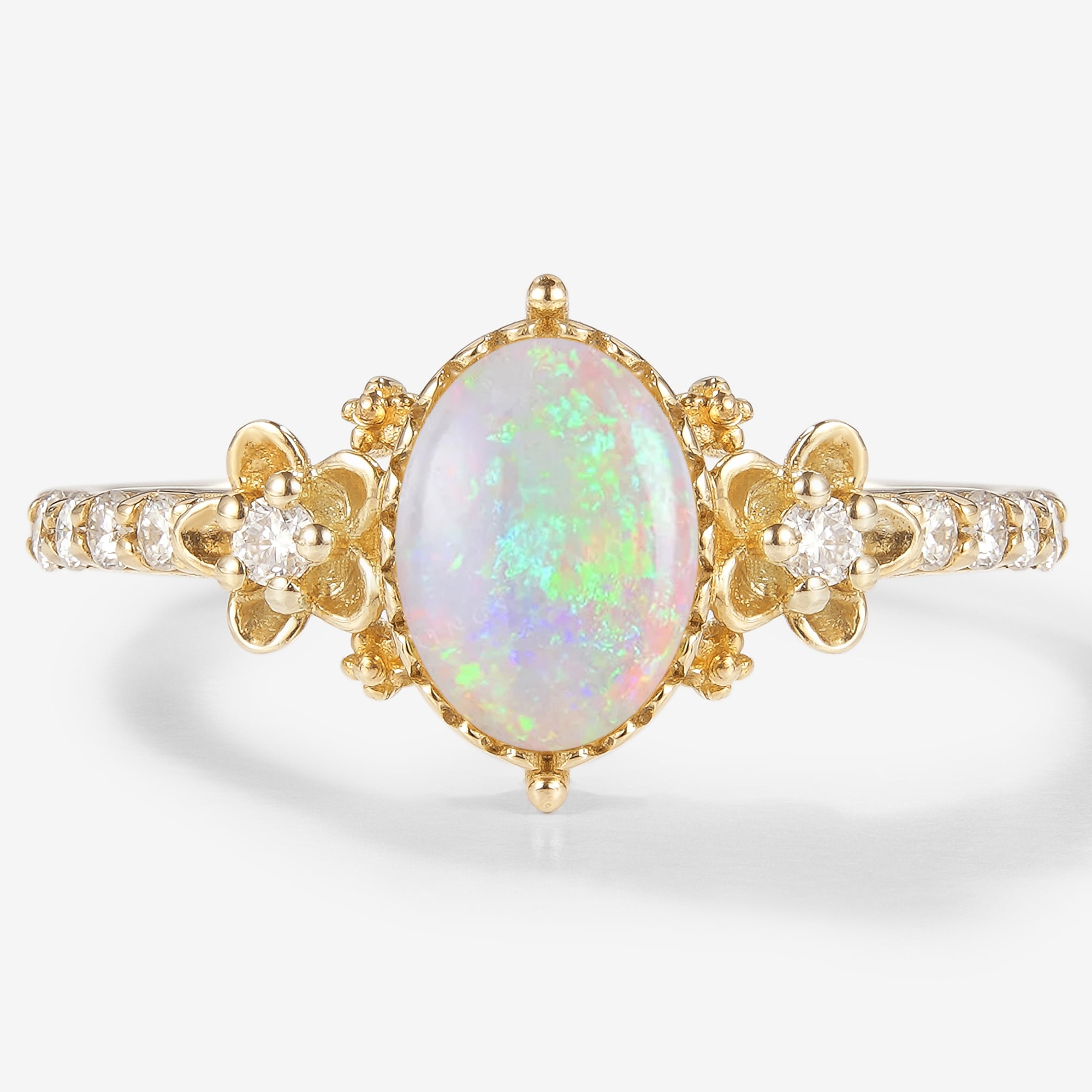
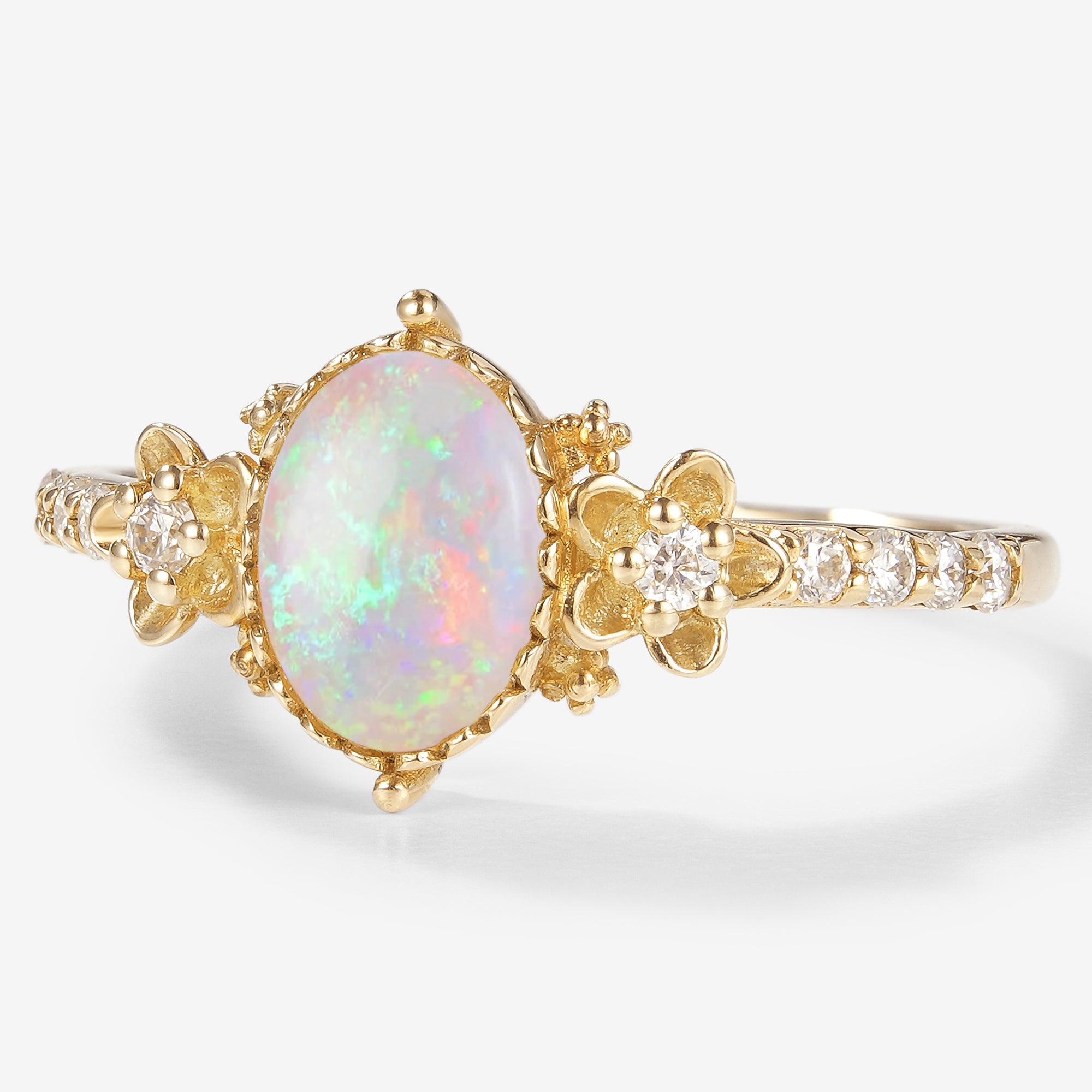
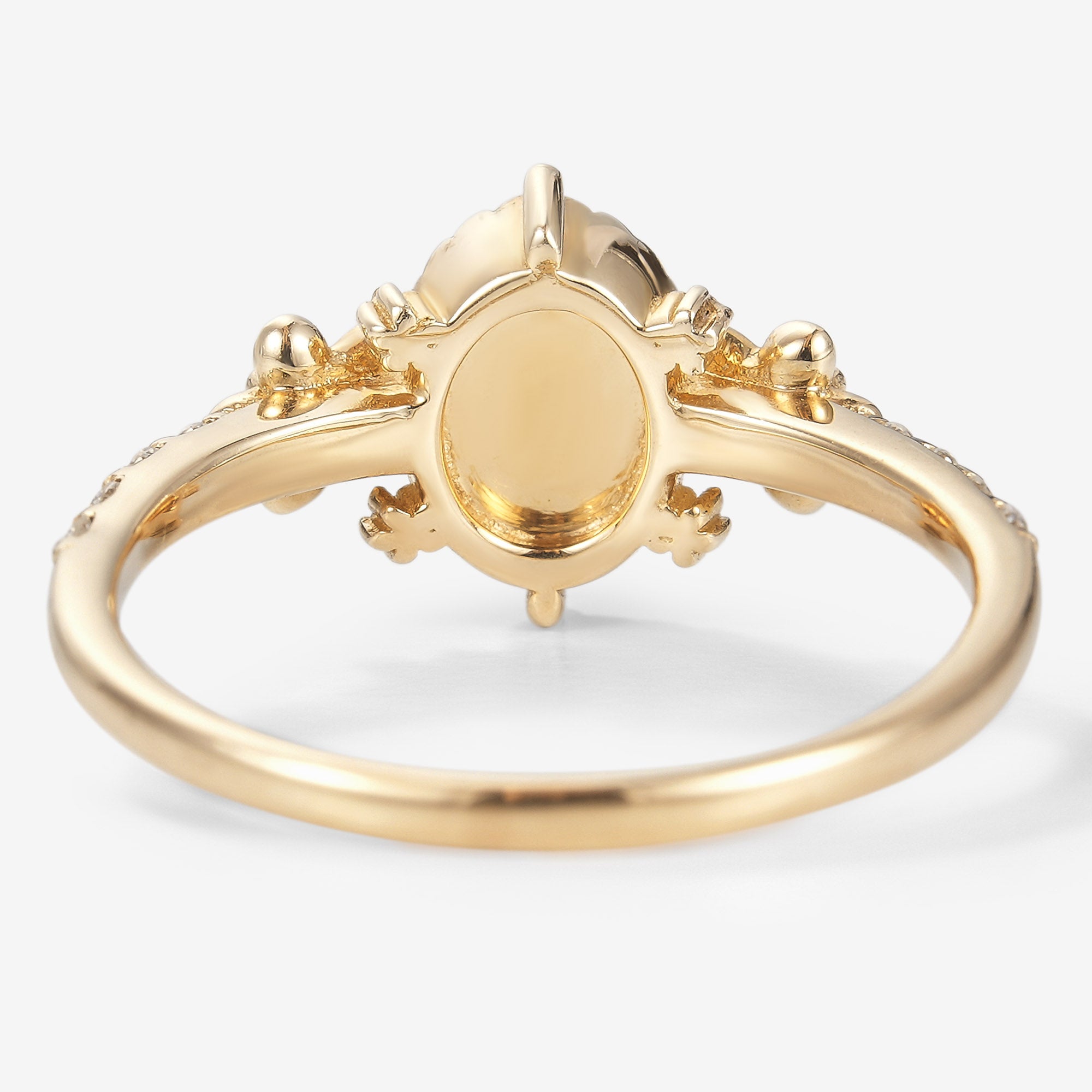
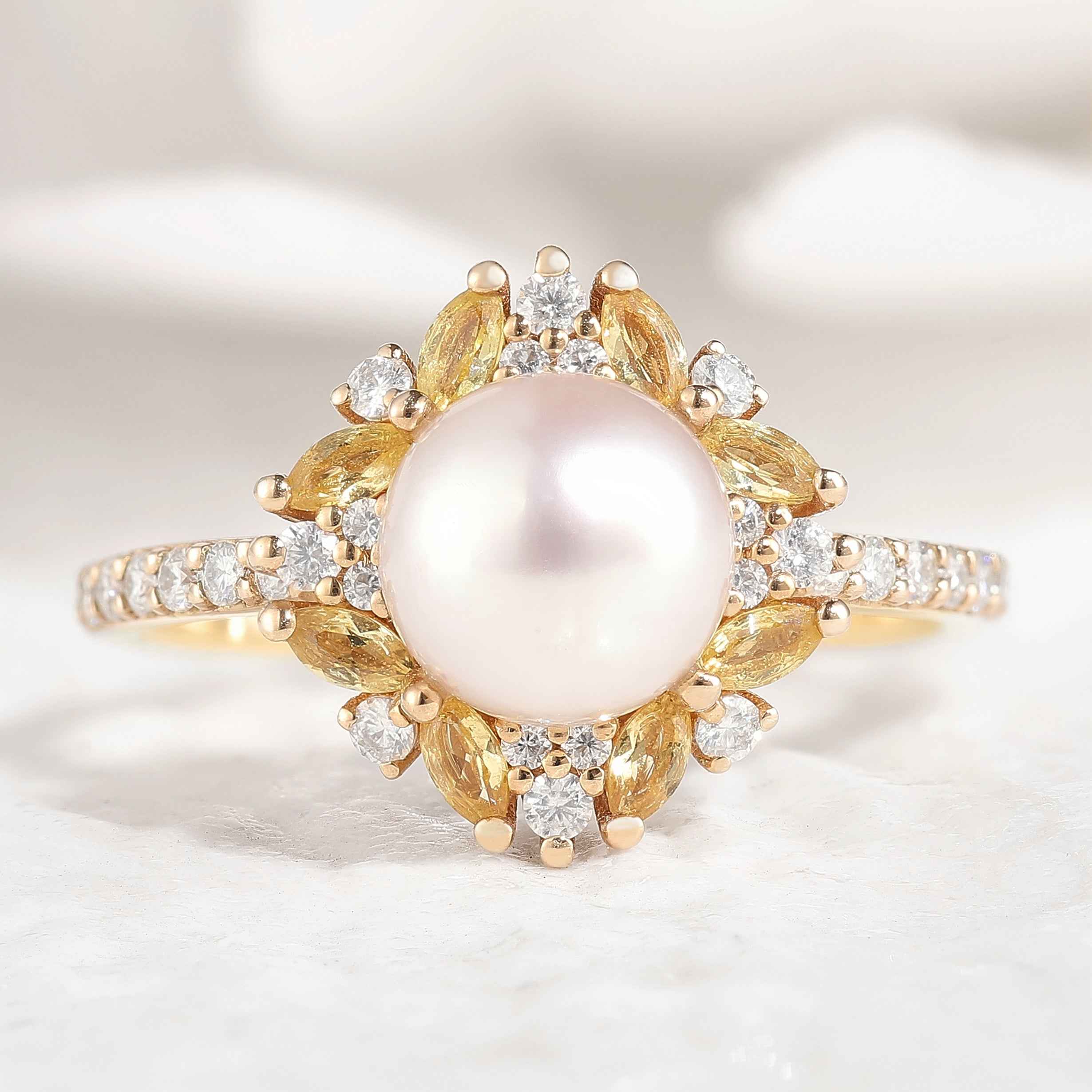
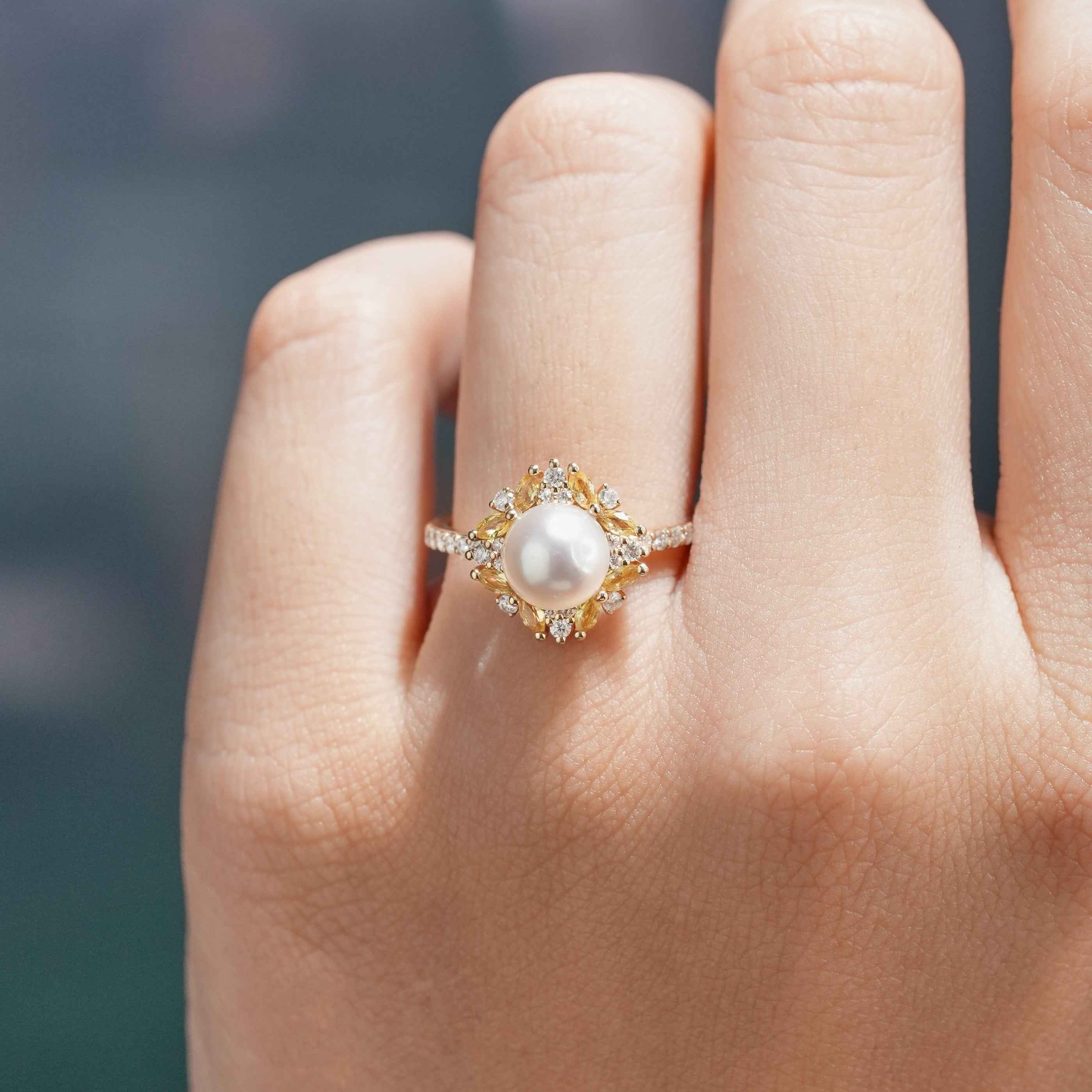
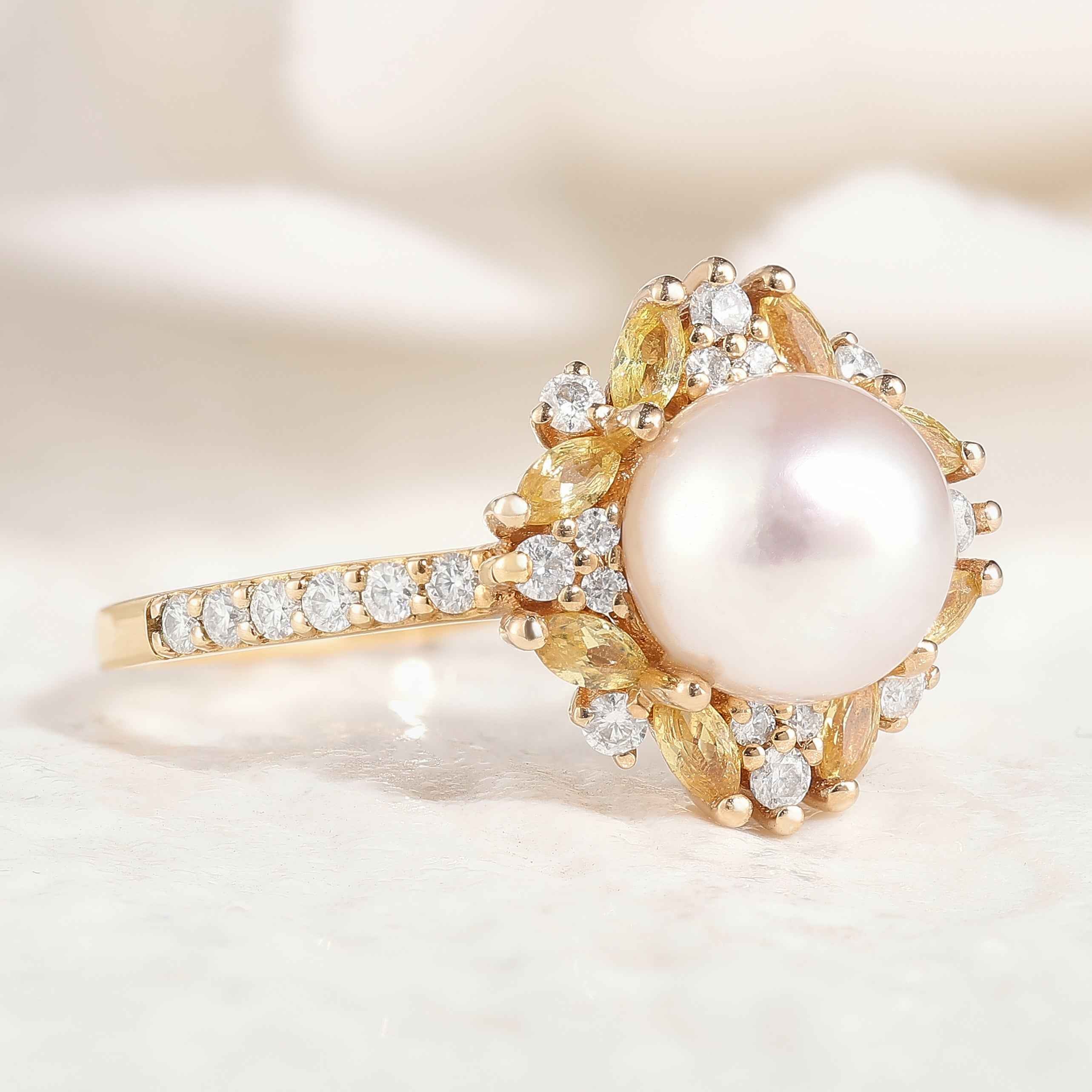
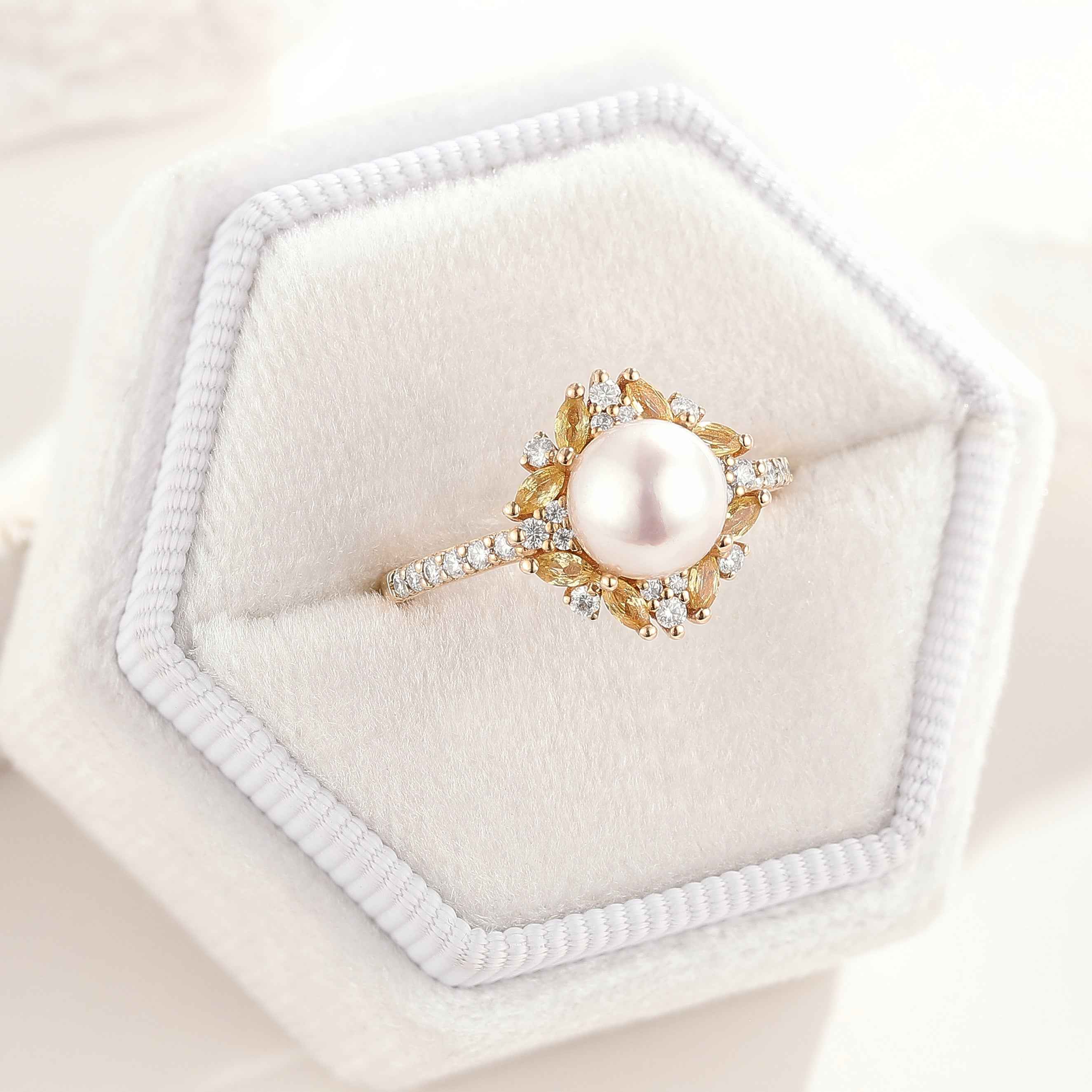
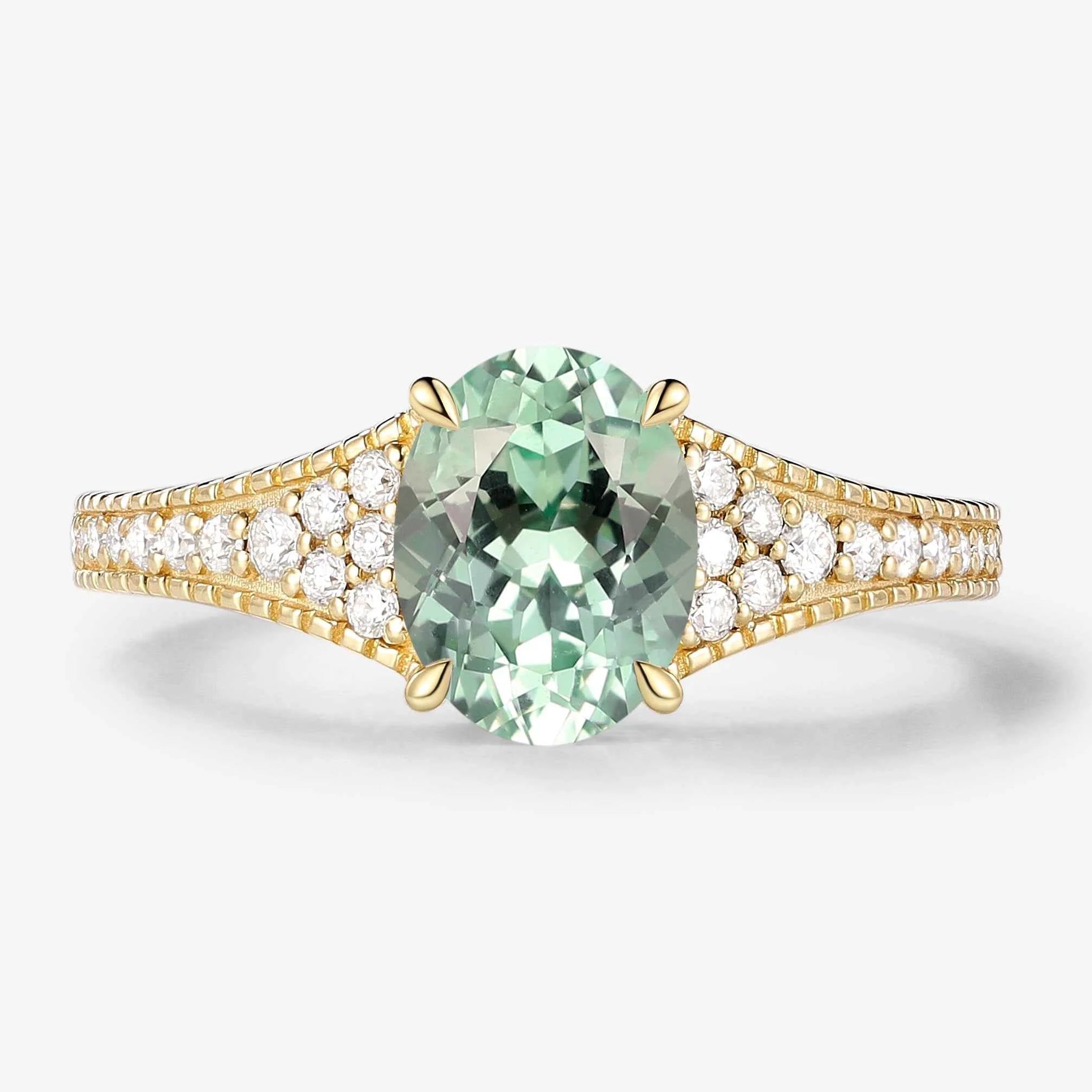
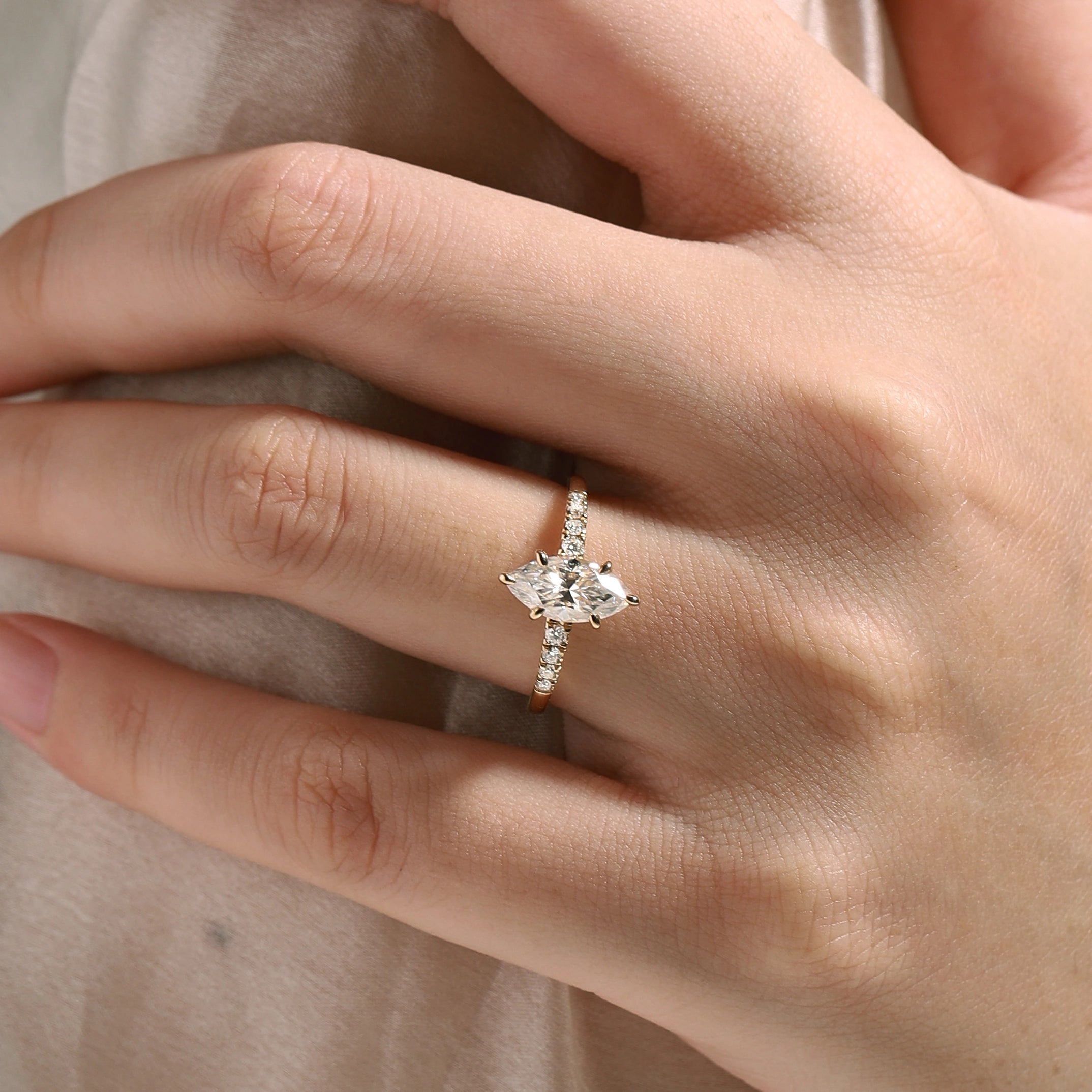

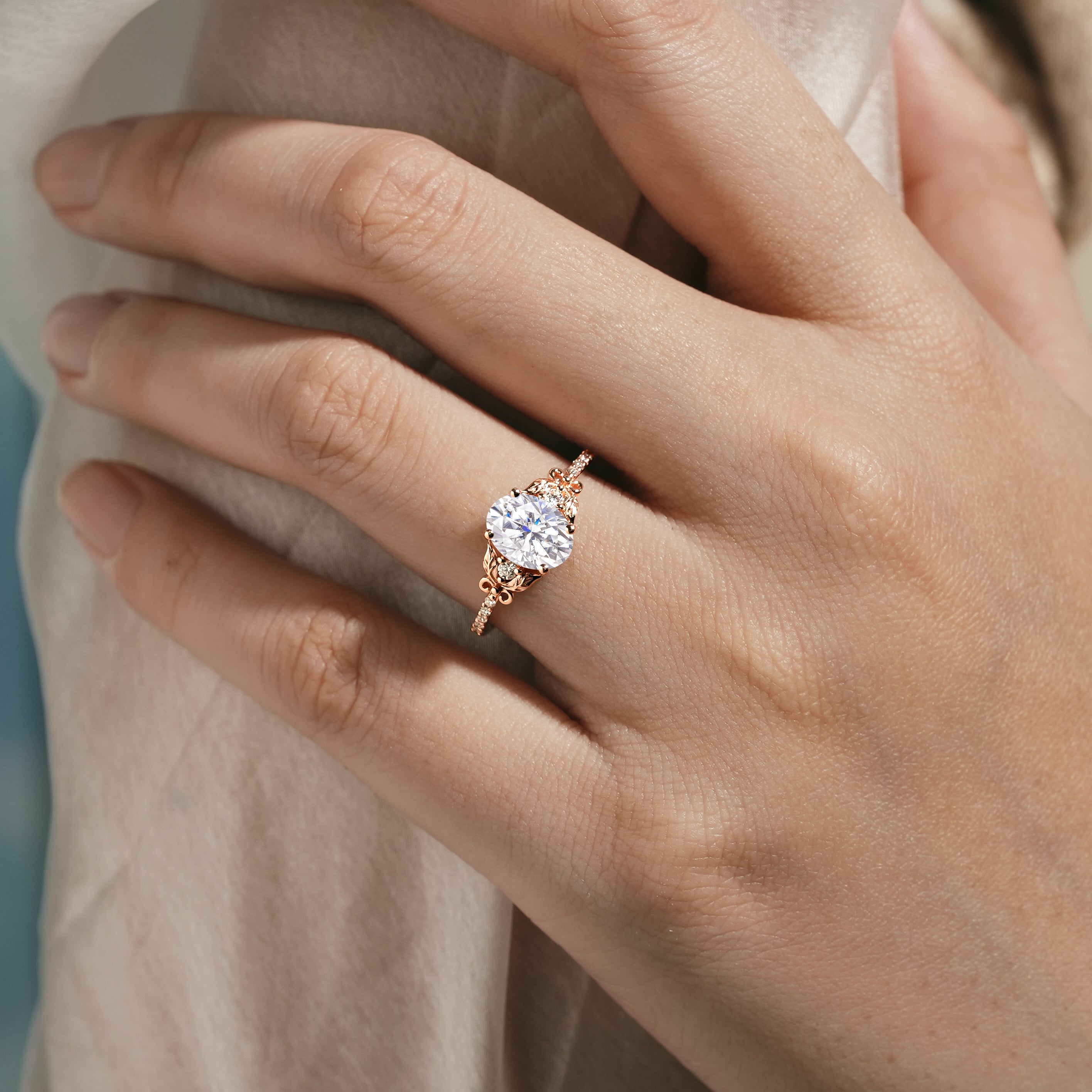
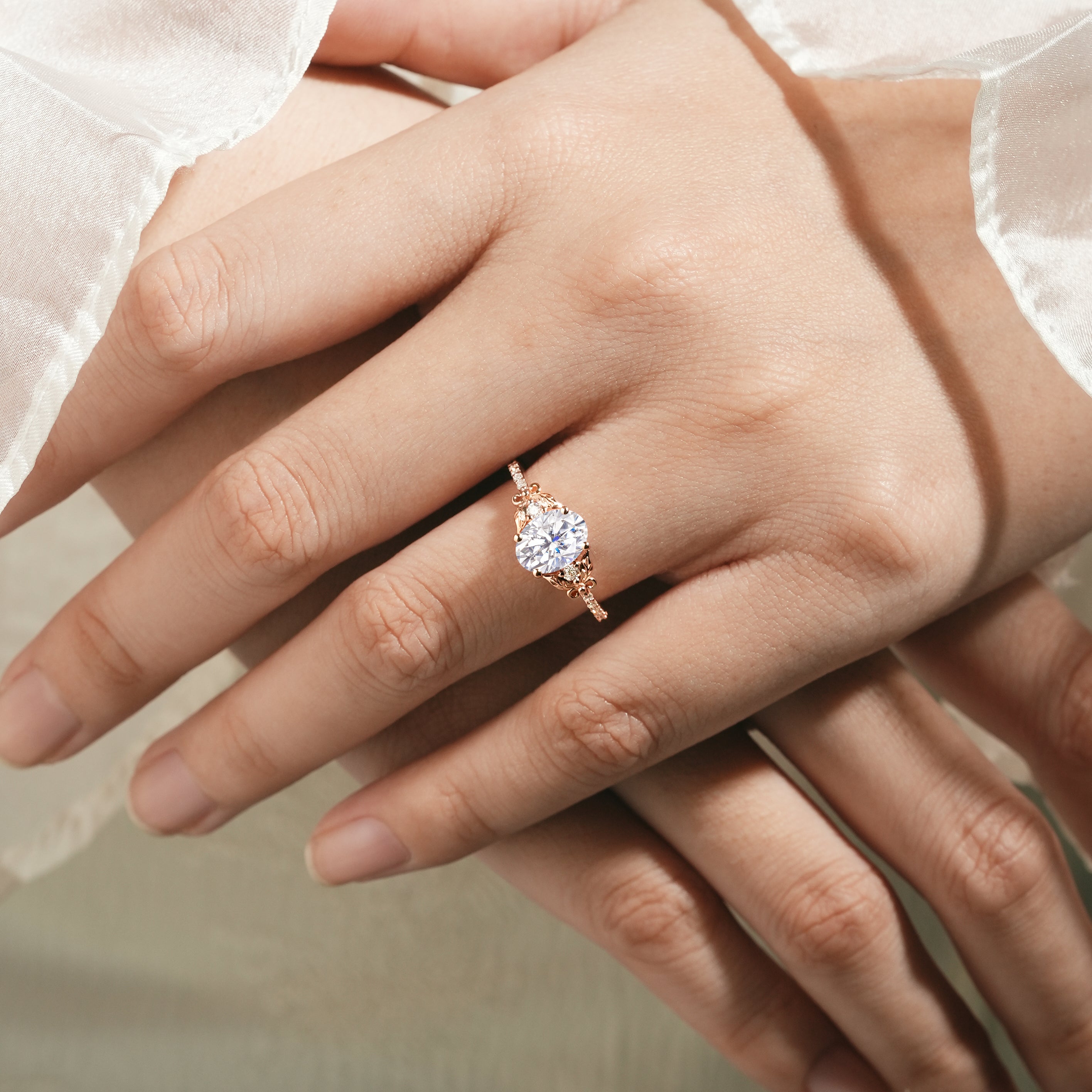
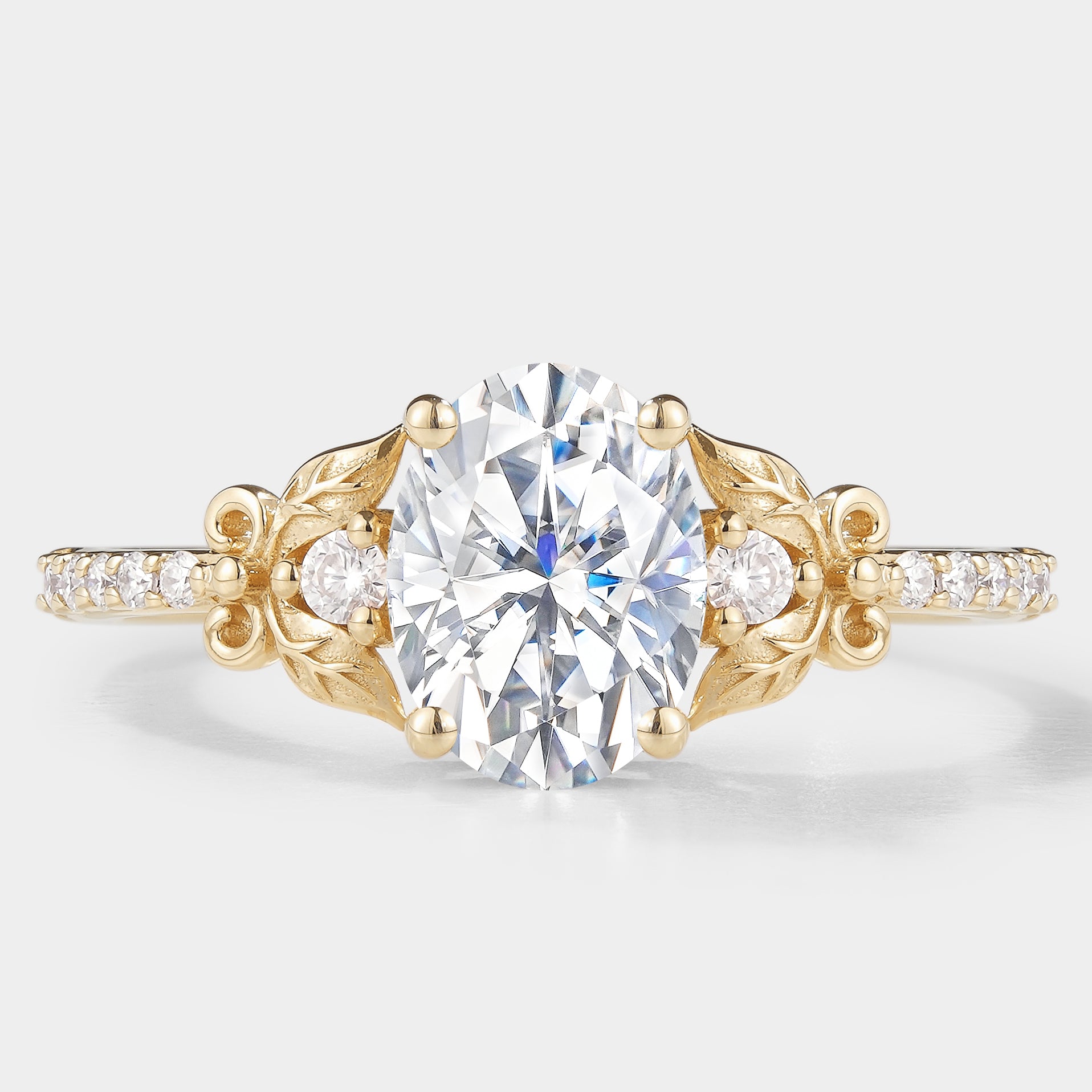
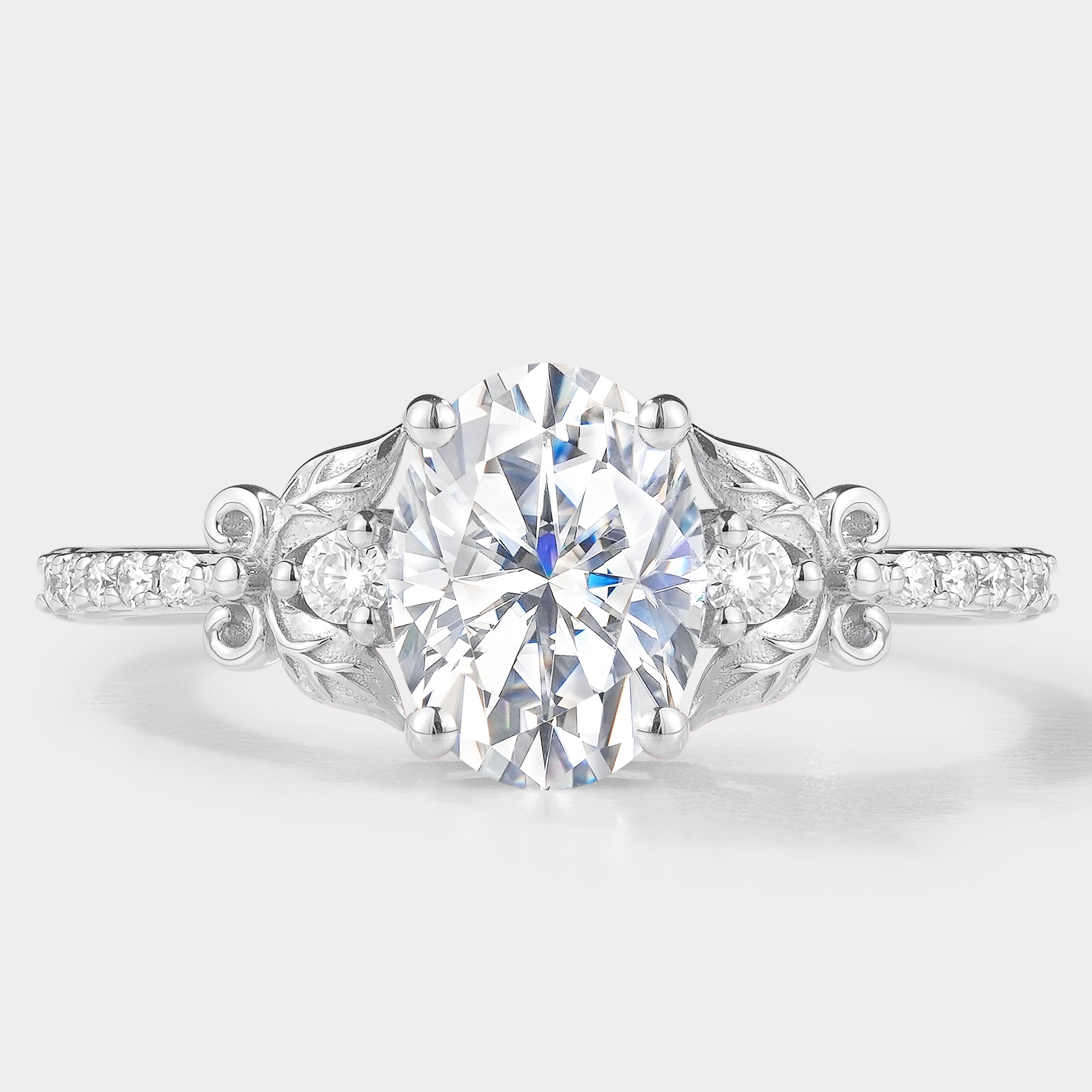
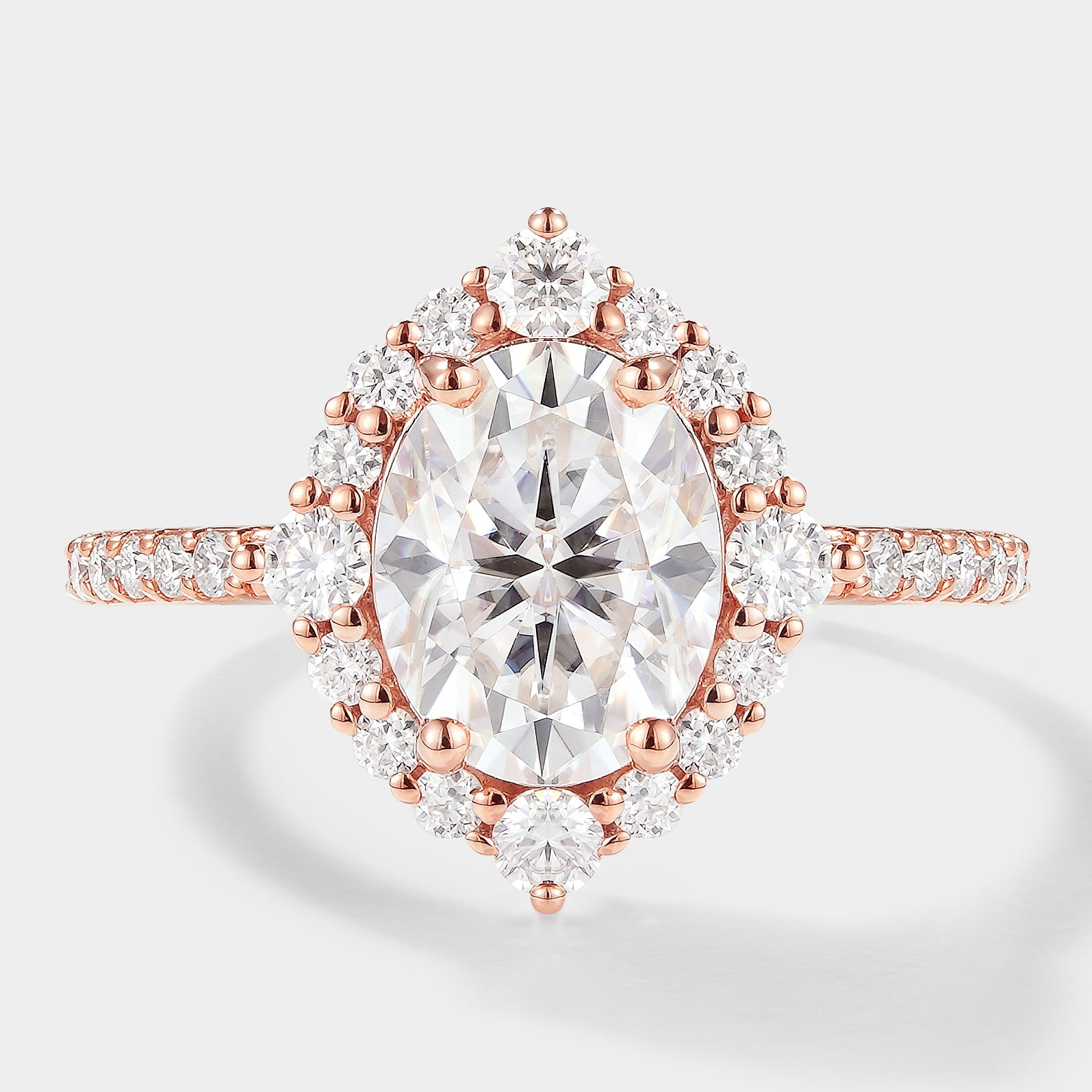
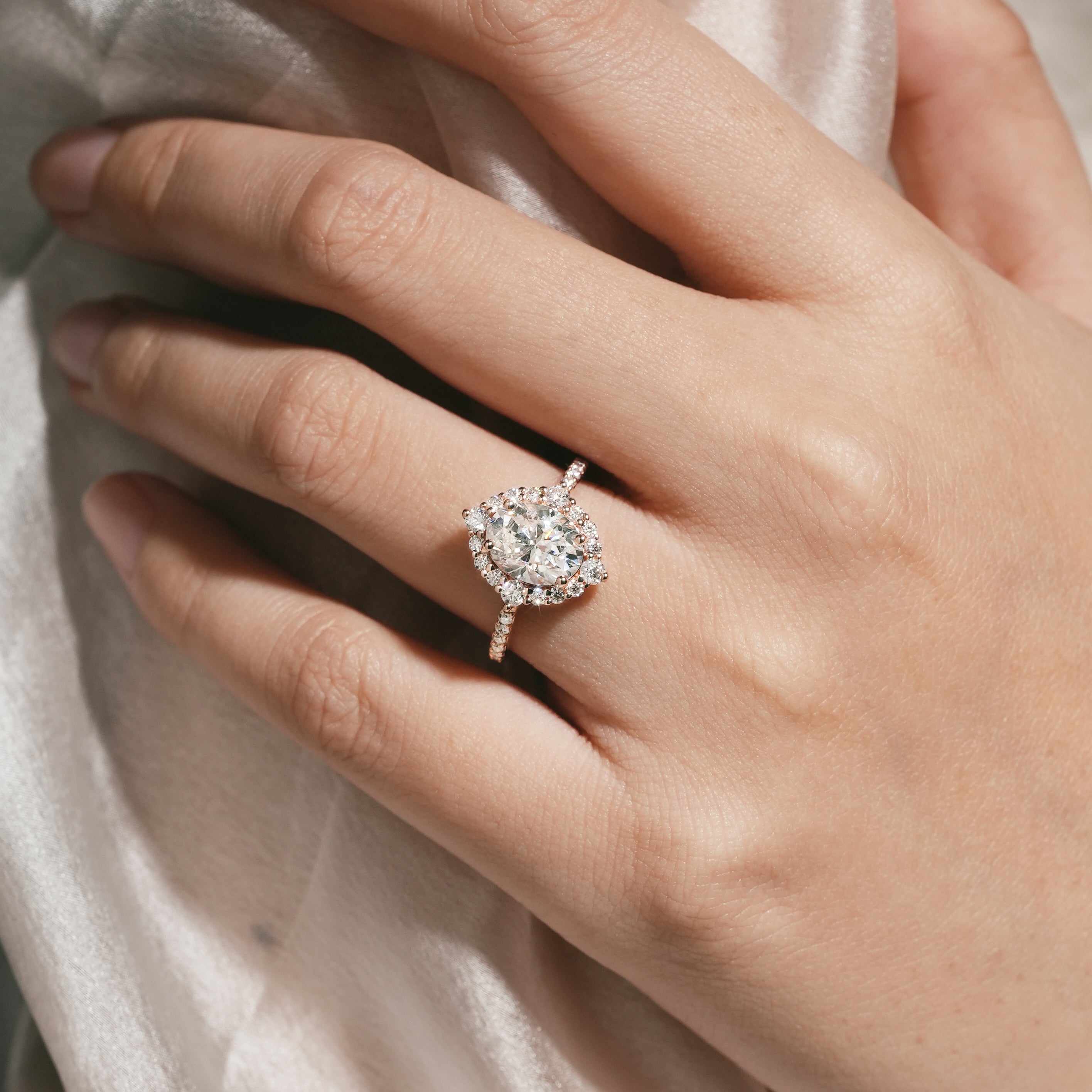
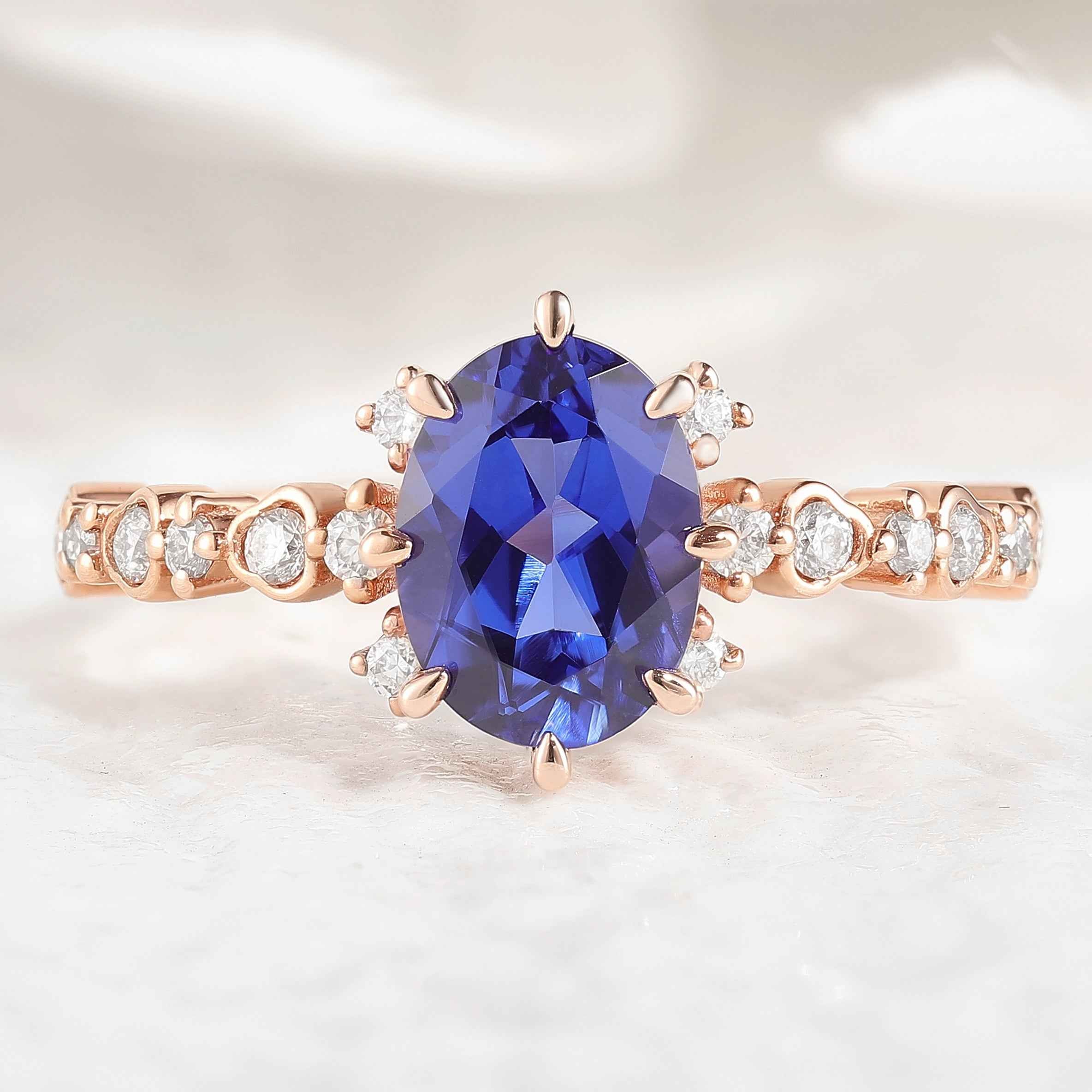
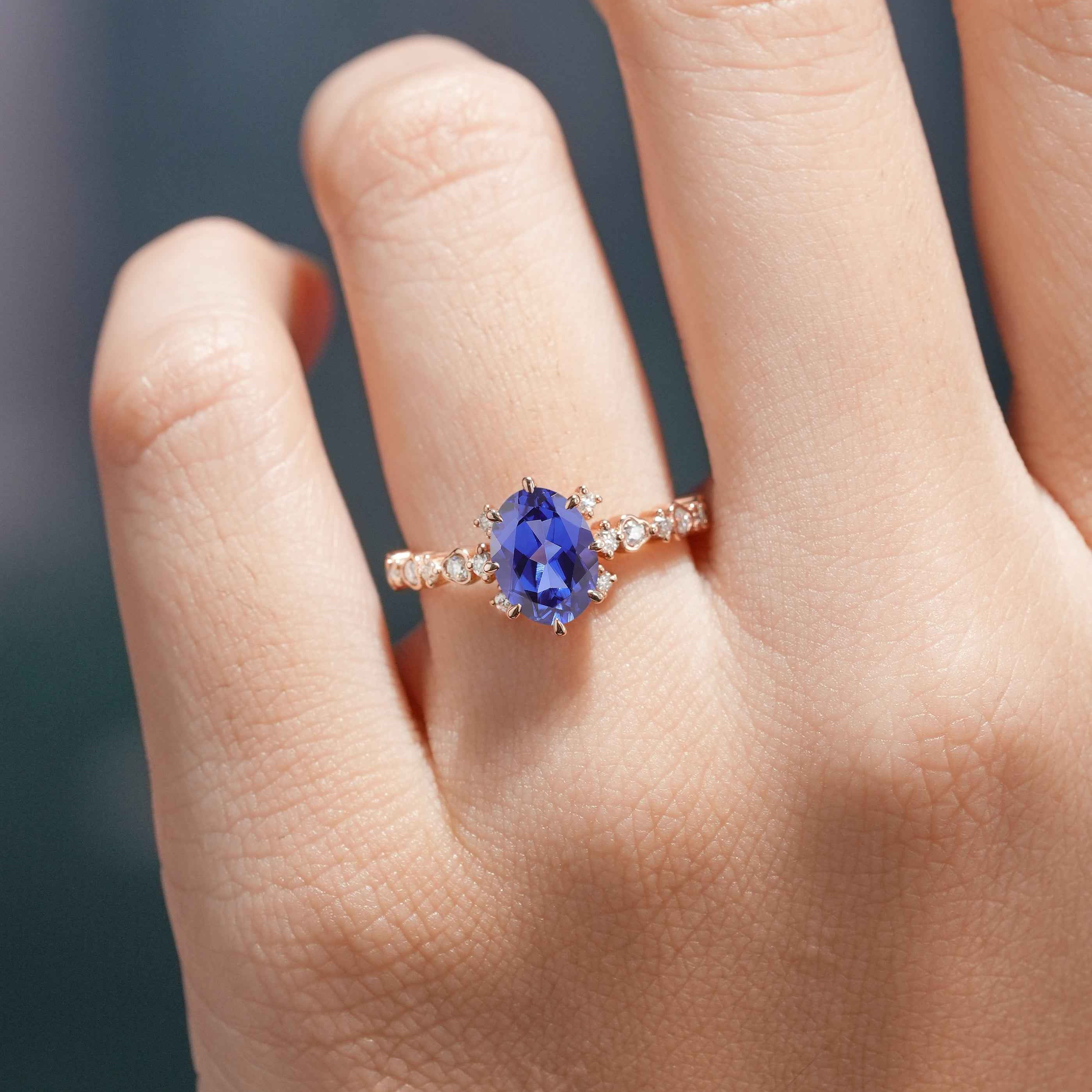
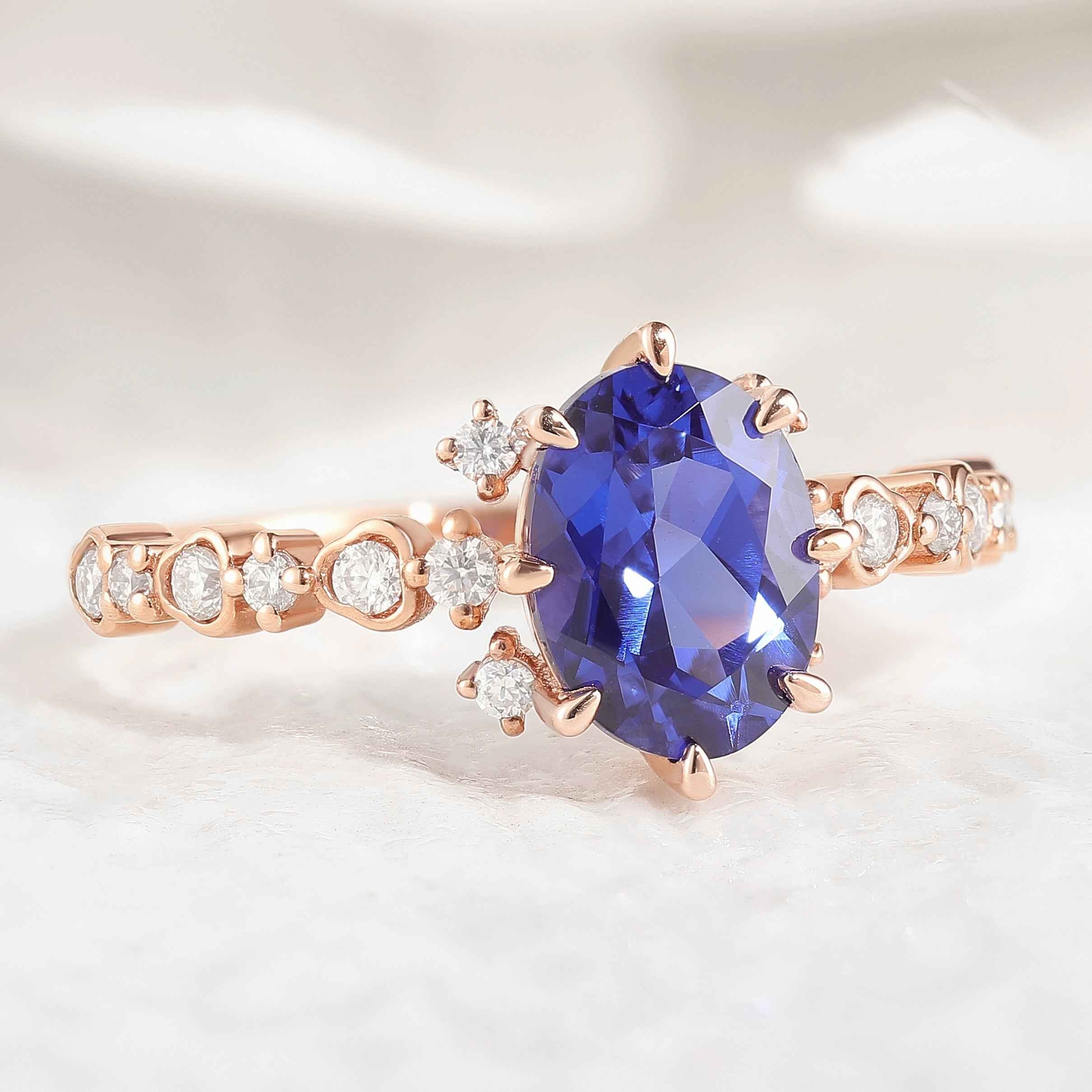
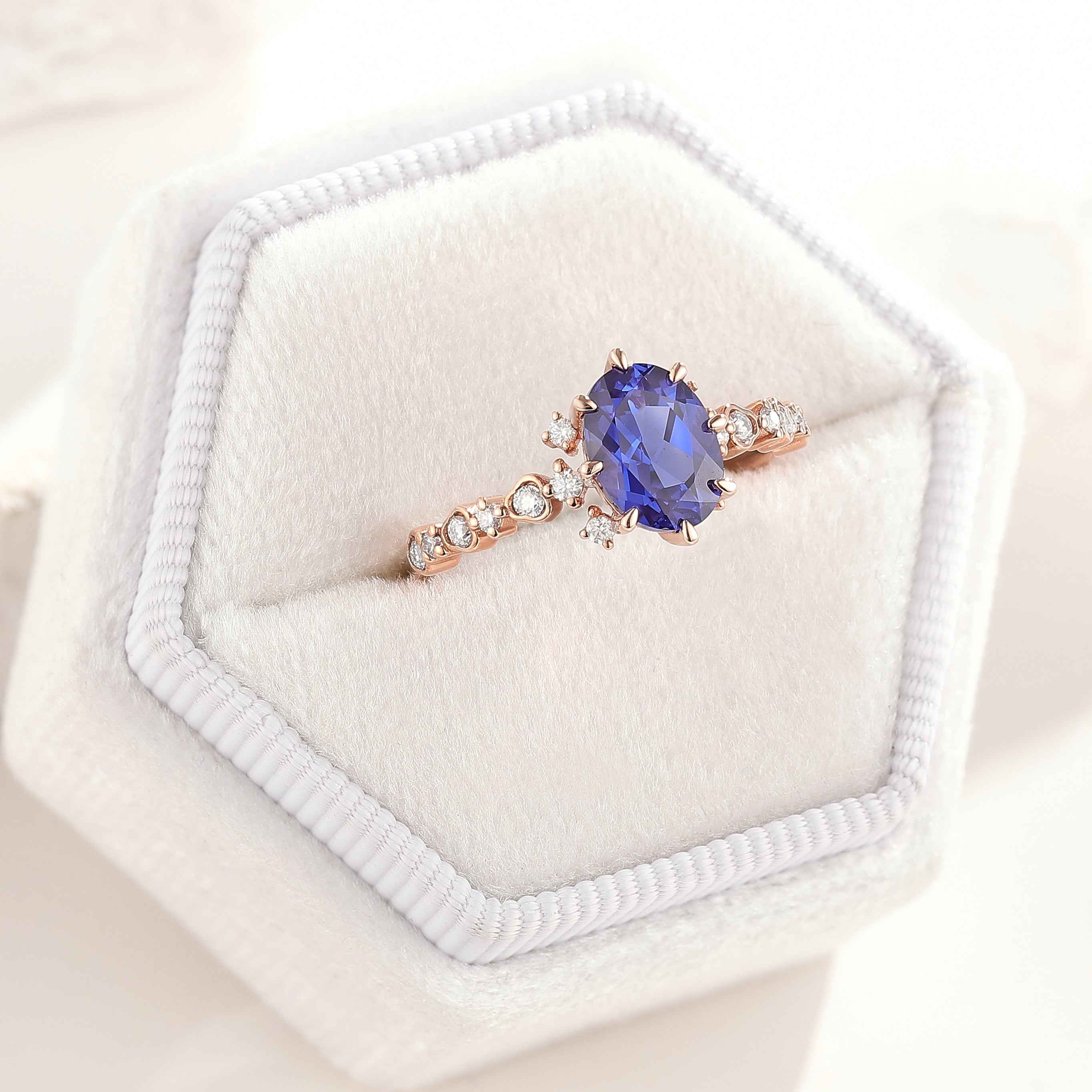
The Beauty of a Pavé Engagement Ring
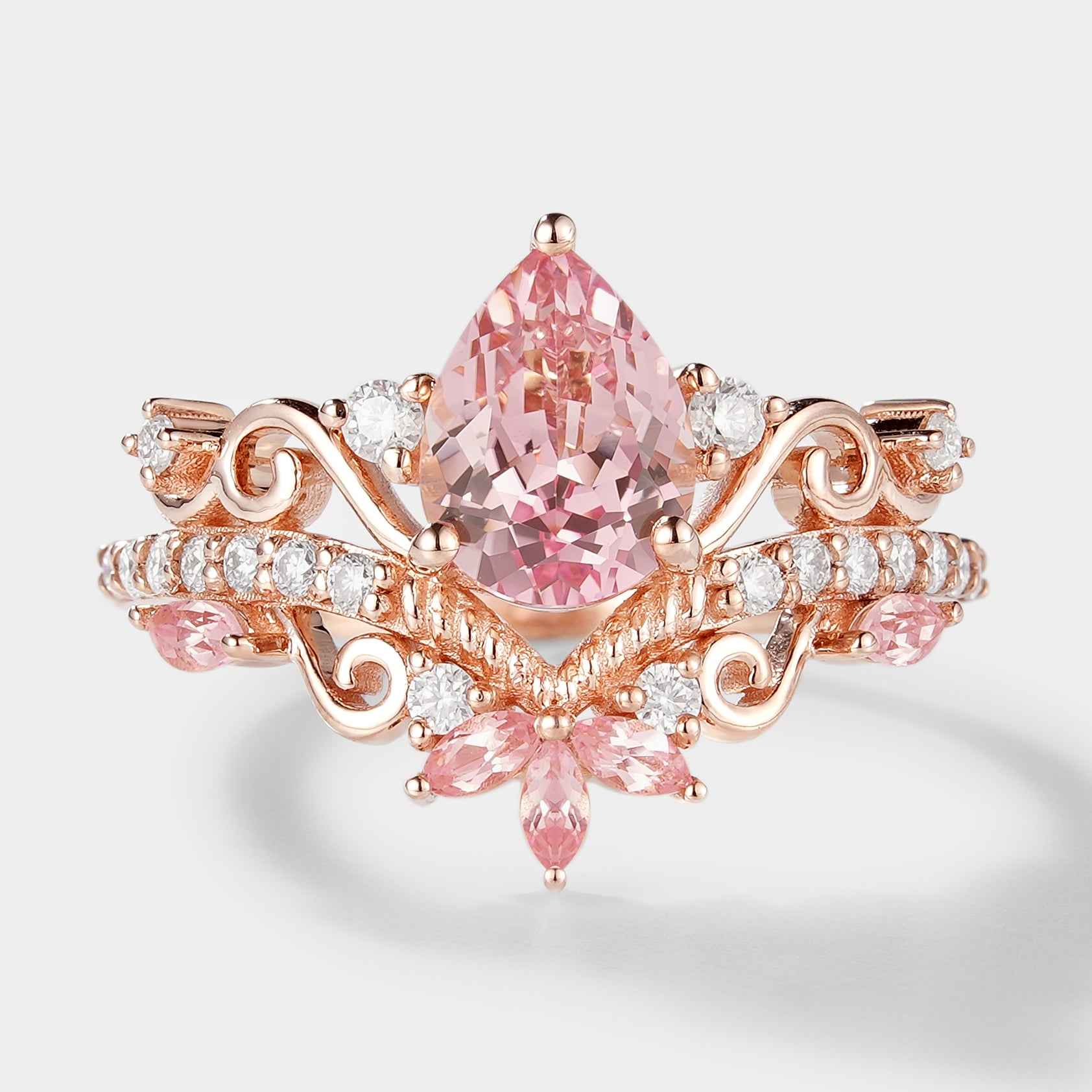
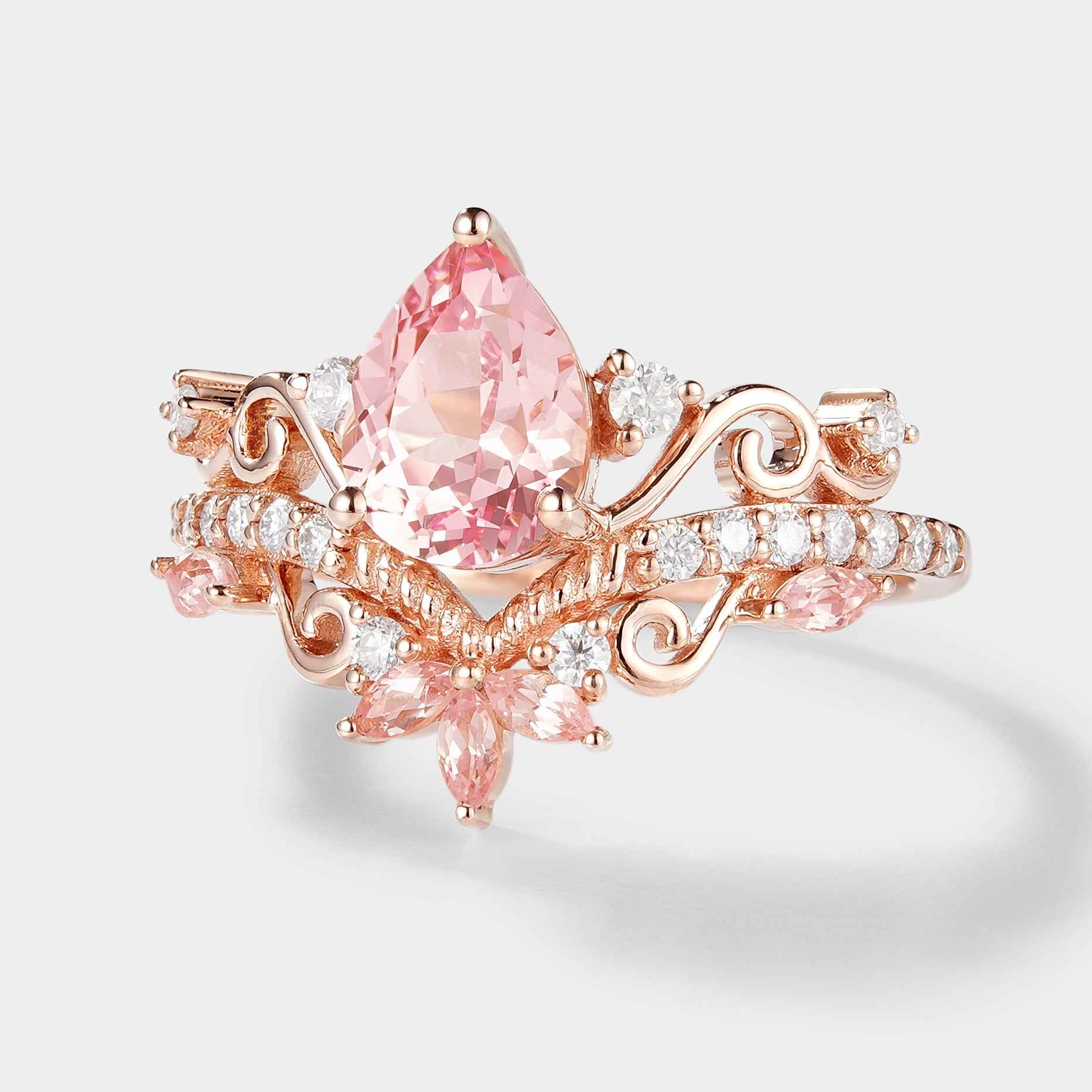
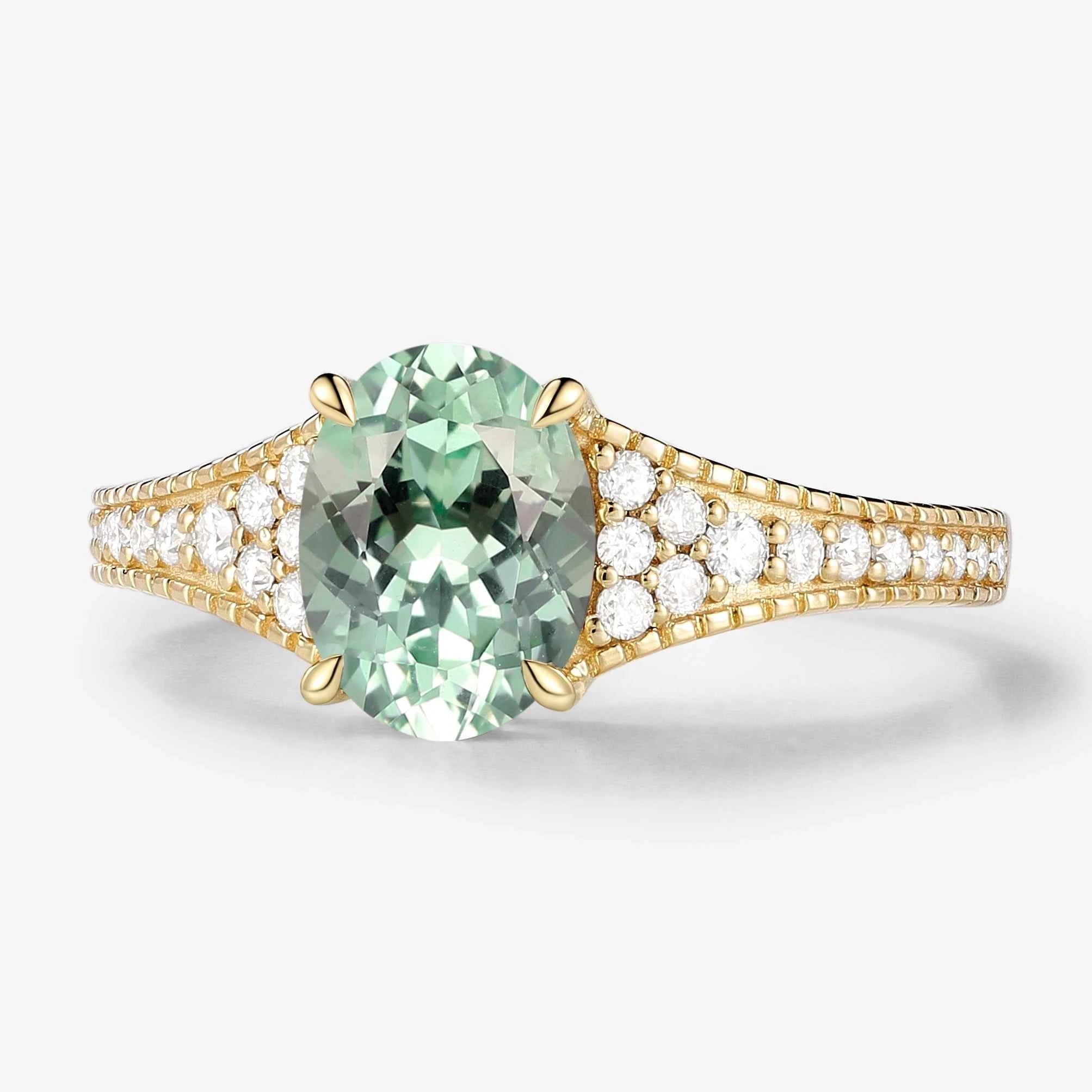
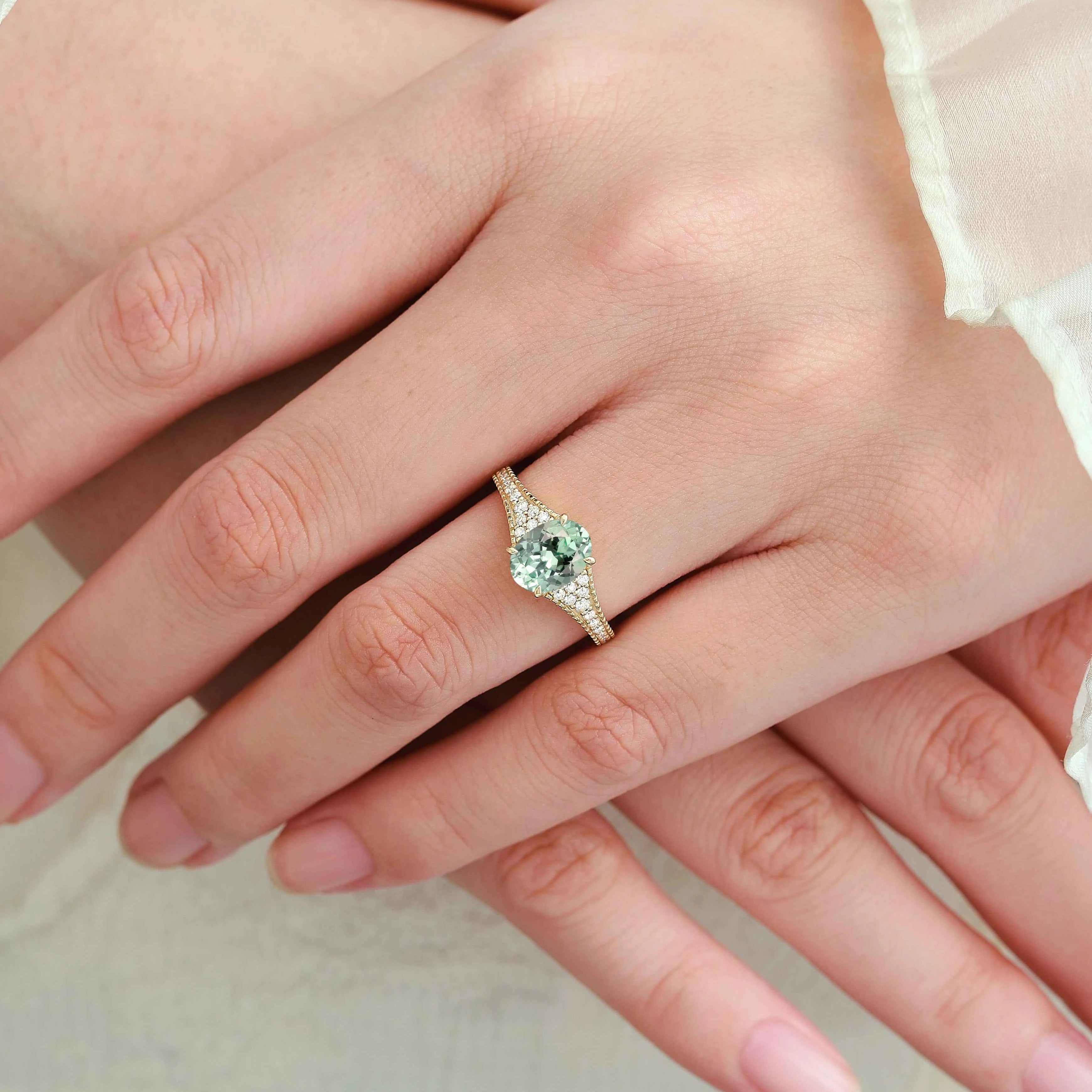
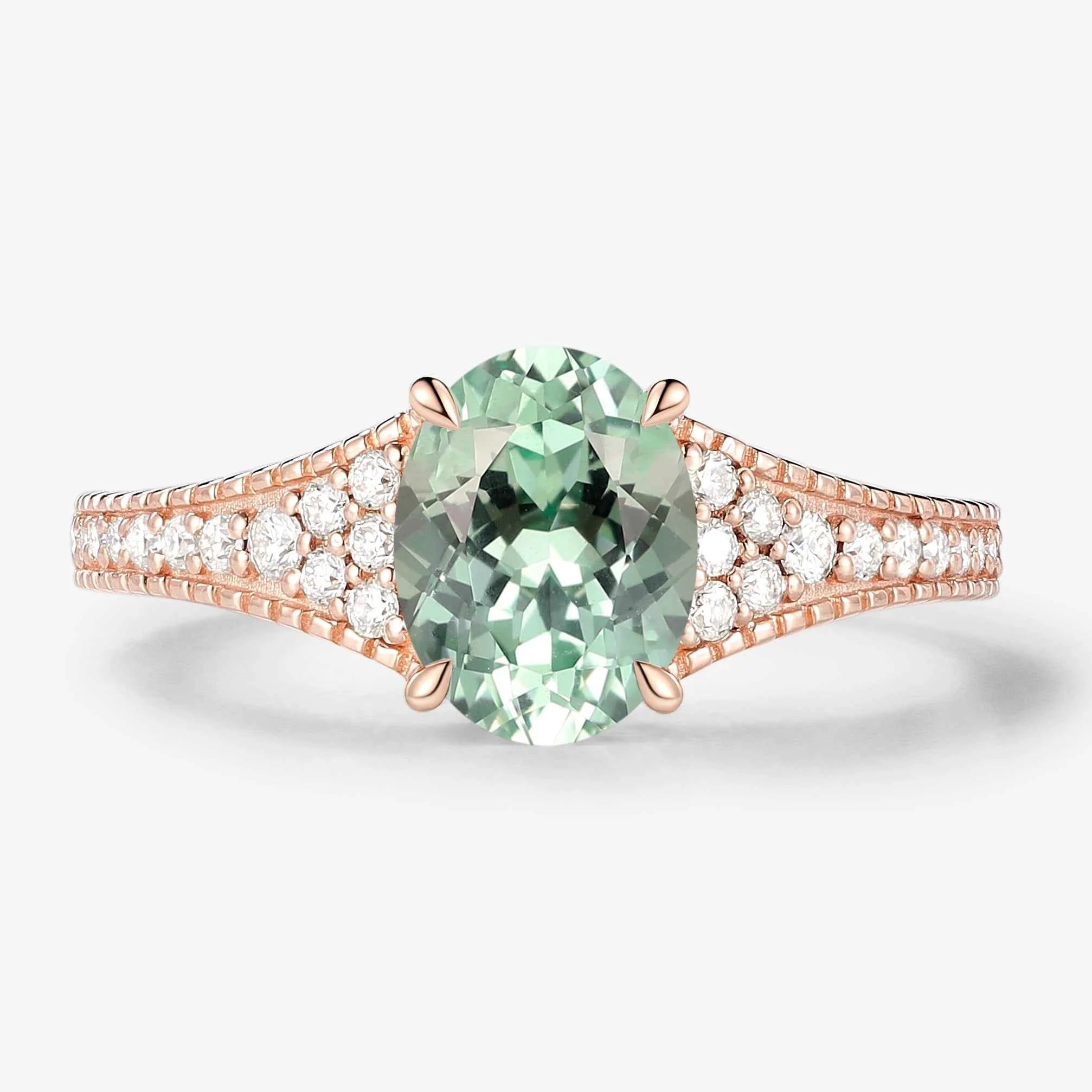
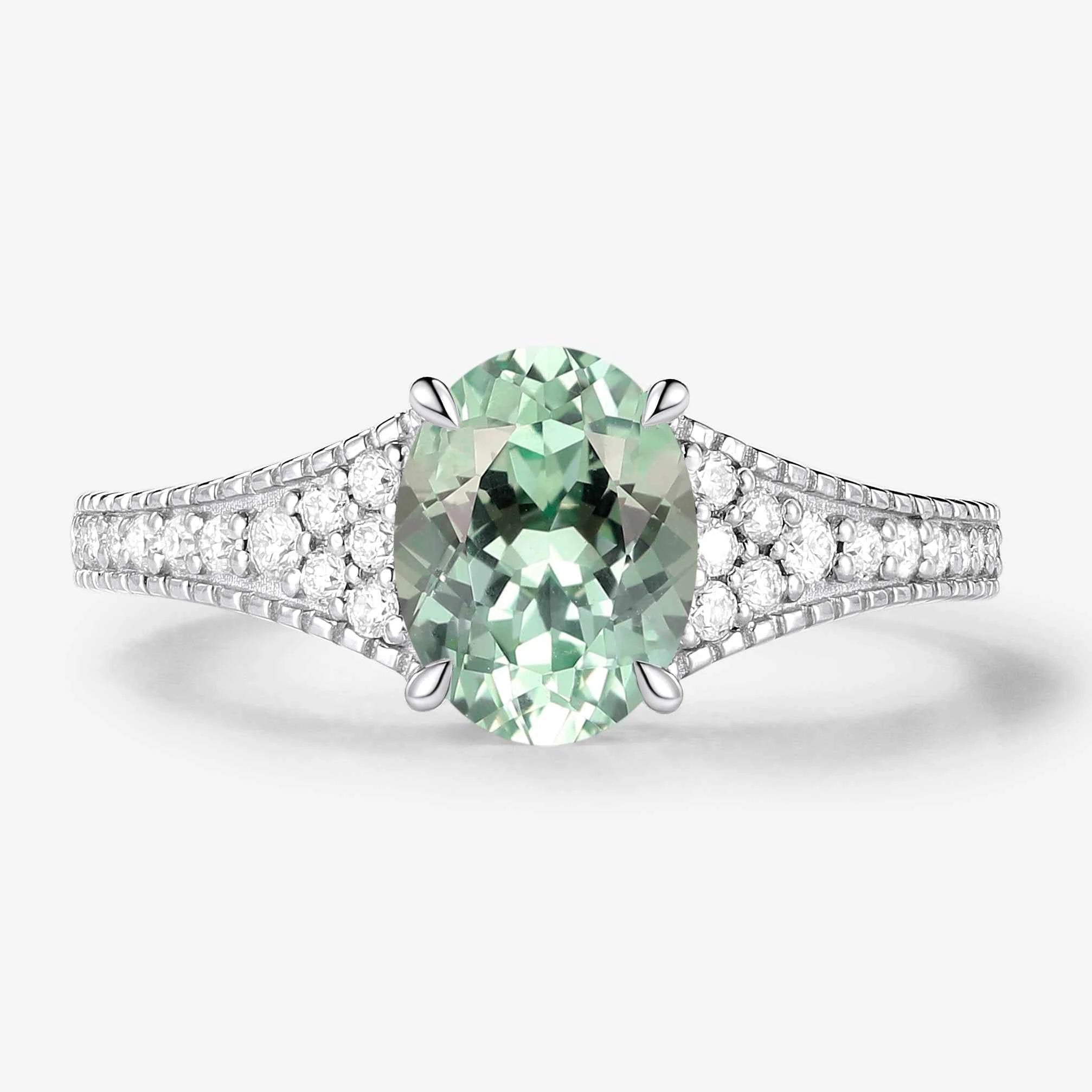
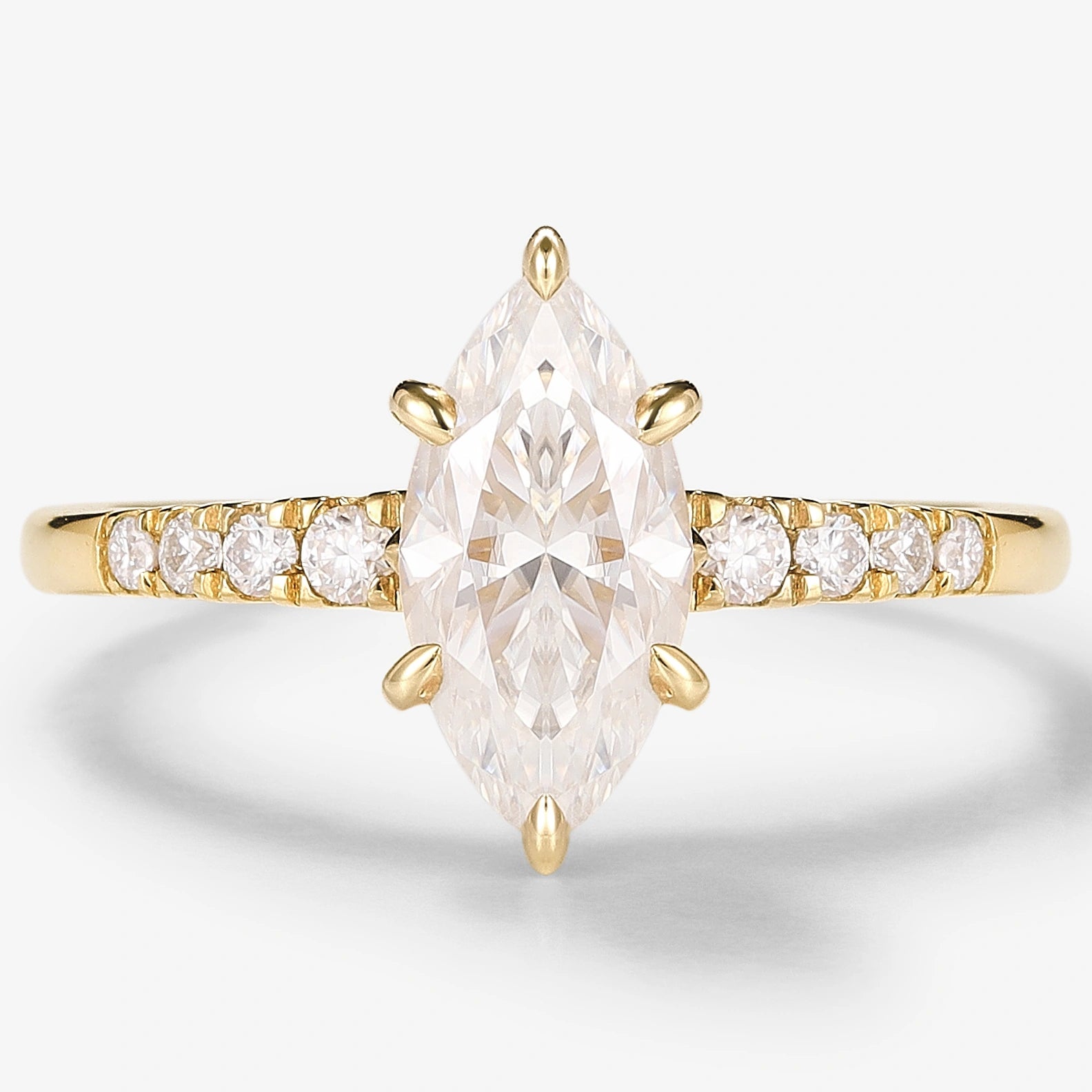
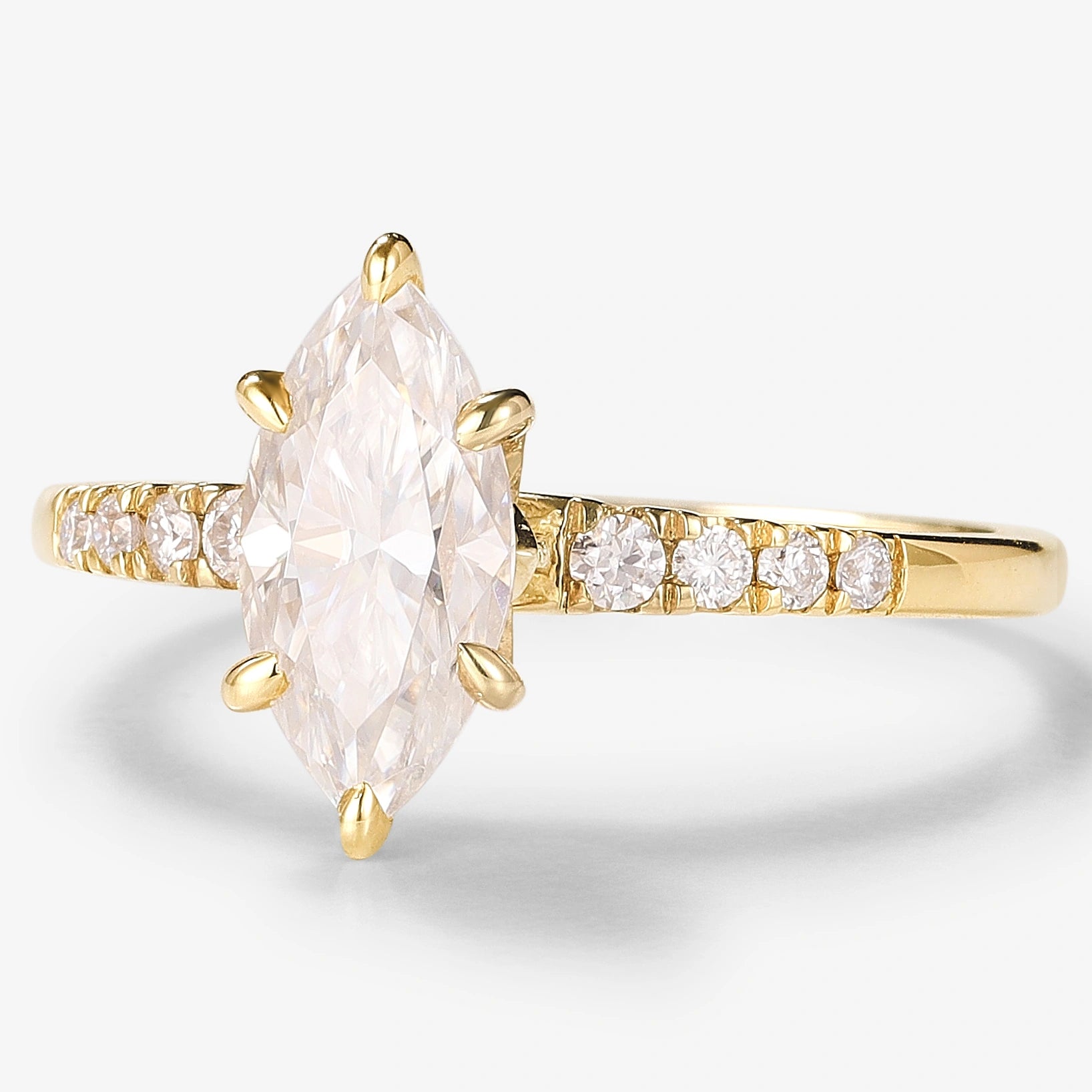
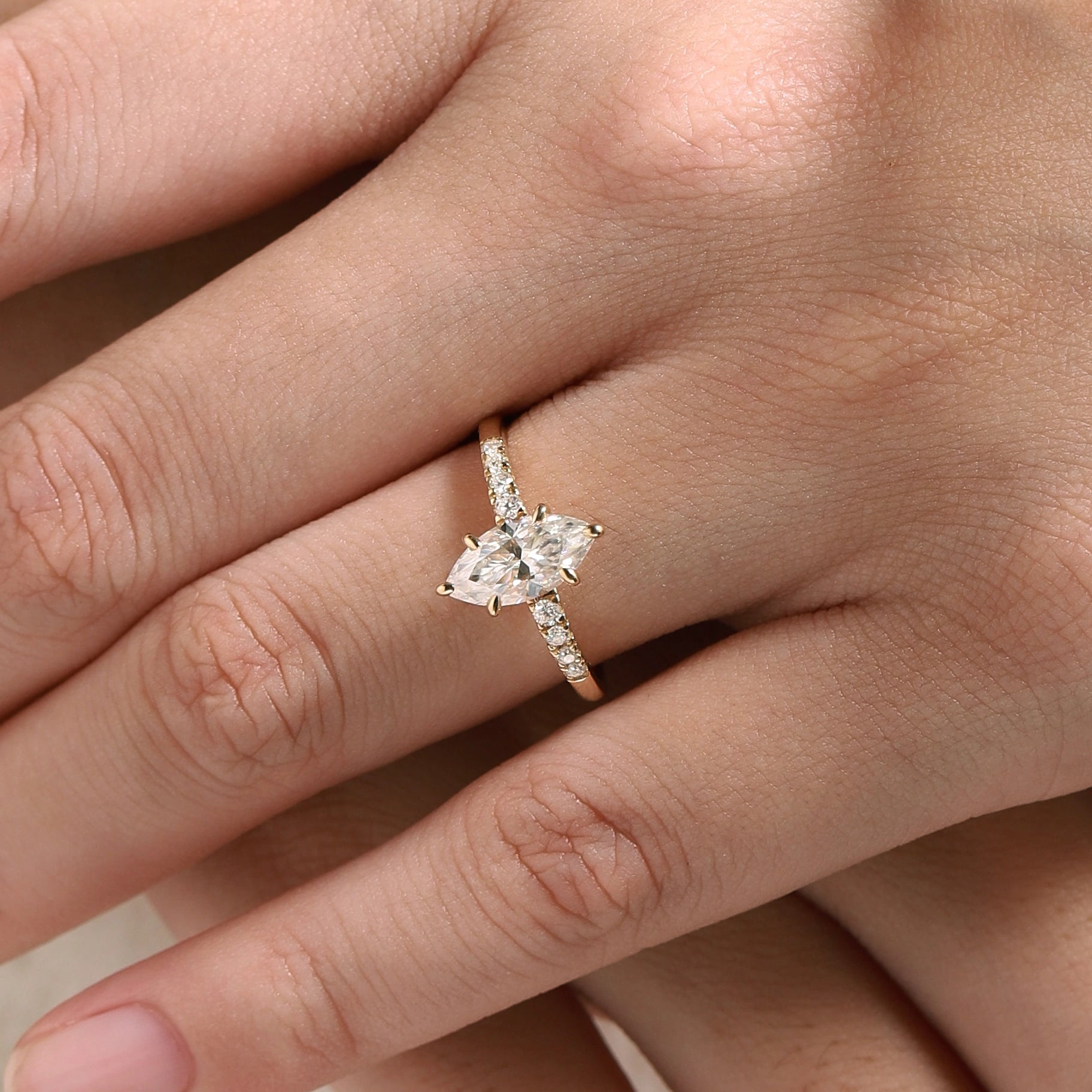
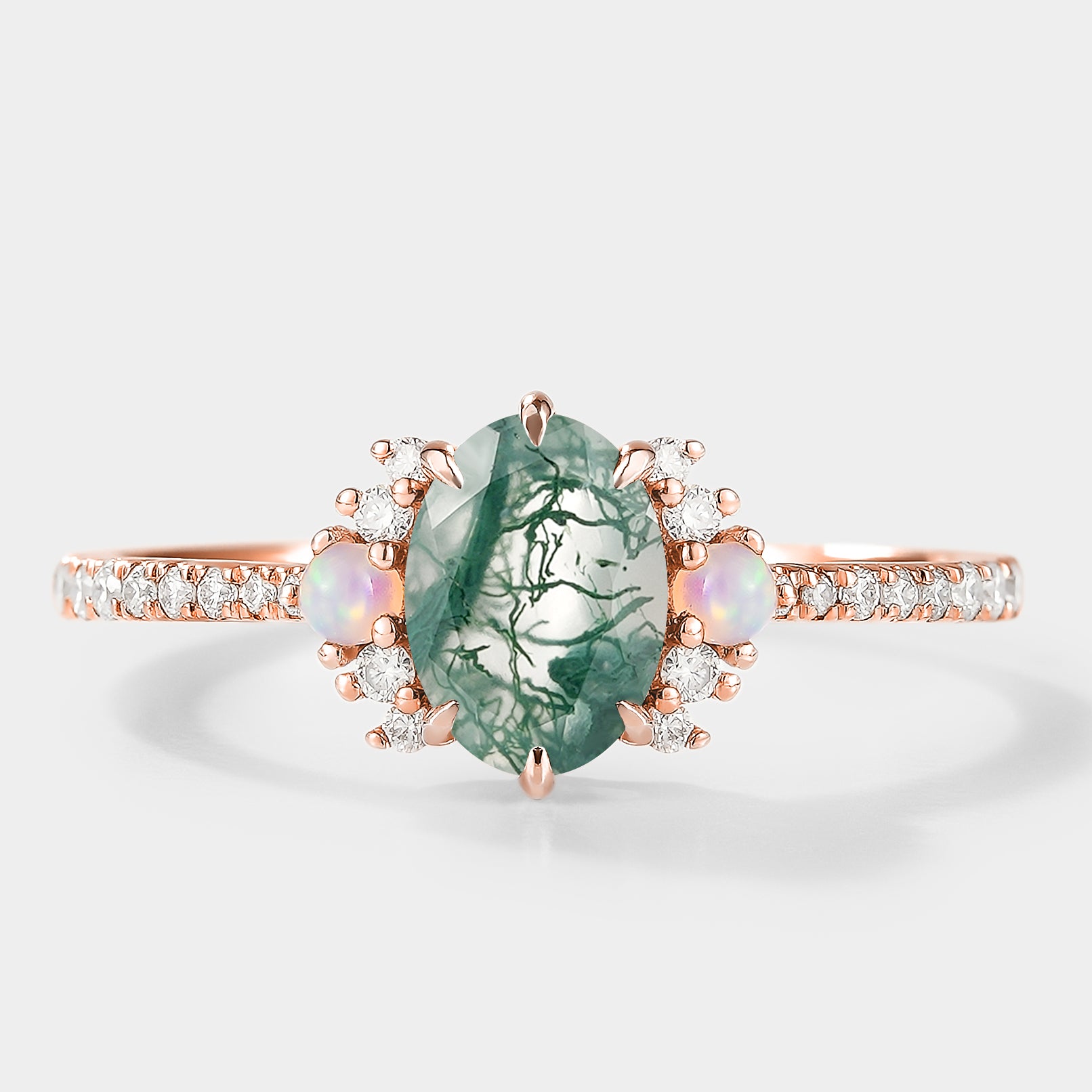
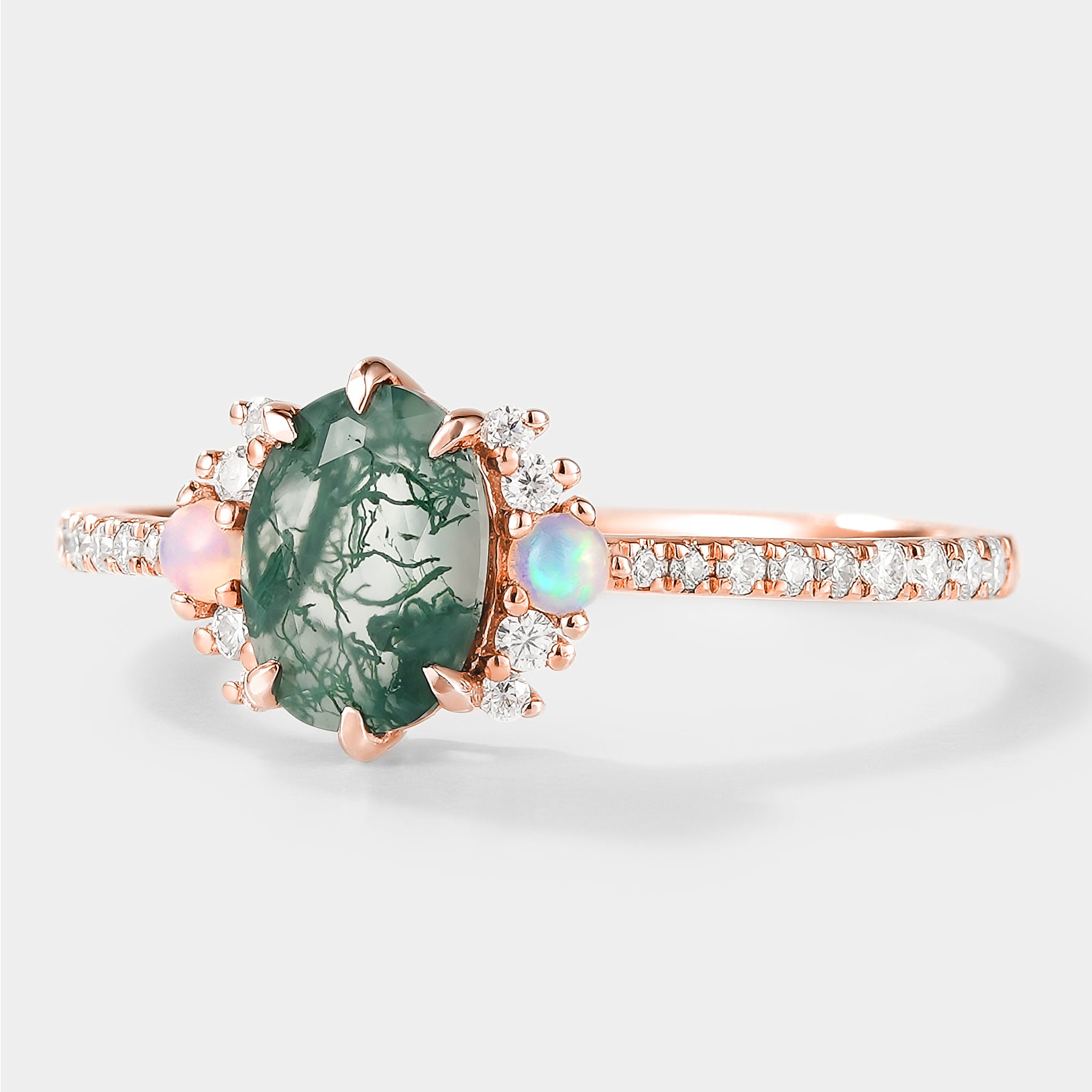
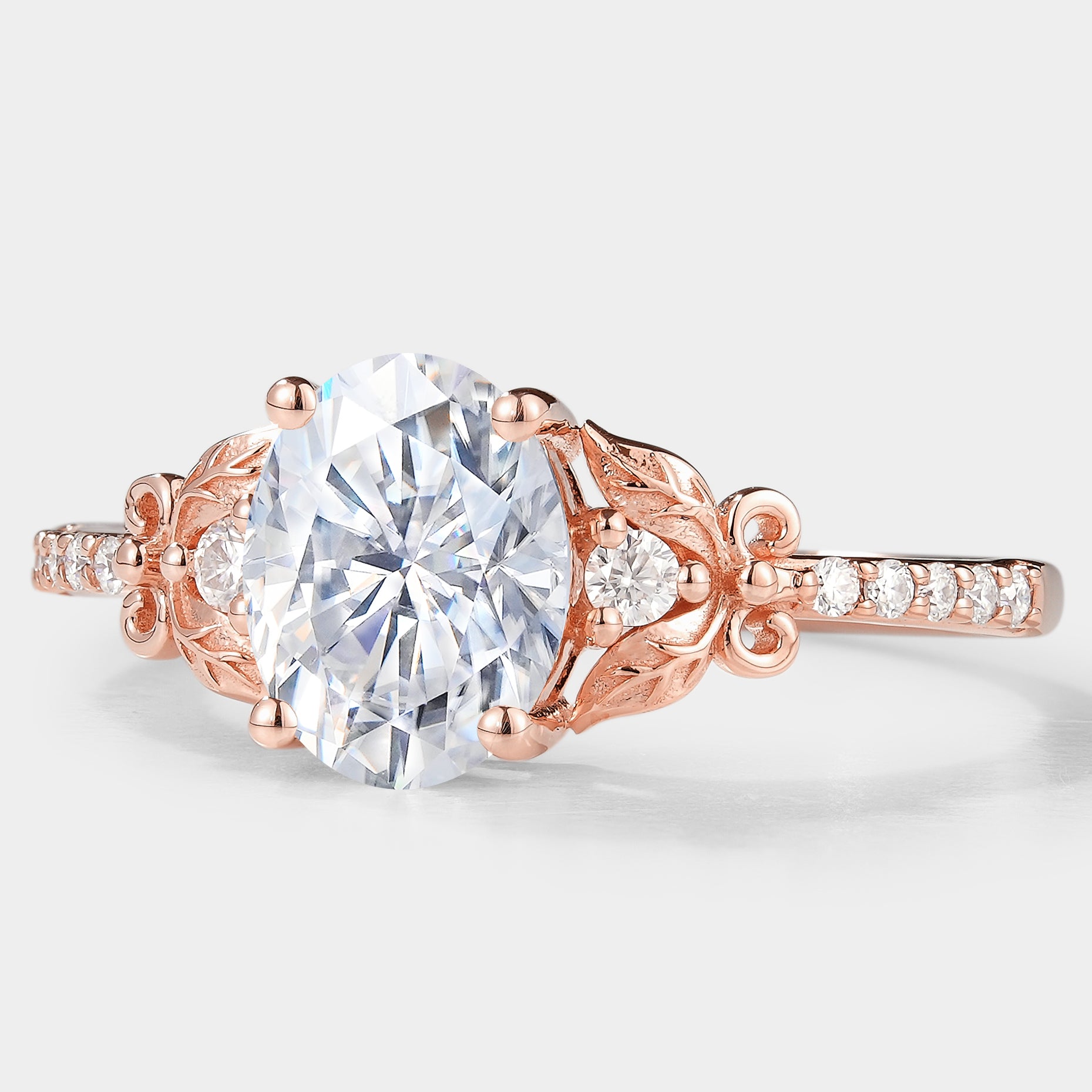
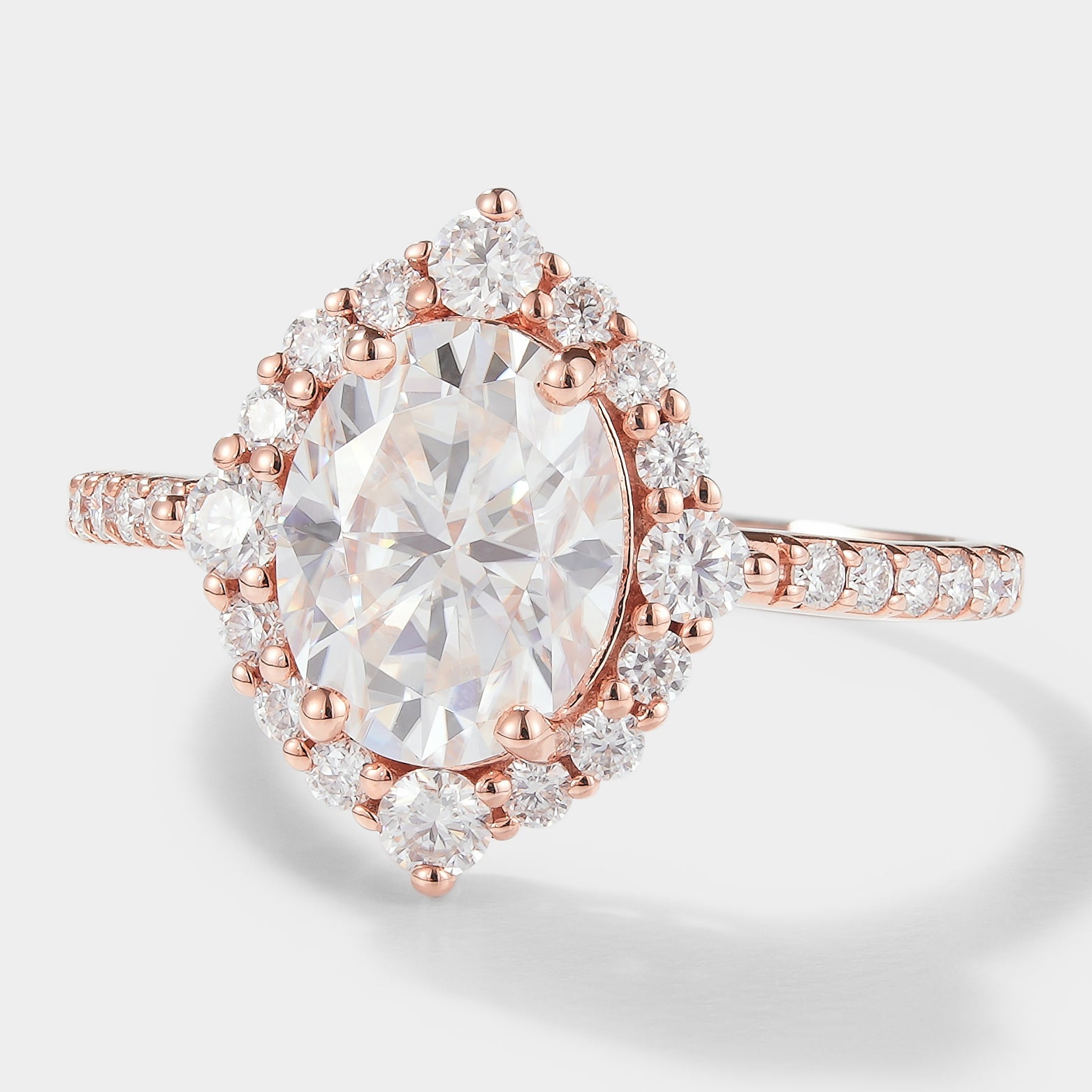
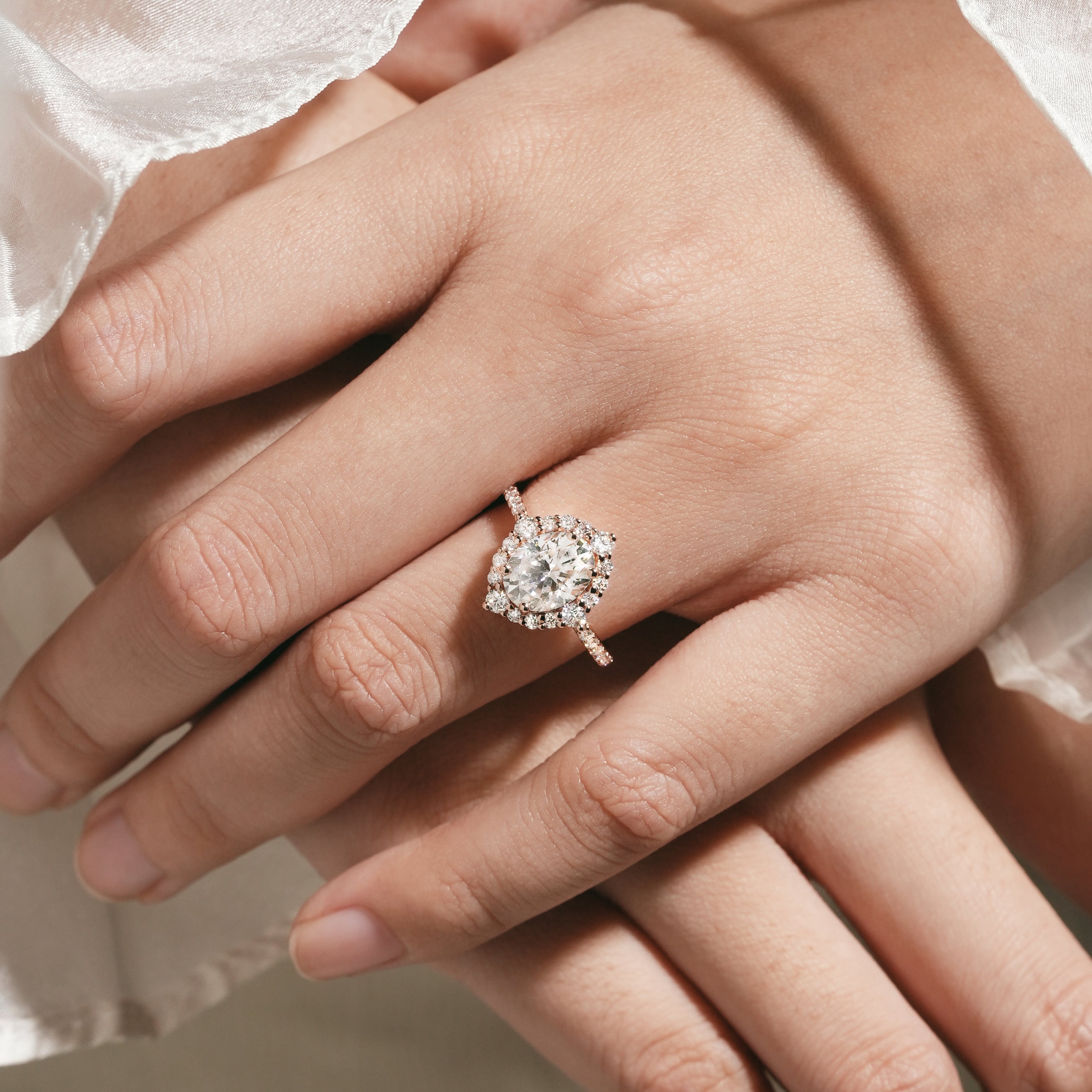
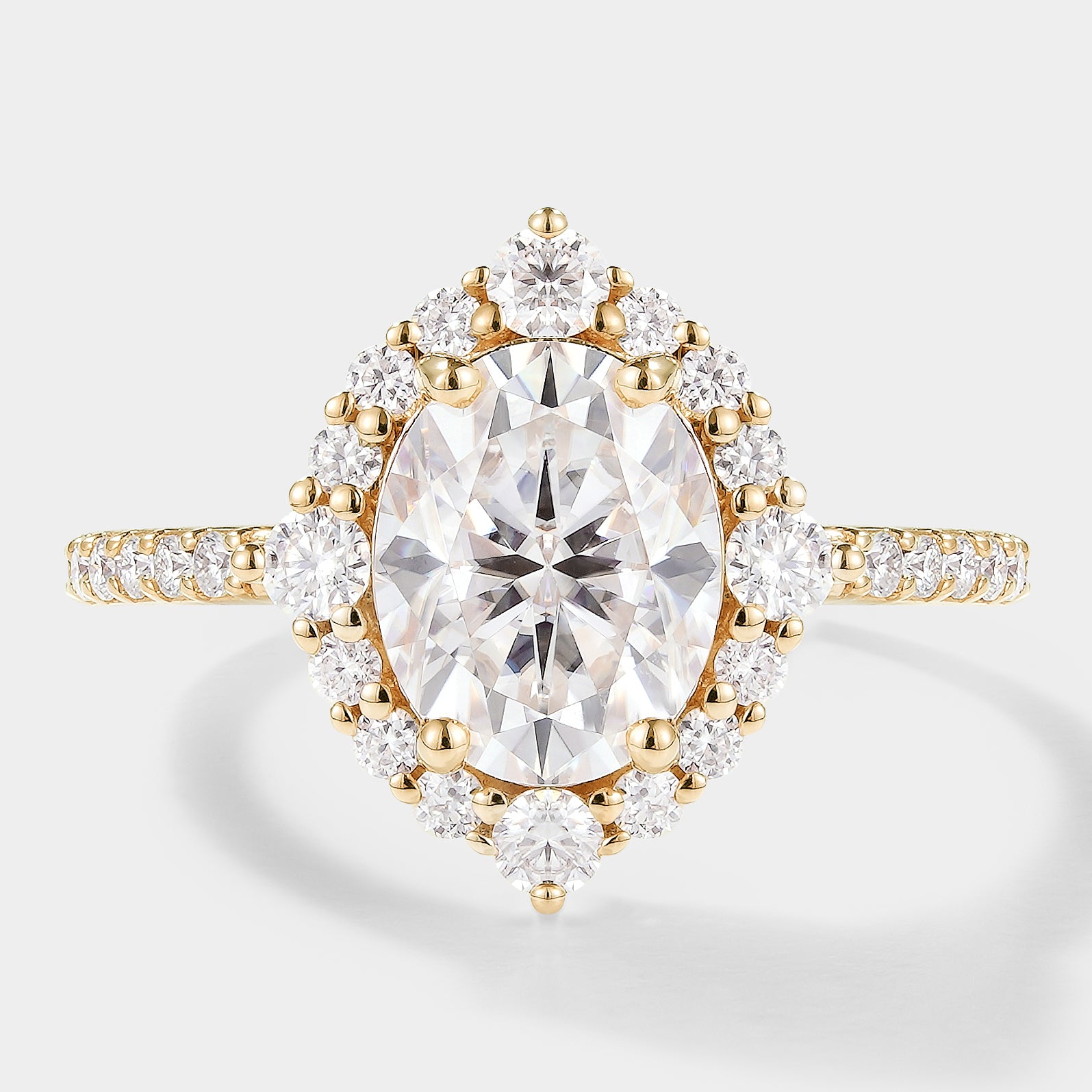
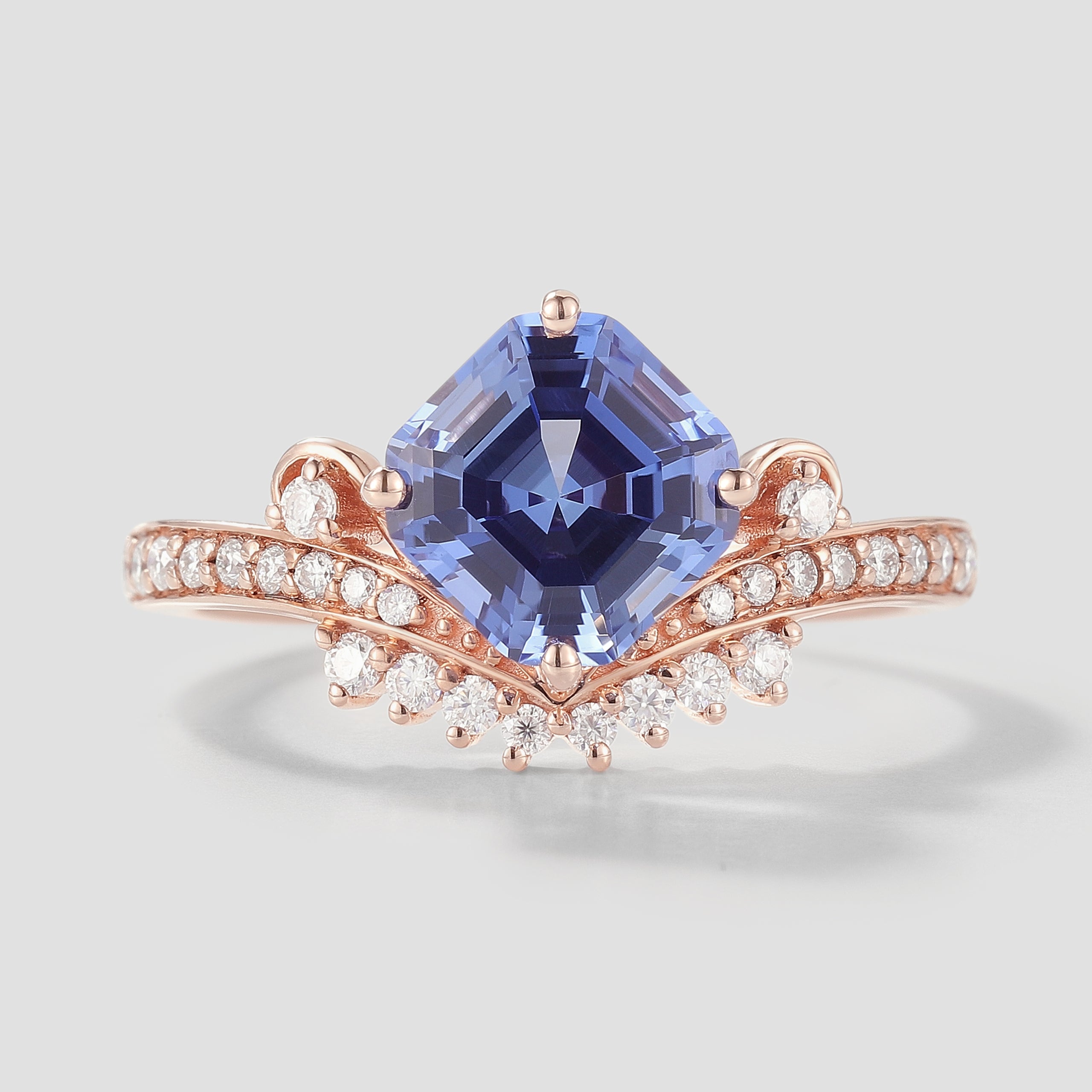
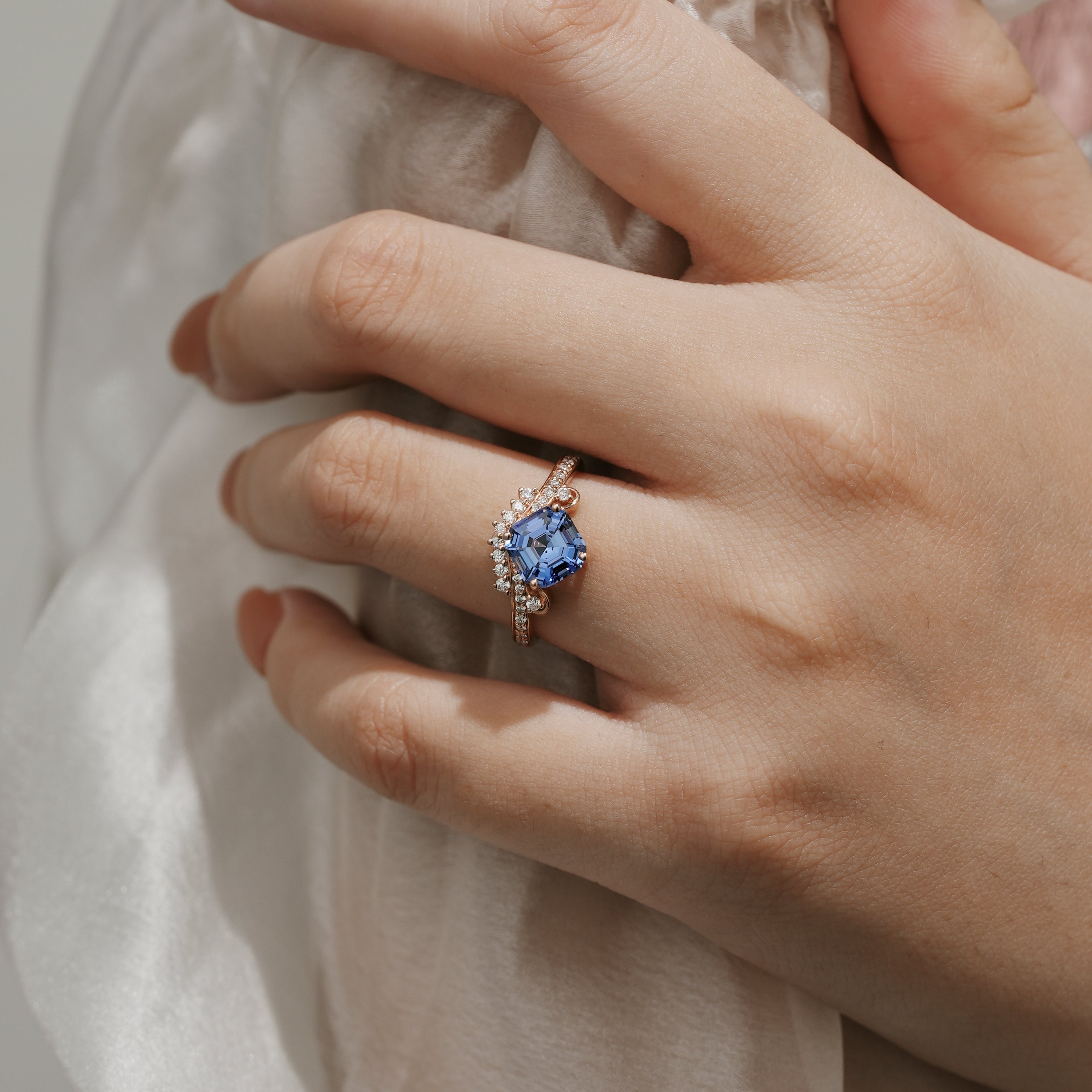
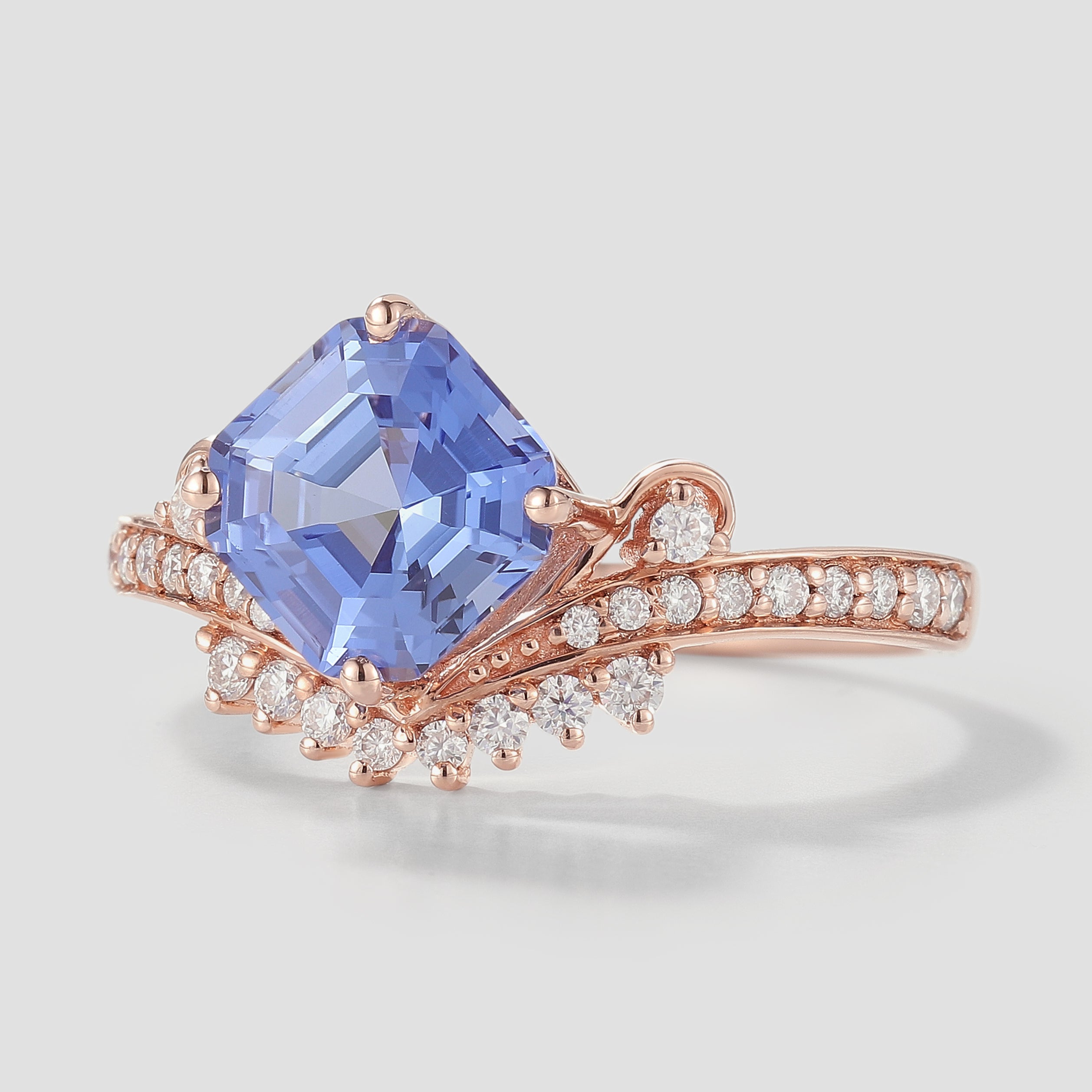
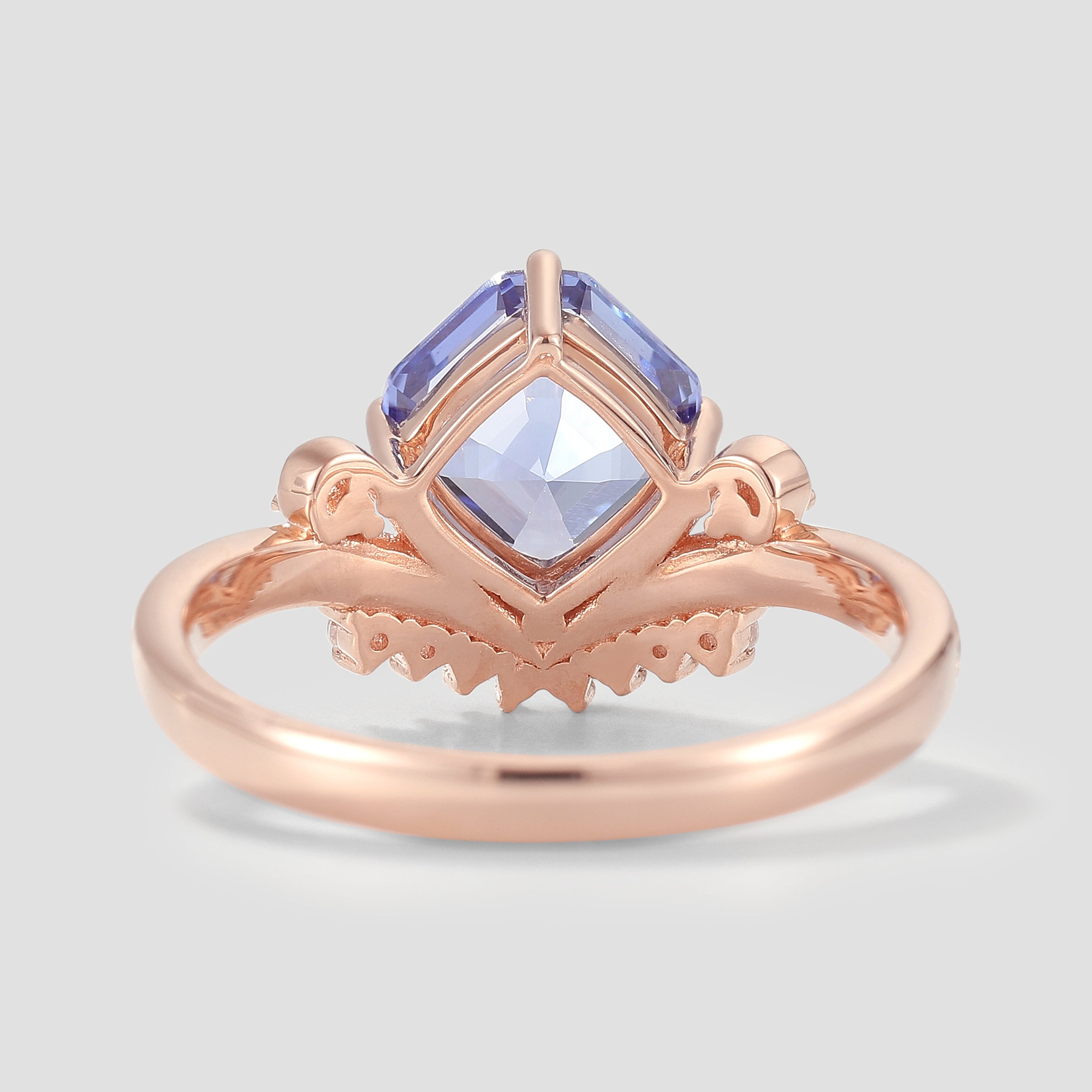
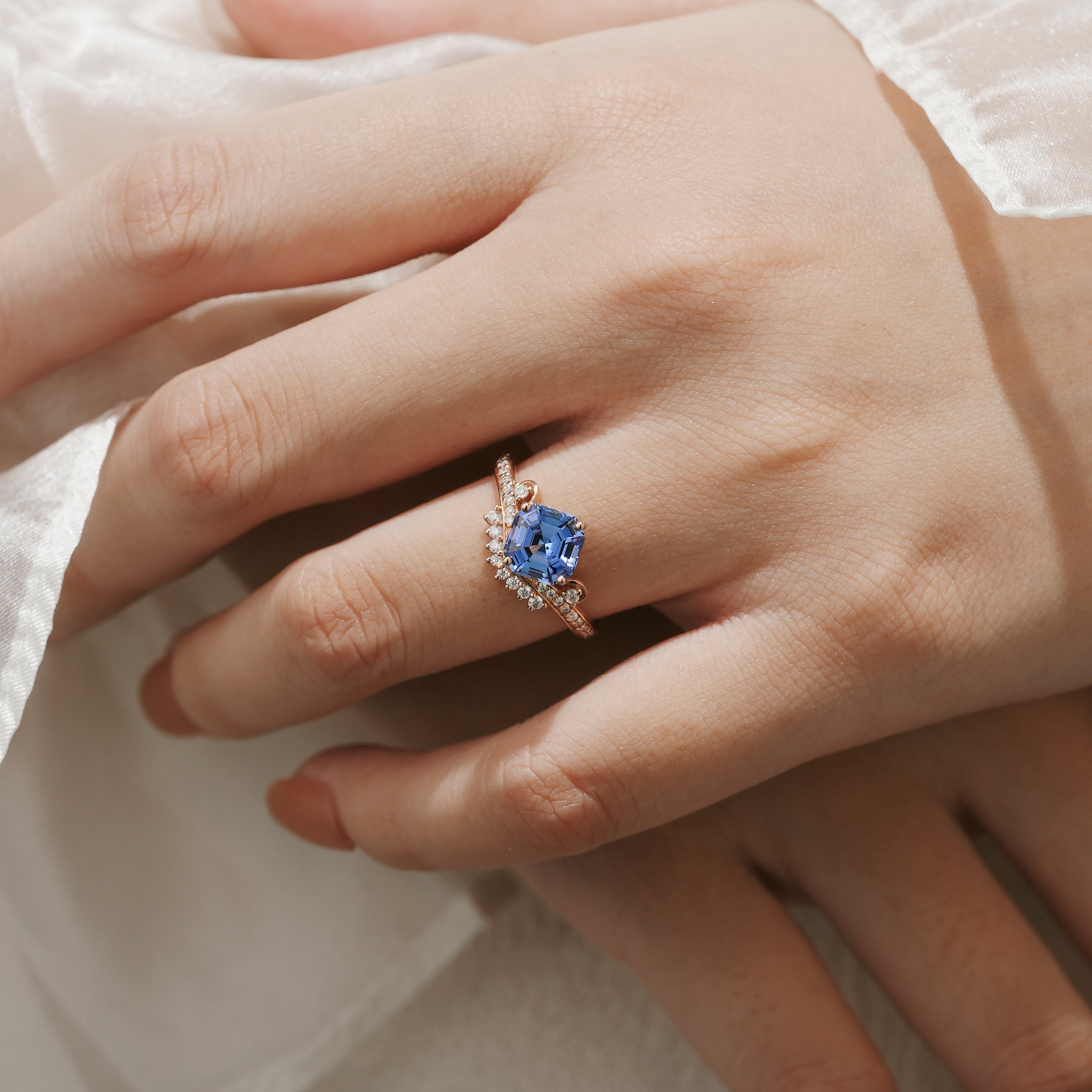
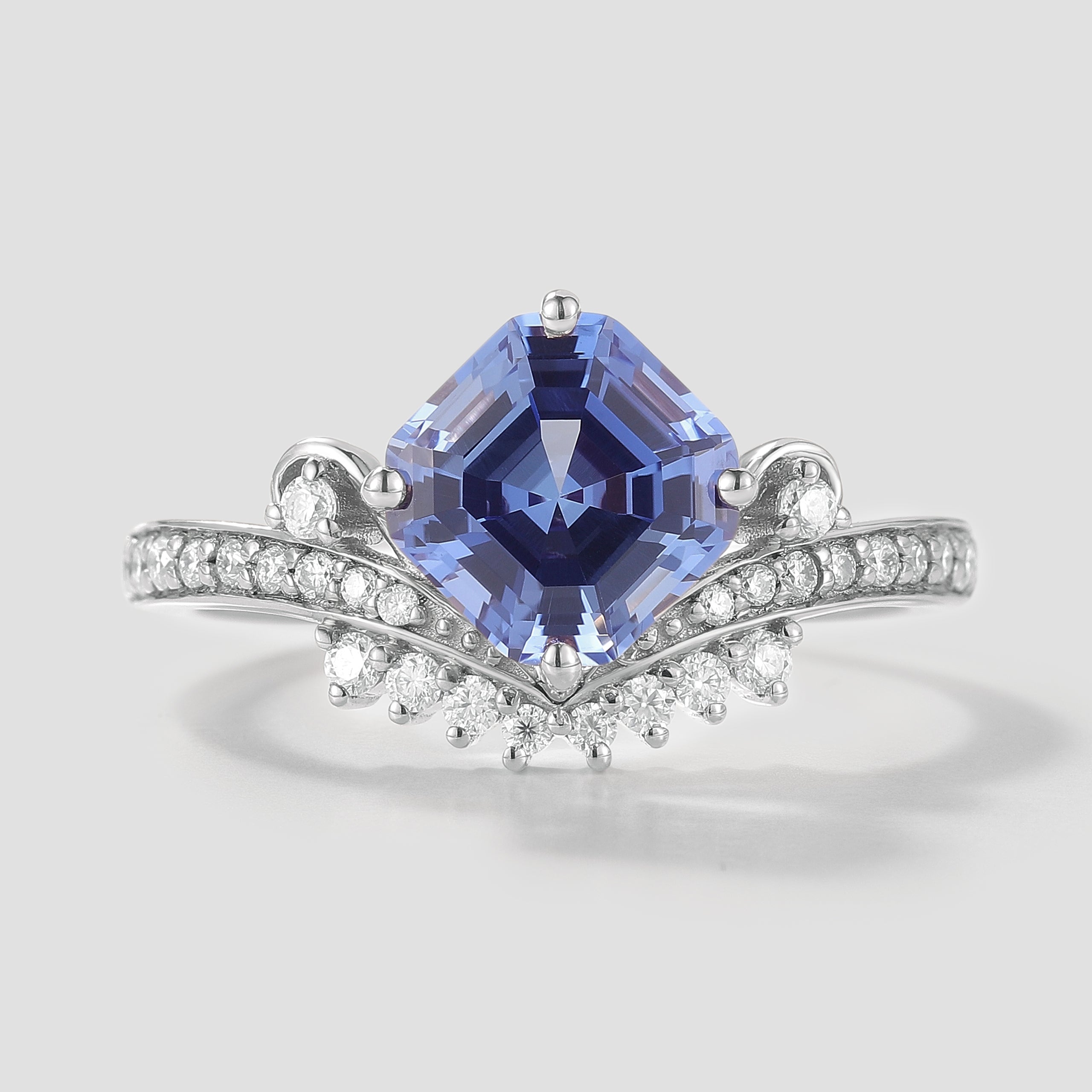
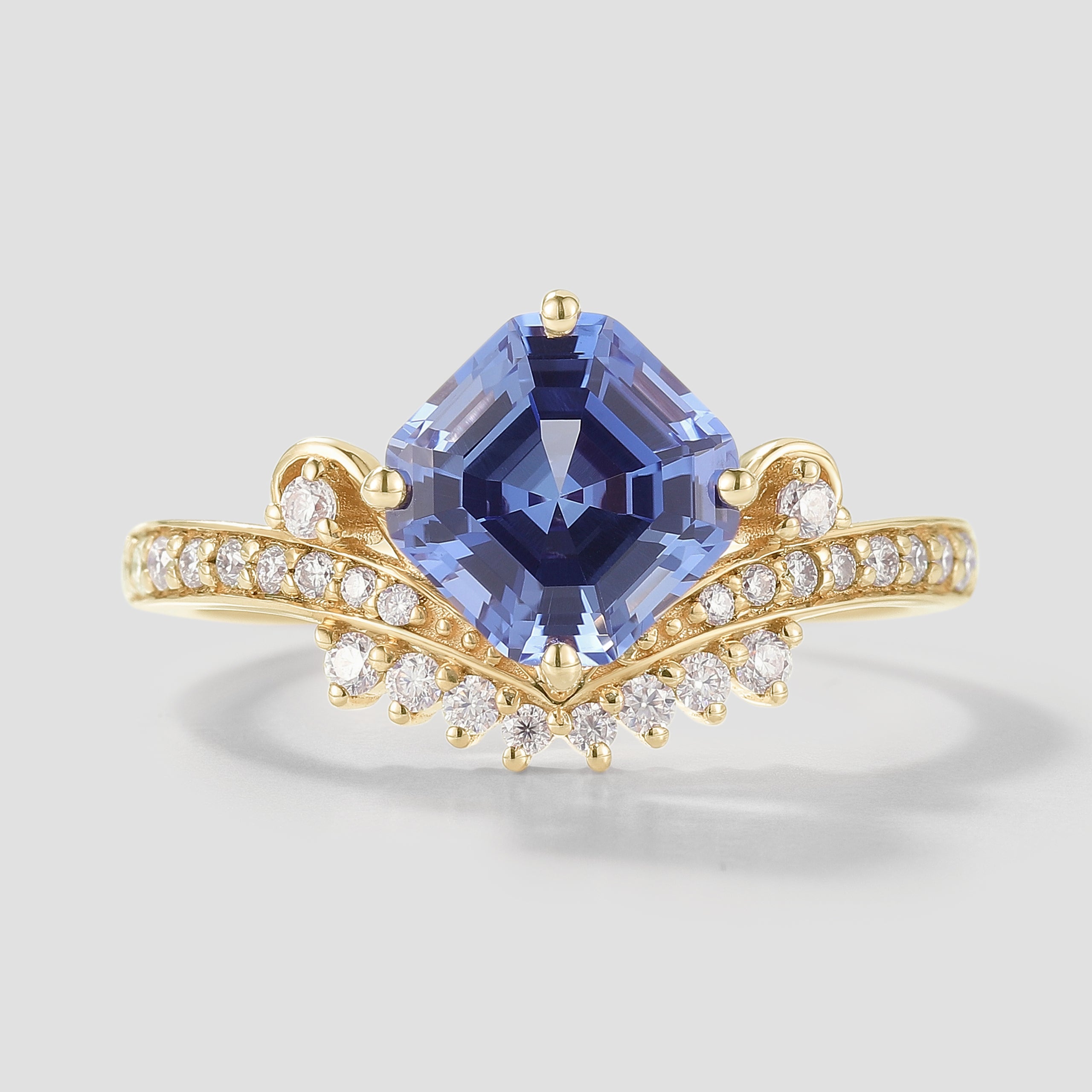
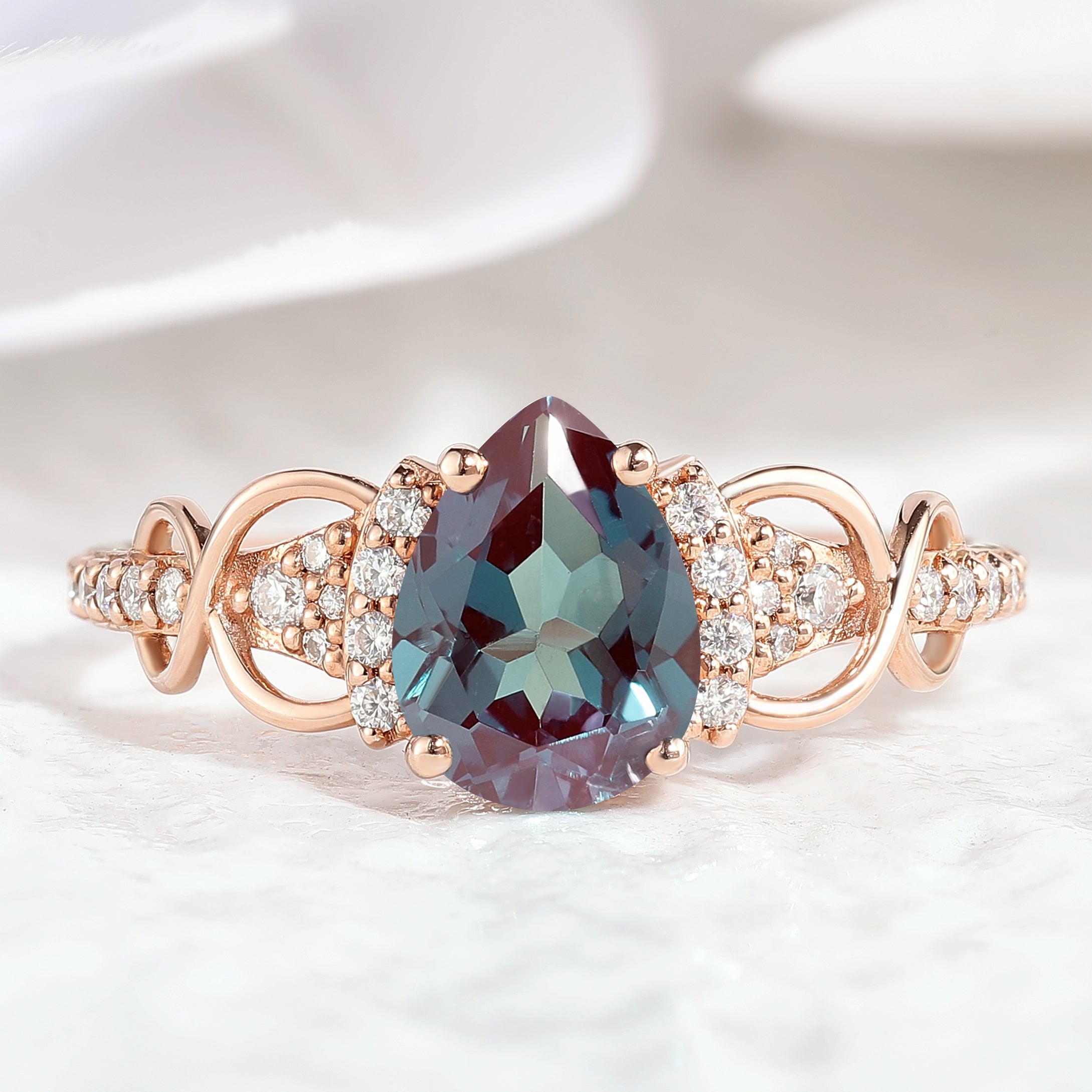
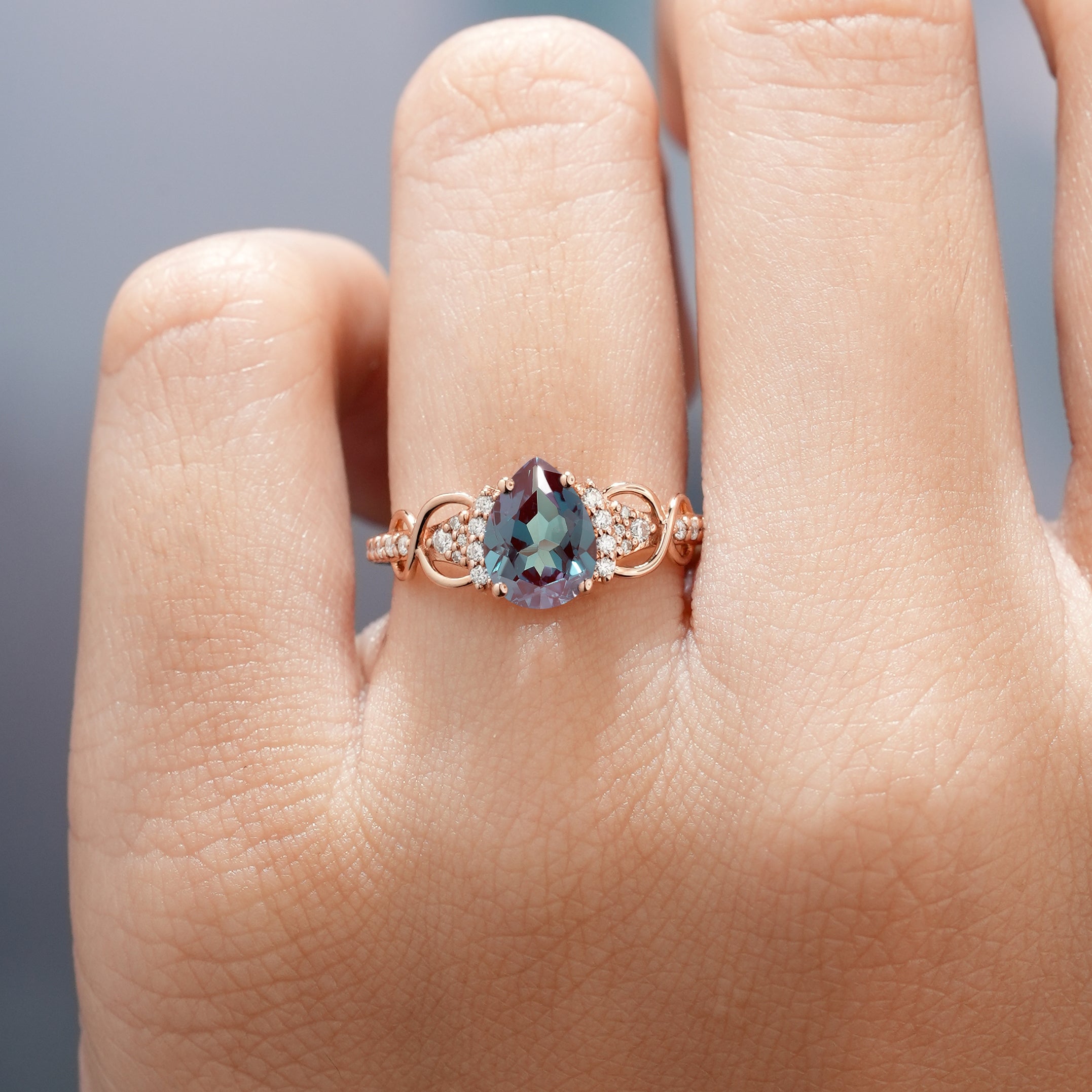
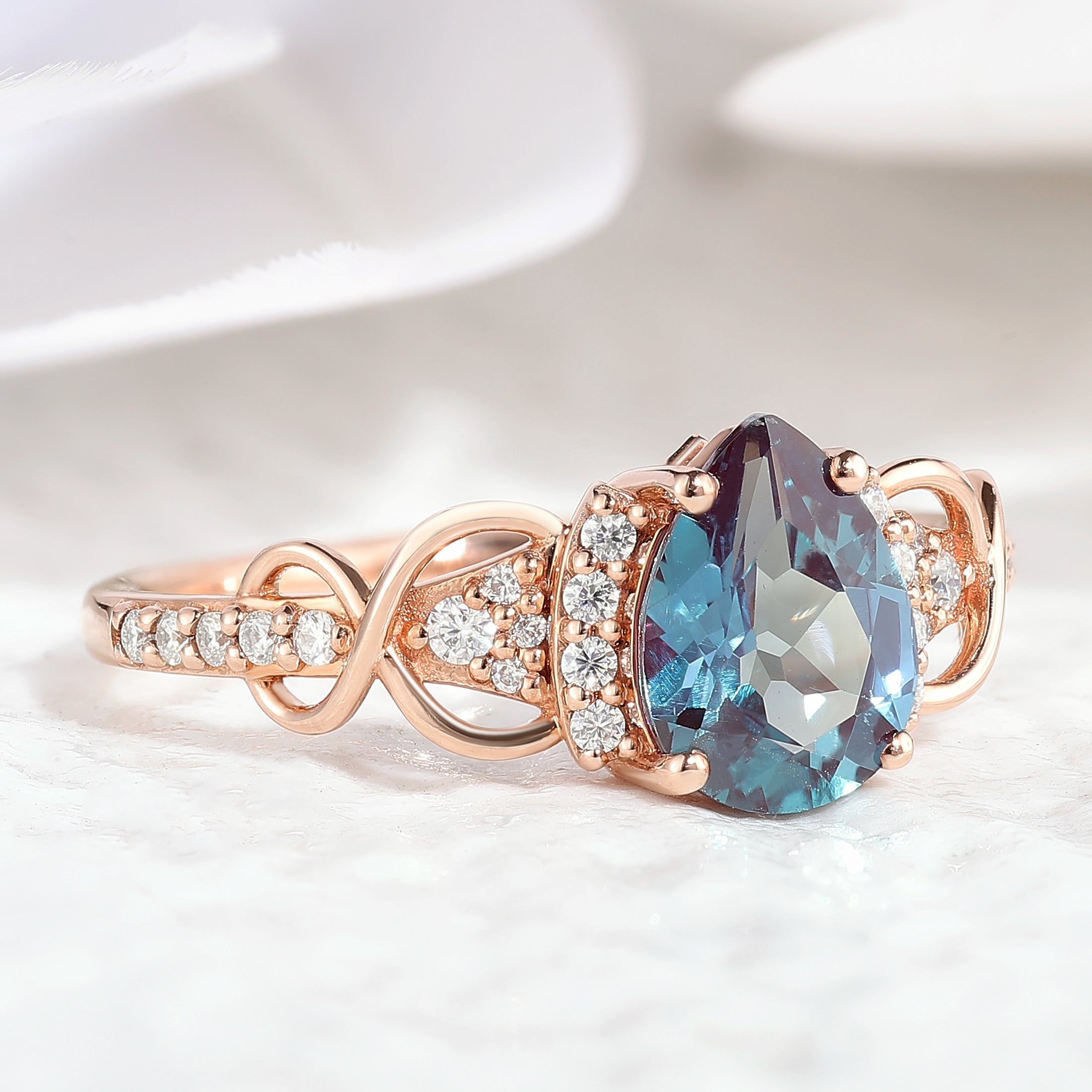
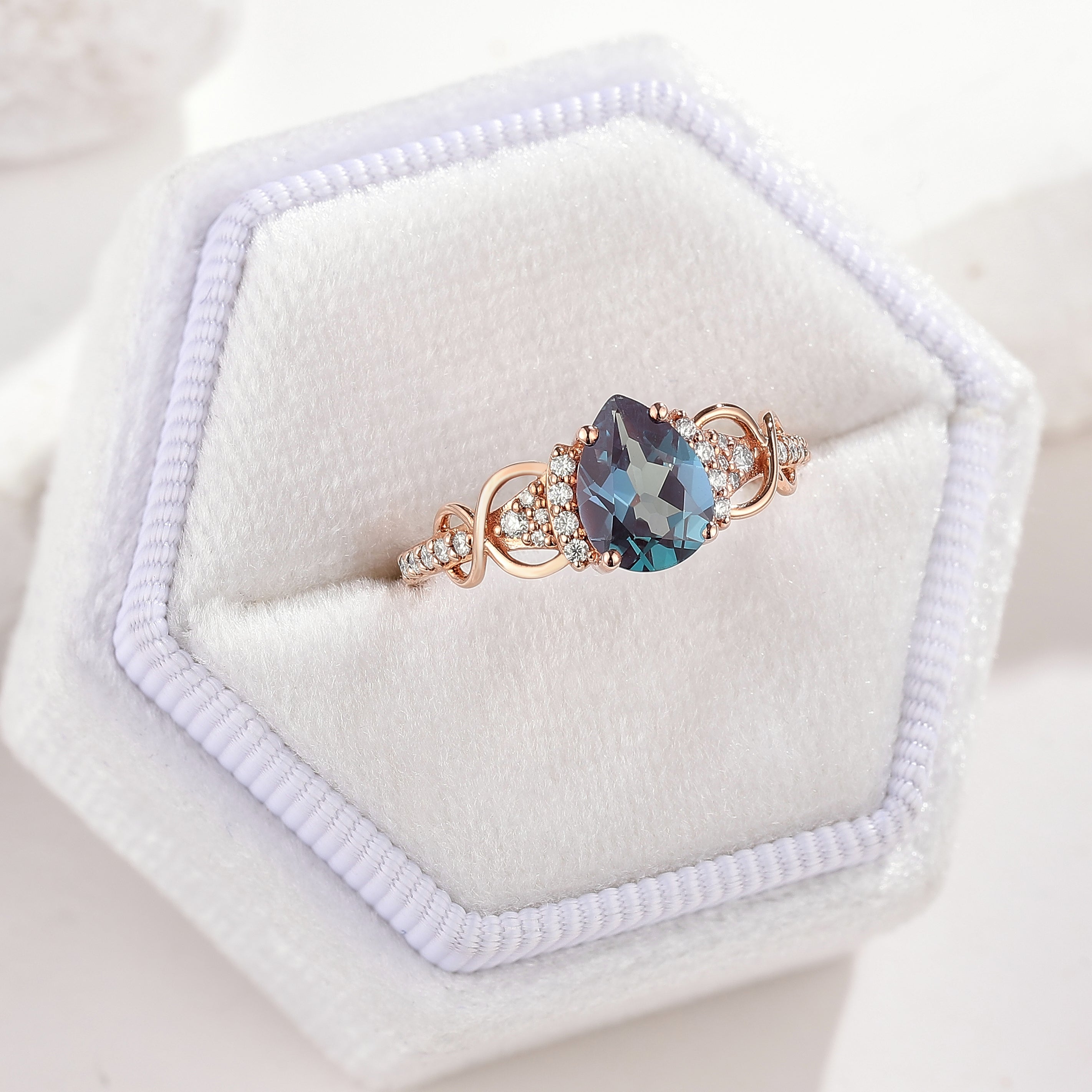
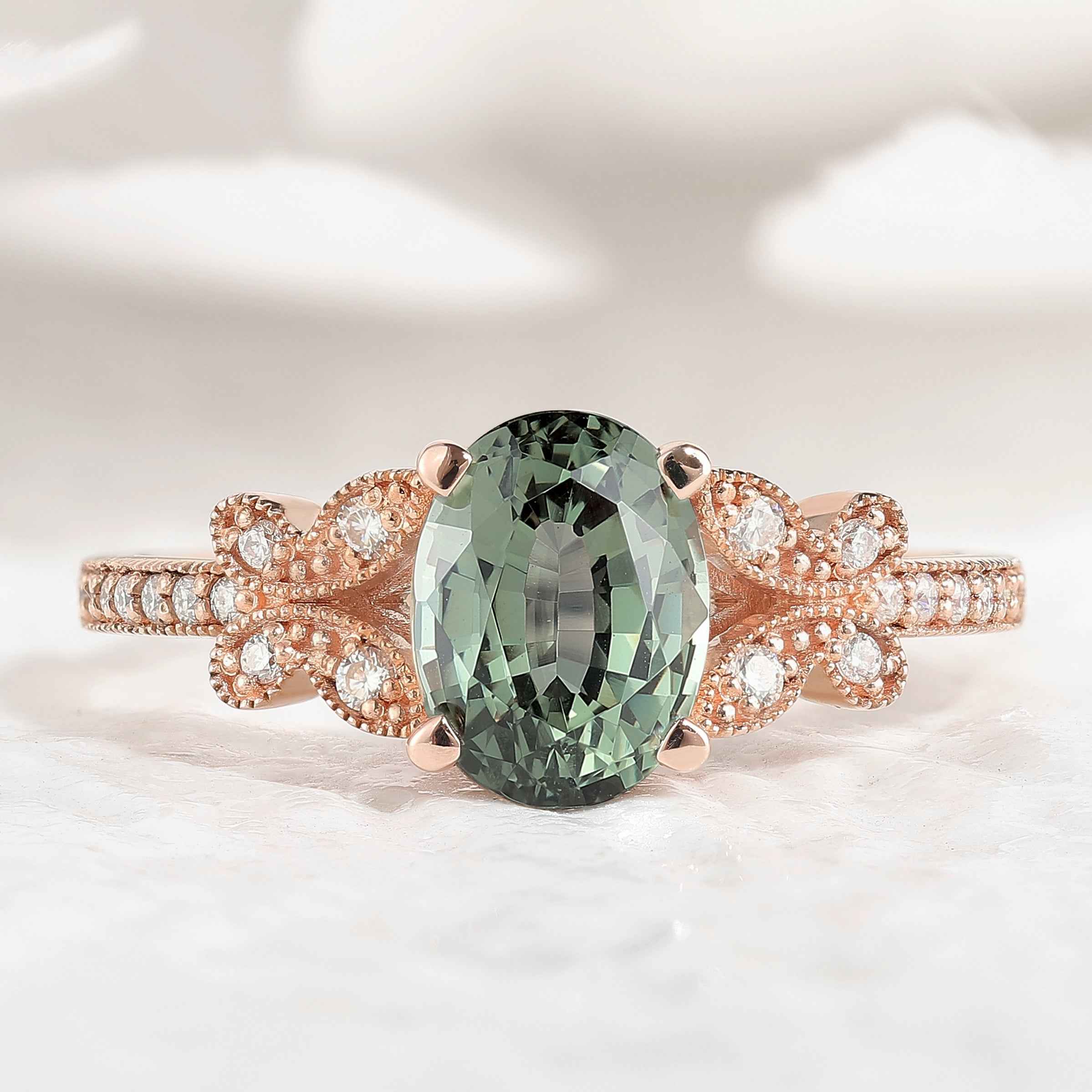
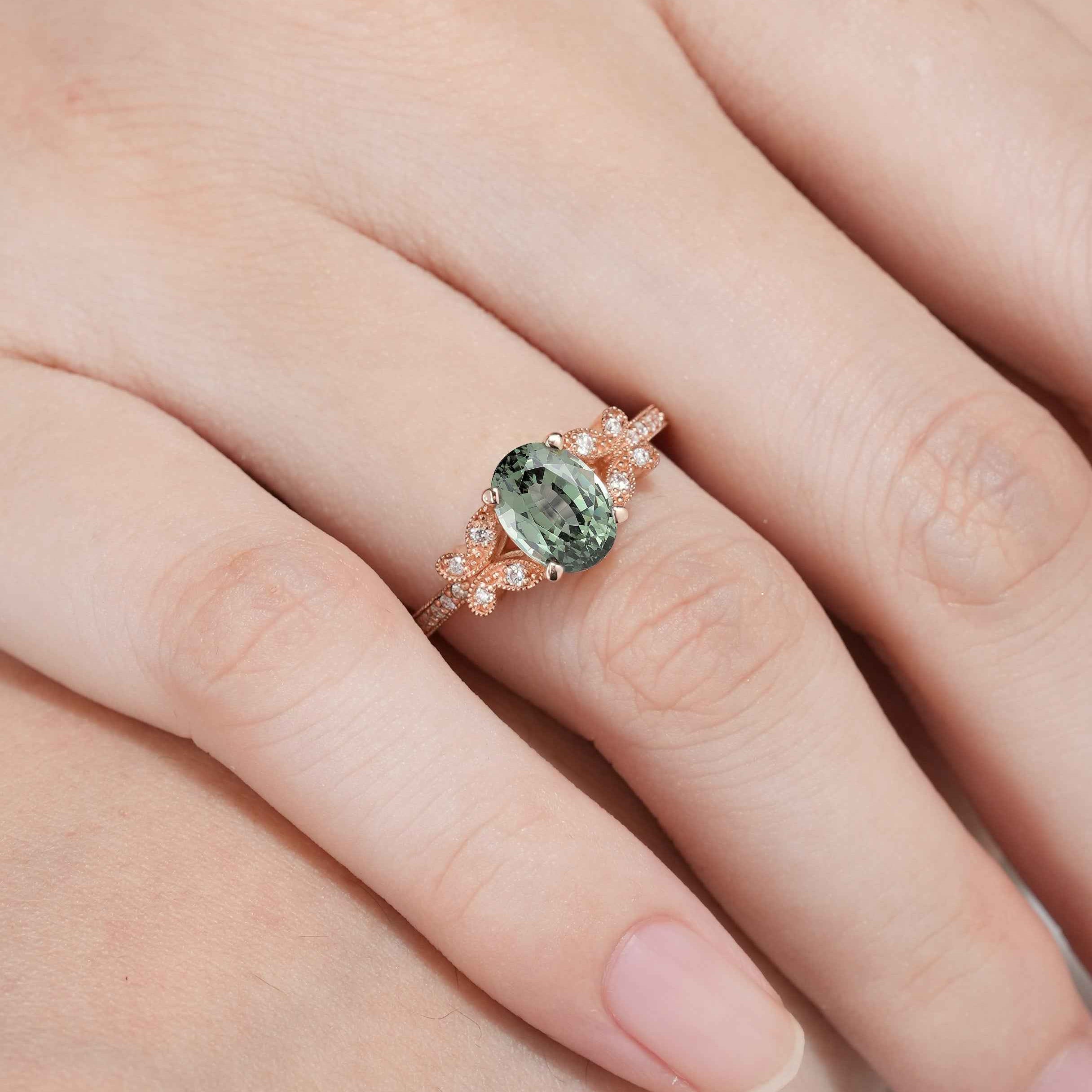
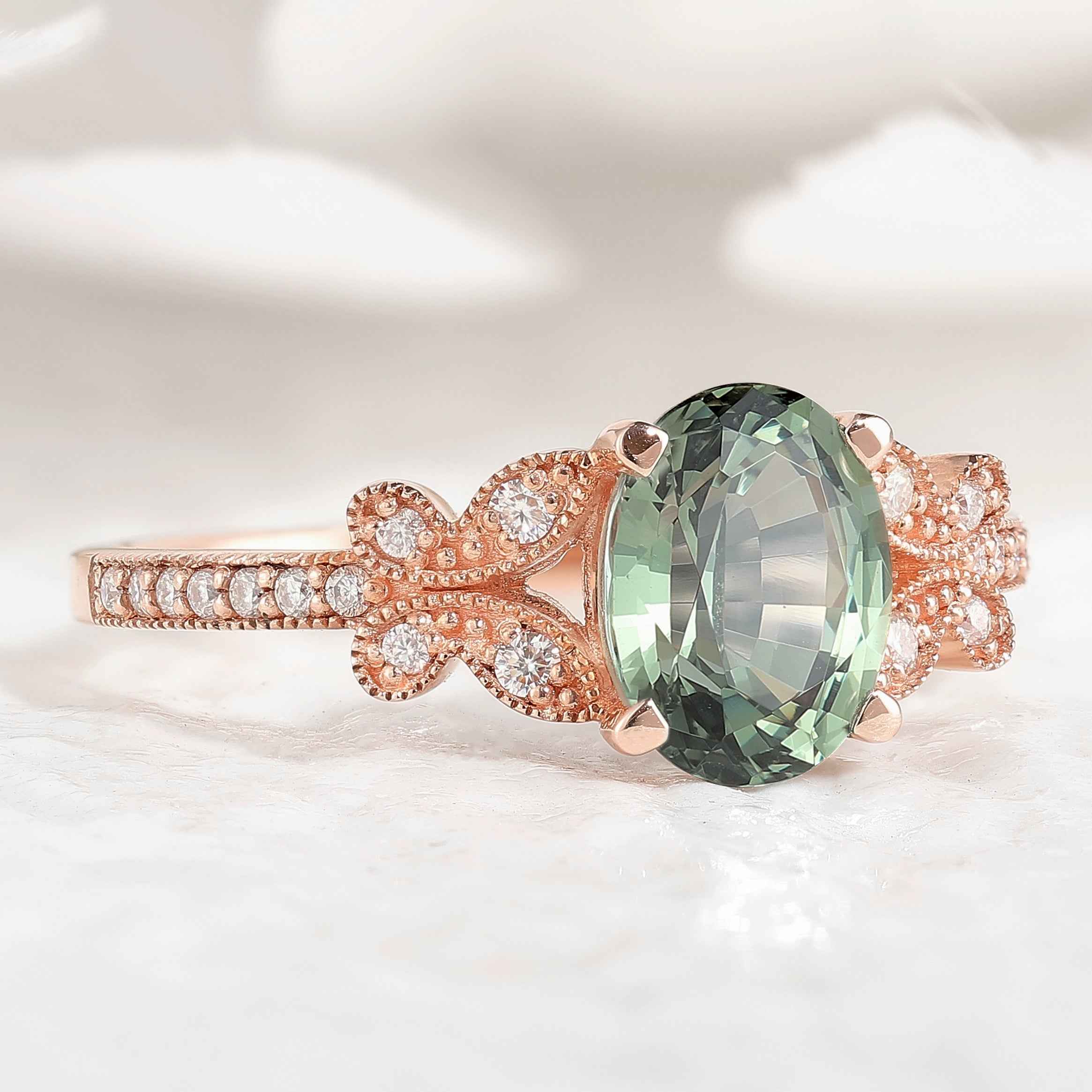
The charm of a pavé engagement ring lies in the smaller details. Closely set accent stones catch the light across the band, extending the sparkle beyond the center gemstone. This creates a sense of continuity between the main stone and the setting around it.
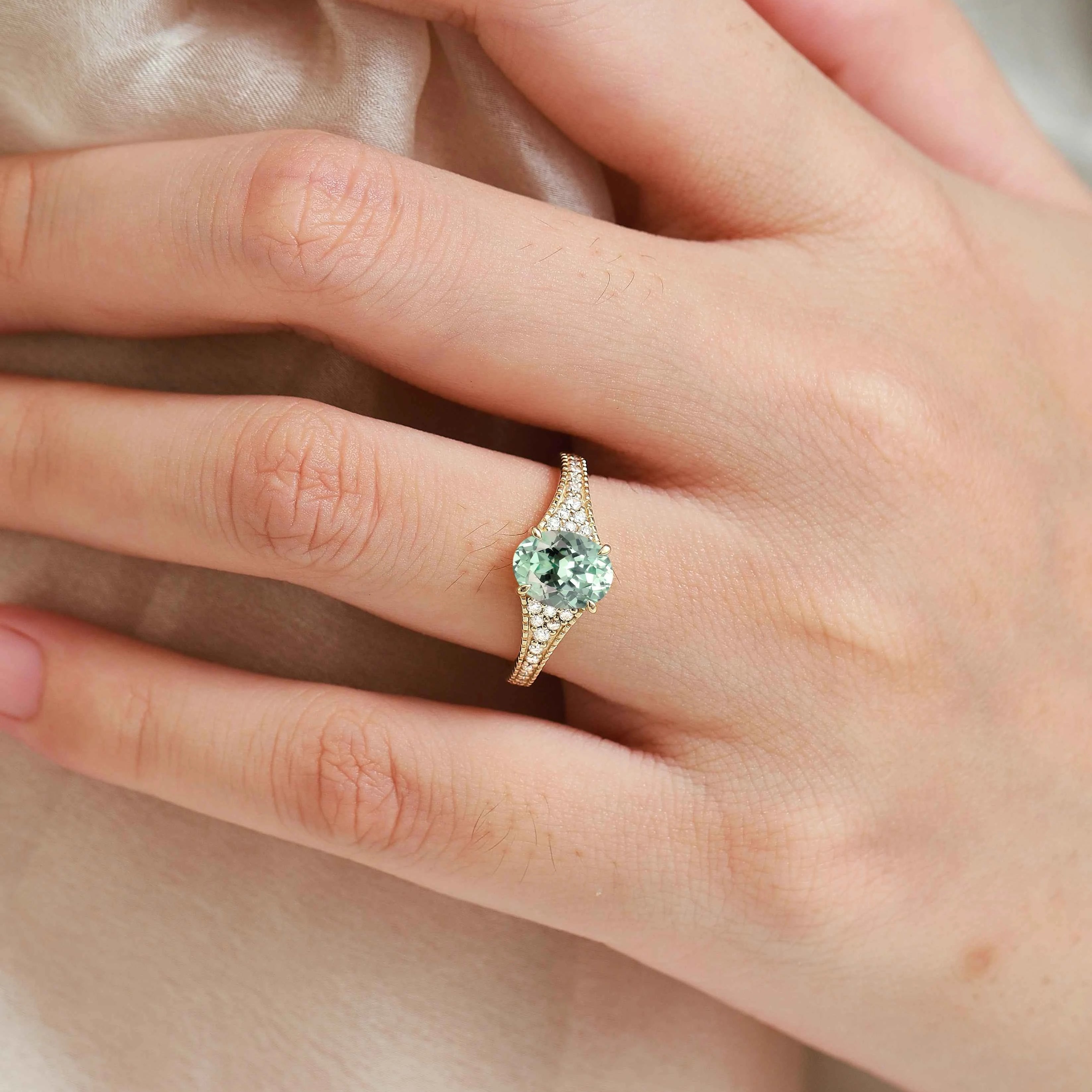
A pavé band can add brightness without relying on a larger center stone. It offers a beautiful balance for someone who enjoys delicate detail: the main gemstone remains the focal point, while the surrounding accents give the design another layer of interest.
Choosing Your Center Stone and Shape
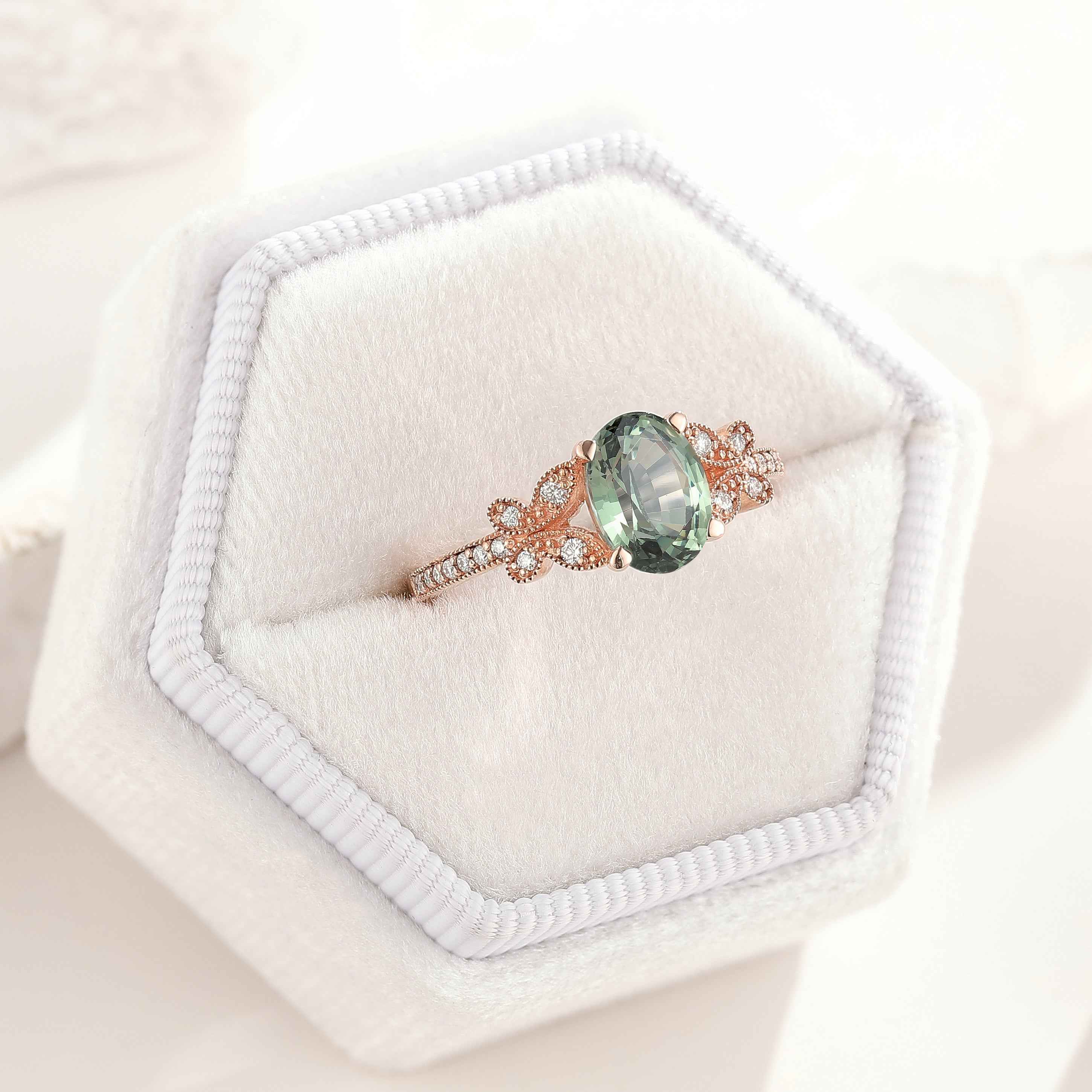
The center stone sets the mood of a pavé engagement ring. A colored gemstone creates contrast with bright accents, bringing its own personality to the design. A sapphire pavé engagement ring, for example, combines the appeal of a colored center stone with the finer sparkle of the band.
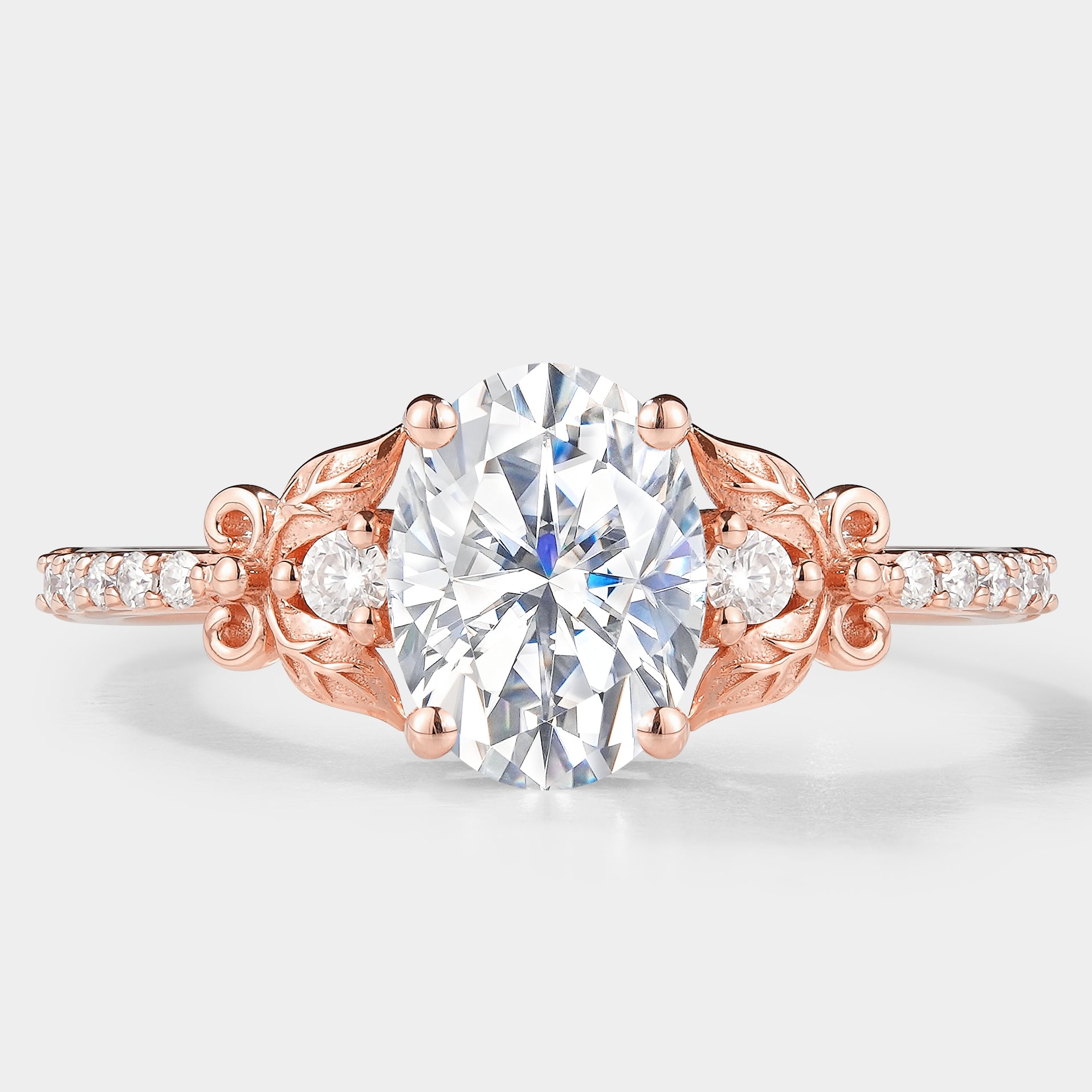
Shape adds another dimension. An oval pavé engagement ring offers softly rounded contours and an elongated silhouette. Consider the stone’s width and length alongside the band’s proportions, whether you prefer a prominent center stone or a more delicate overall appearance.
Vintage Details and Your Choice of Gold
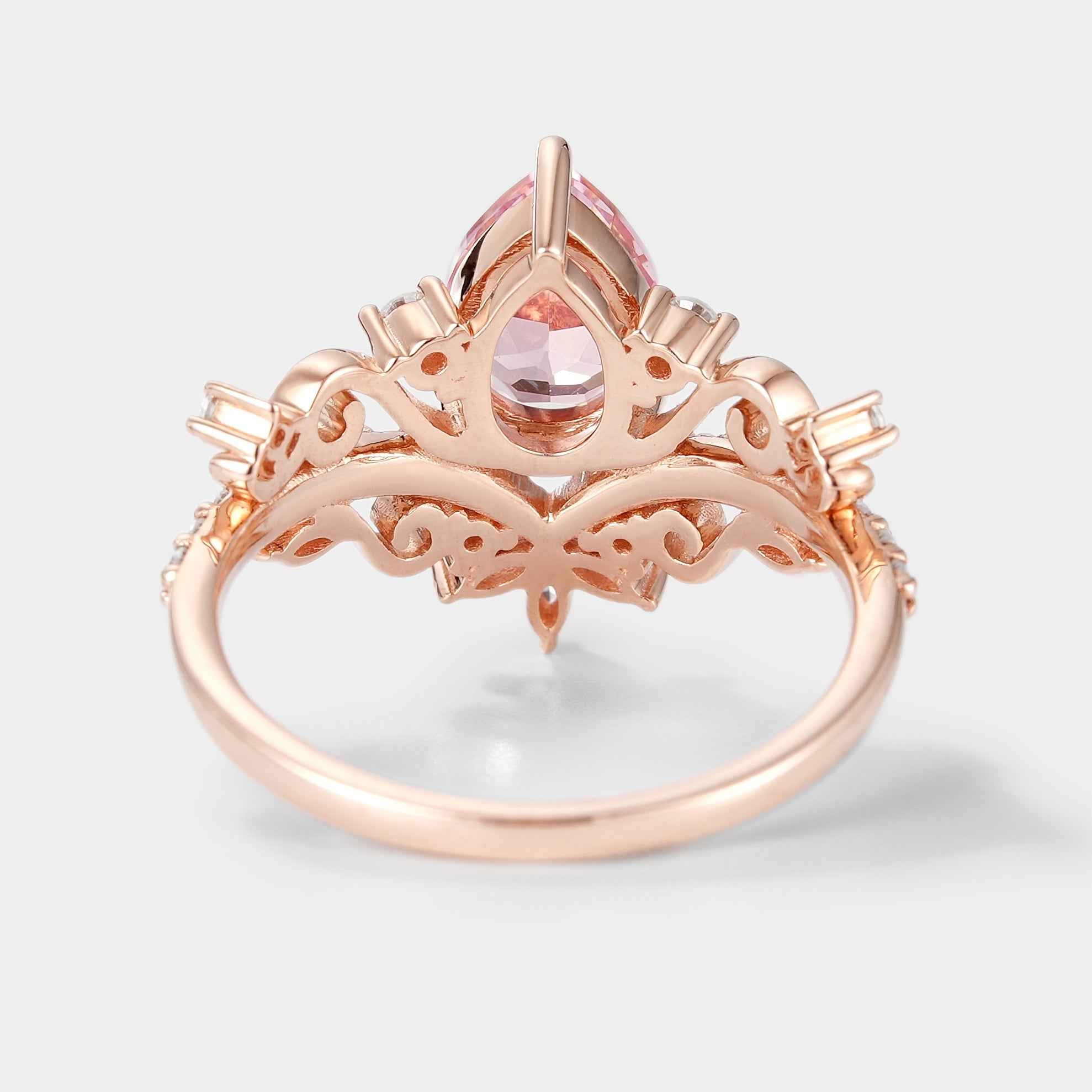
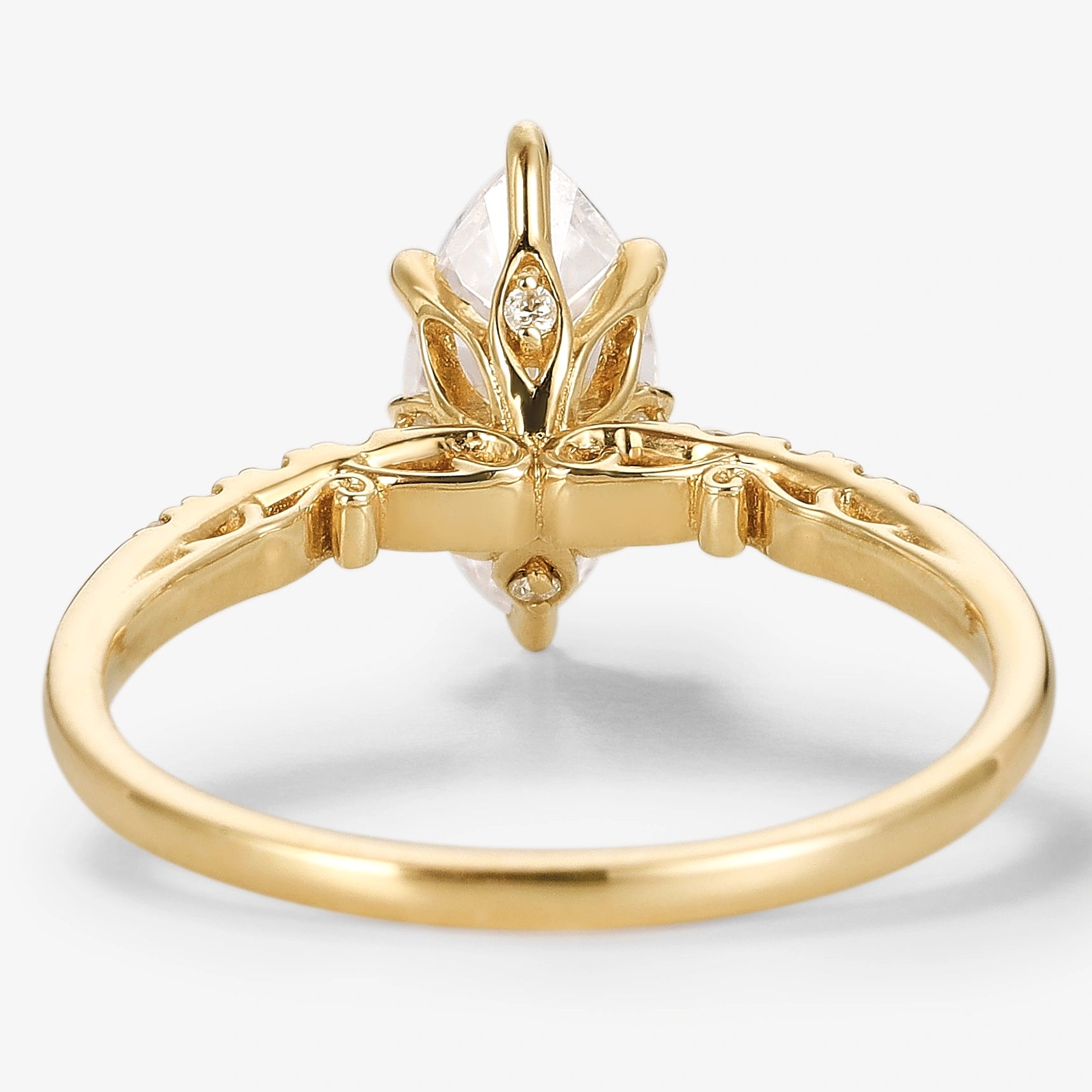
Vintage-inspired pavé engagement rings combine decorative metalwork with the shimmer of closely set stones. The balance matters: subtle accents can complement an intricate setting, allowing the different details to feel connected rather than compete for attention.
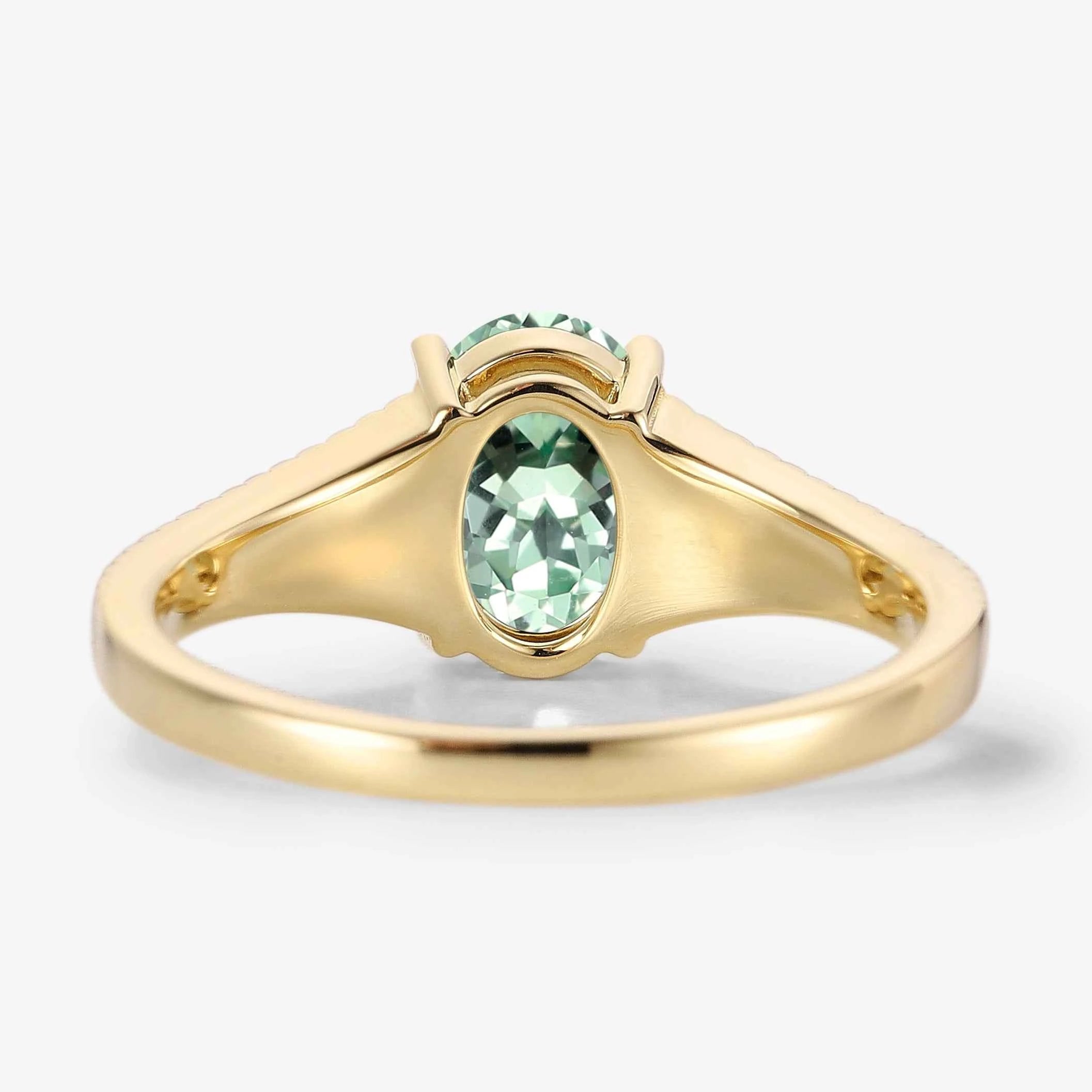
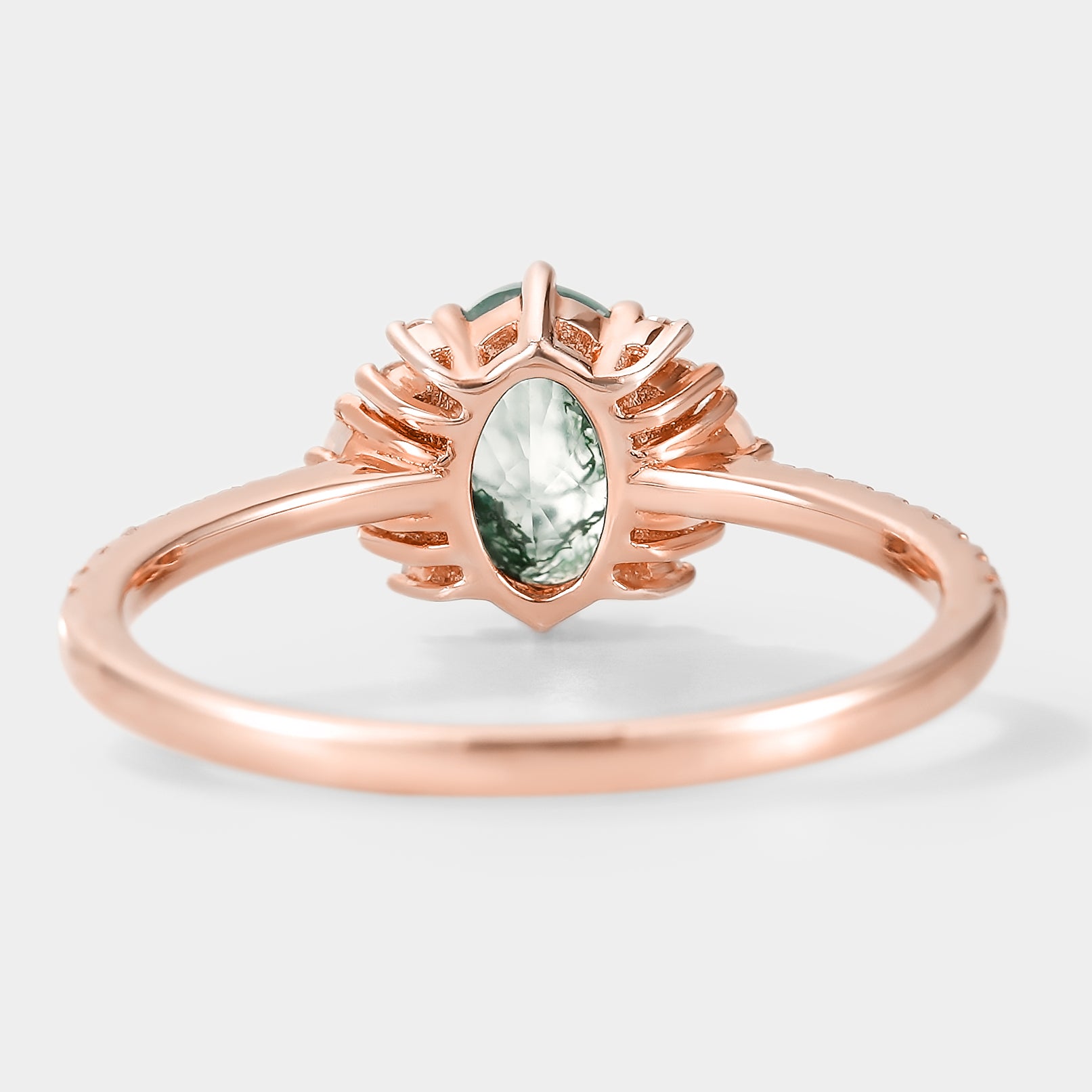
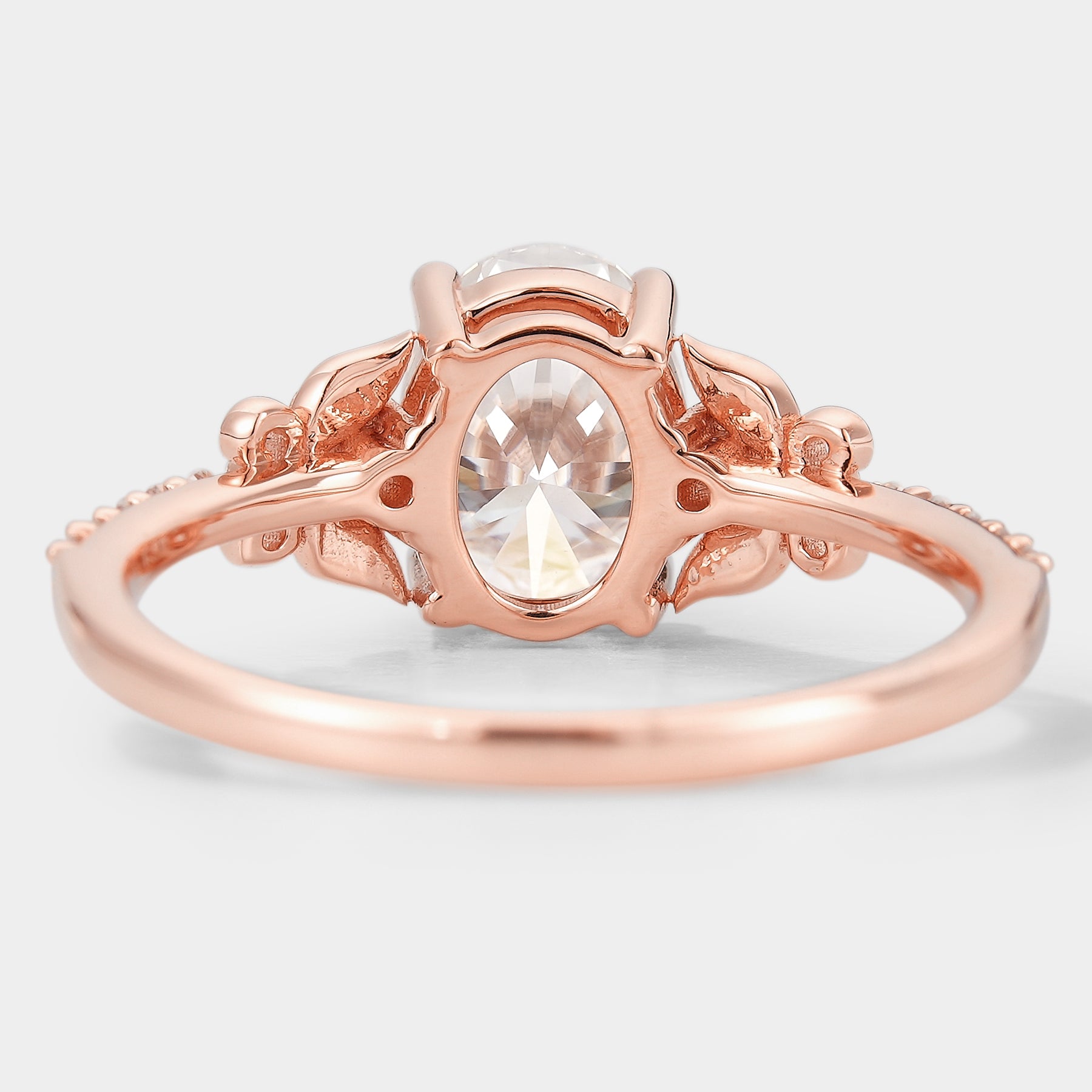
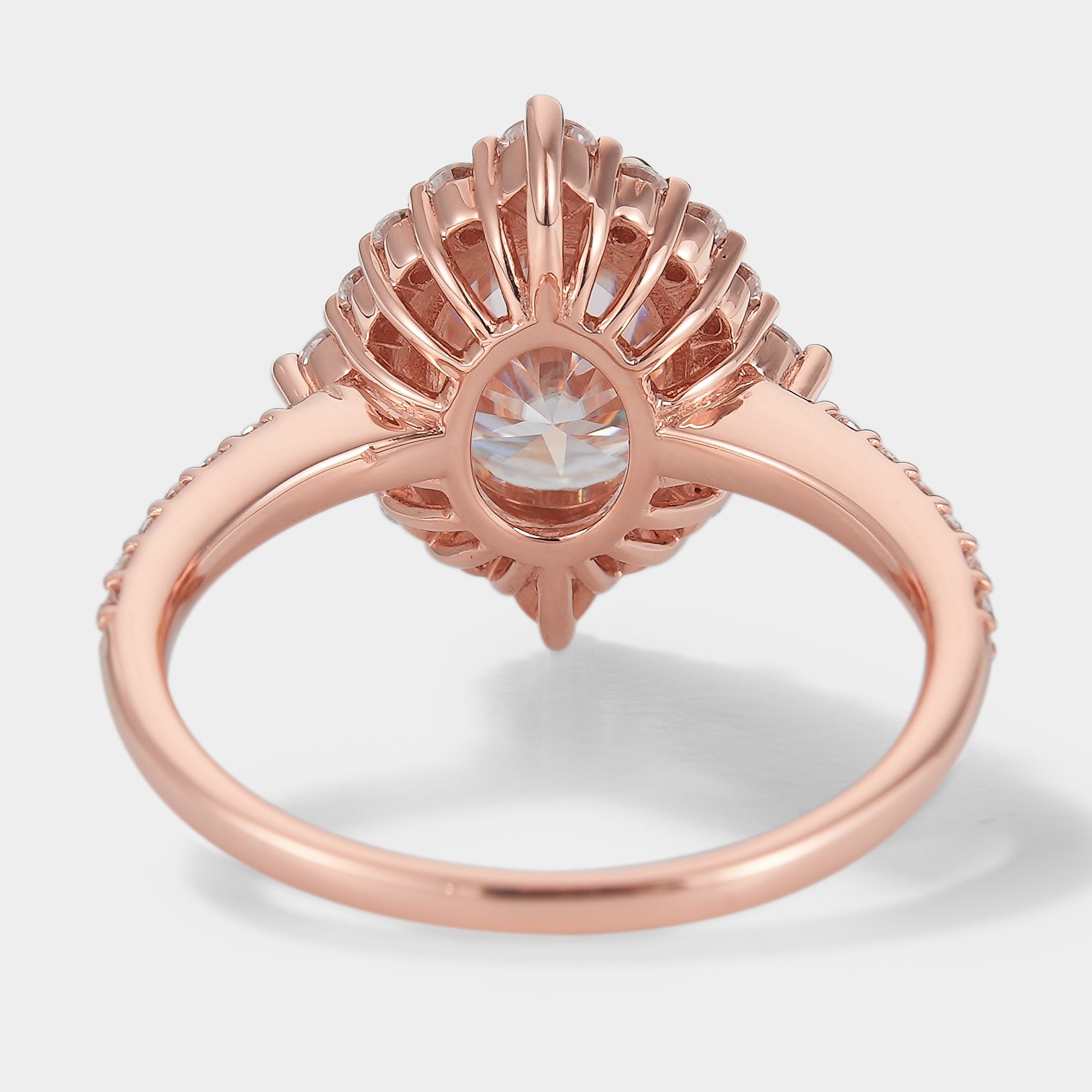
In vintage bezel engagement rings, a metal rim frames the center gemstone. When paired with a pavé band, that defined outline contrasts with the smaller points of light along the finger—a combination featured in selected Lahela designs.
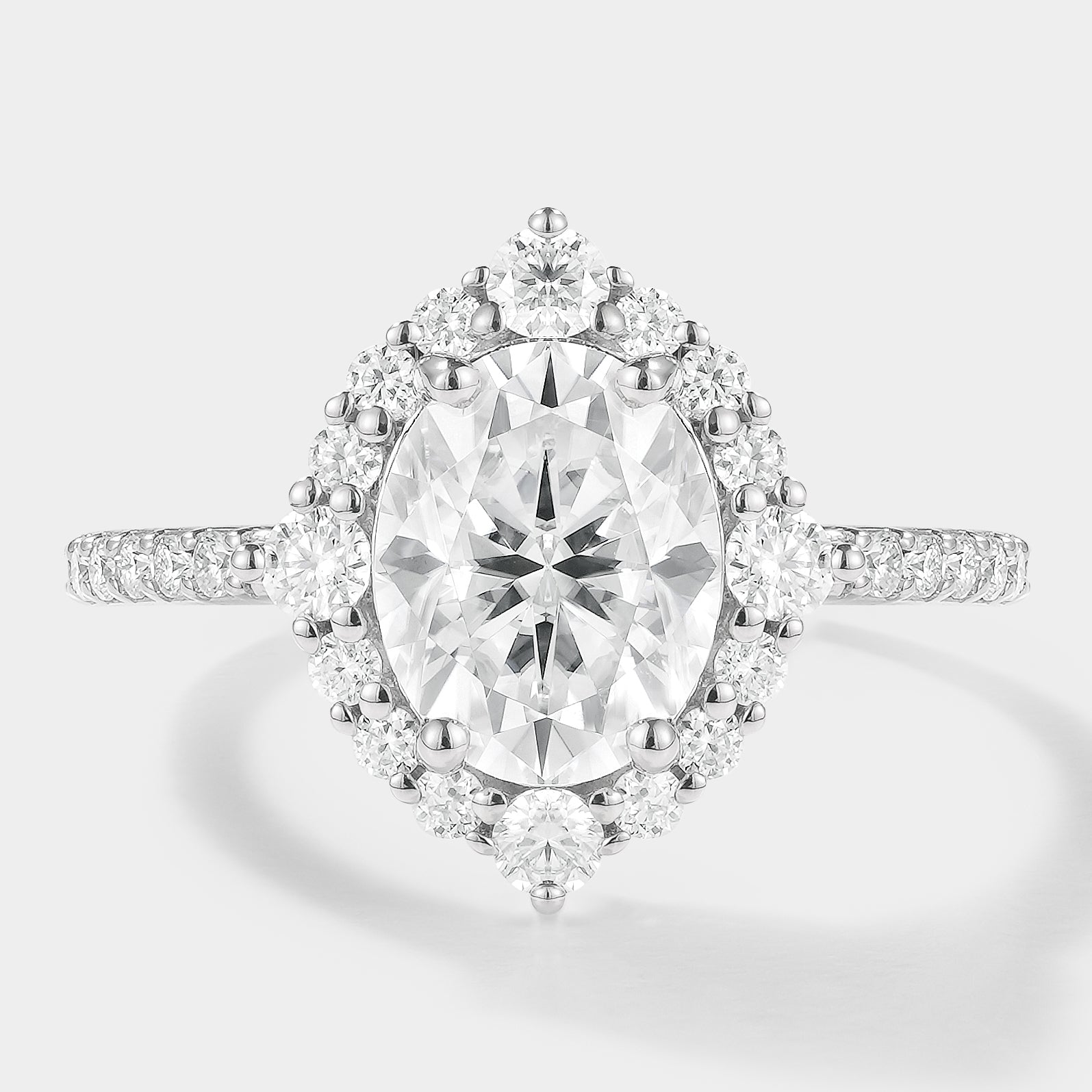
Gold color adds the finishing touch. Yellow gold brings warmth, white gold creates a cooler backdrop, and rose gold introduces a soft blush. Compare the available options for your chosen ring to see which best complements the gemstone and your personal style.
Pavé Engagement Rings FAQ
What is a pavé engagement ring?
A pavé engagement ring features small gemstones set closely together to create a sparkling surface, often along the band. The word “pavé” comes from the French word for “paved.” It describes a setting technique rather than a gemstone type or center-stone shape.
Are the accent stones in pavé rings always diamonds?
No. Pavé describes how small stones are set, not their material. Accent stones may be diamonds, moissanite, or other gemstones. Check the individual product description for the materials used in your chosen ring.
What is the difference between pavé and halo settings?
Pavé describes a technique for setting small stones closely together, while a halo describes an arrangement of stones surrounding a center gemstone. A halo may use pavé-set stones, and a ring can have both a halo and a pavé band.
Can you wear a pavé engagement ring every day?
A pavé engagement ring can be suitable for regular wear, depending on its gemstones, construction, and your activities. The small accent stones and their settings need protection from knocks and abrasion. Remove the ring before heavy manual work. Regular checks can help identify loose stones or worn settings before further damage occurs.
How do you clean a pavé engagement ring?
How do you clean a pavé engagement ring?
Clean a pavé engagement ring according to the care requirements of all its gemstones and metals. A method suitable for one center stone may not be suitable for another. Follow the product’s care instructions, avoid abrasive cleaners, and confirm whether ultrasonic or steam cleaning is safe for the specific design.